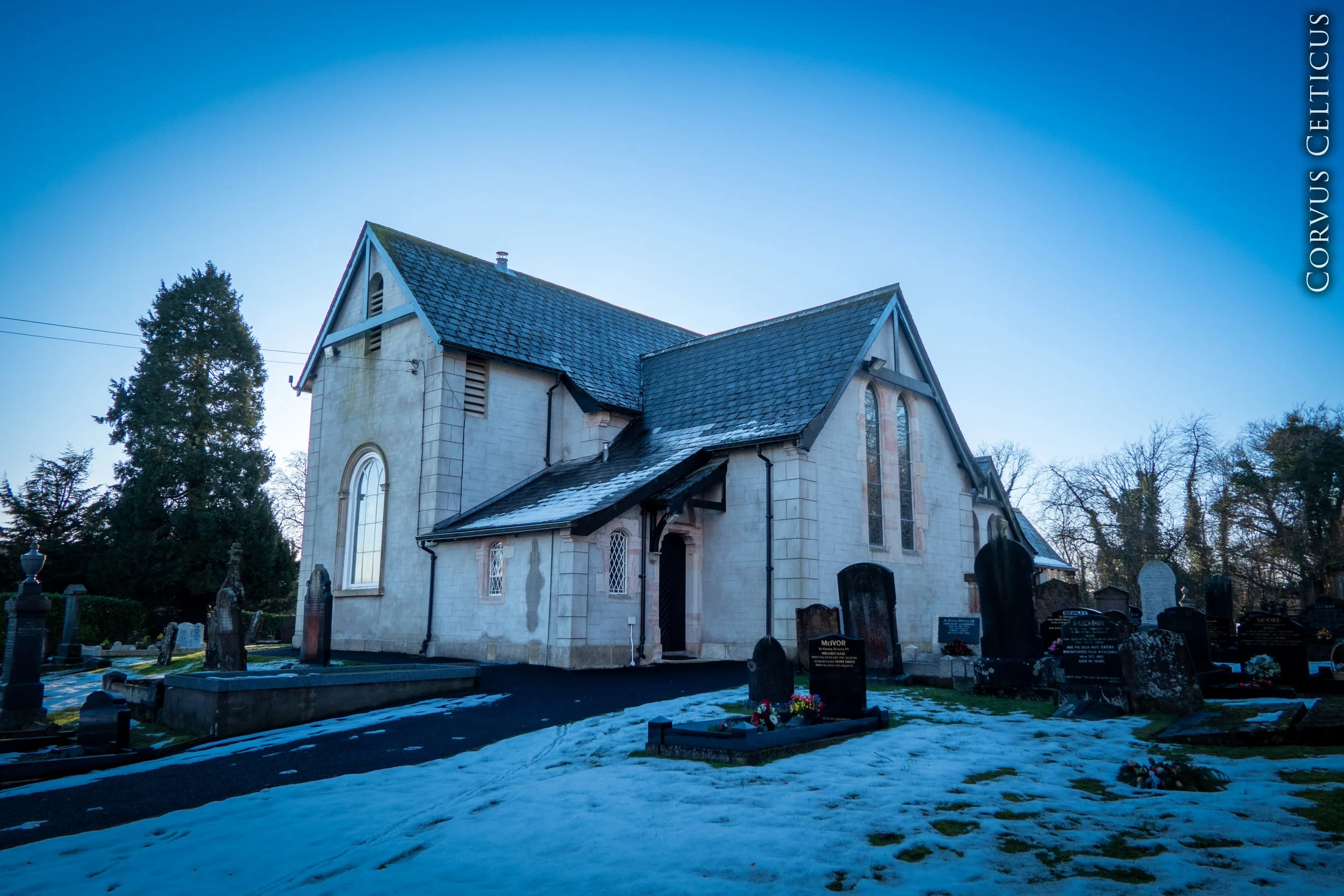
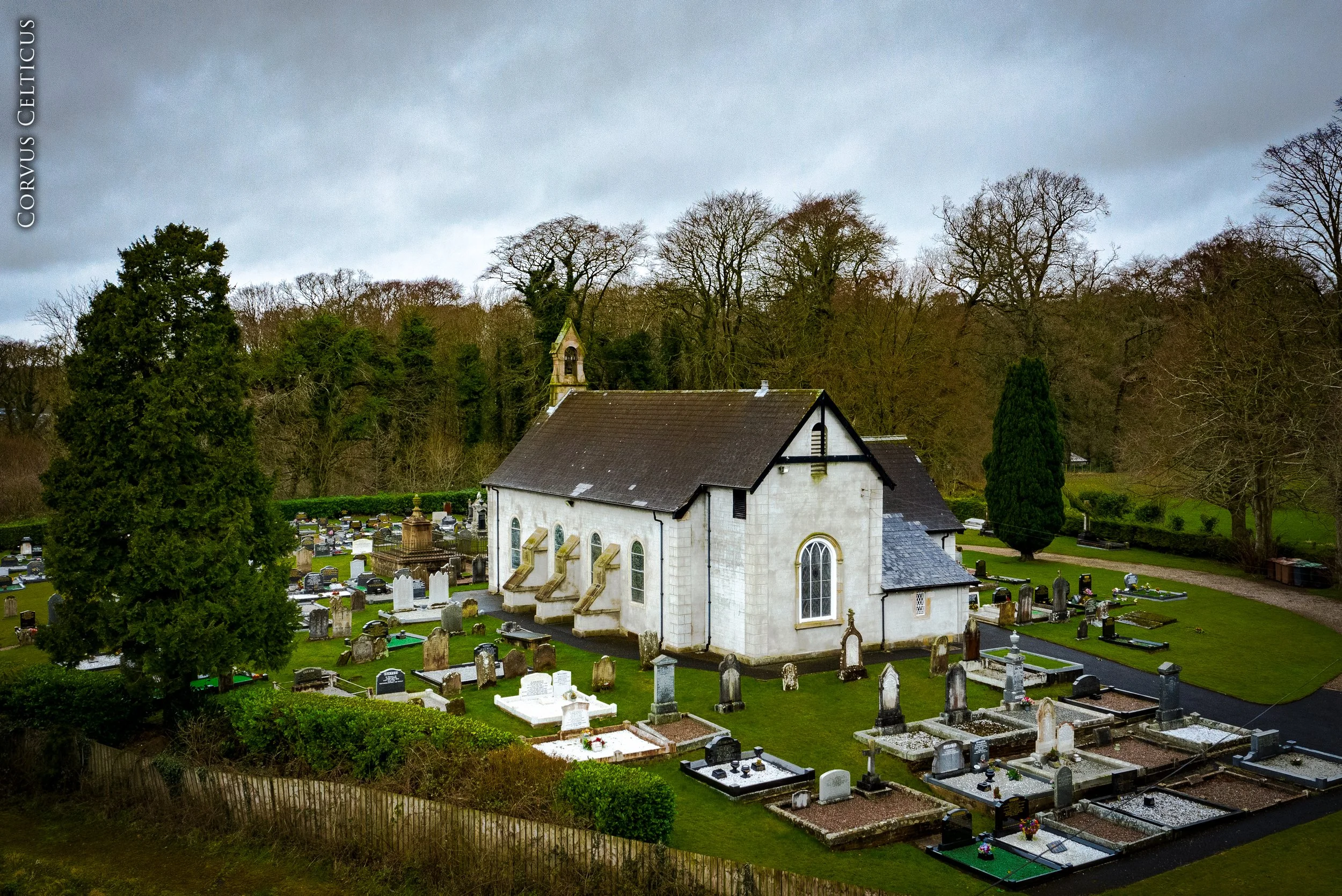
Christ Church Castledawson - quiet beauty between the Moyola and the woods
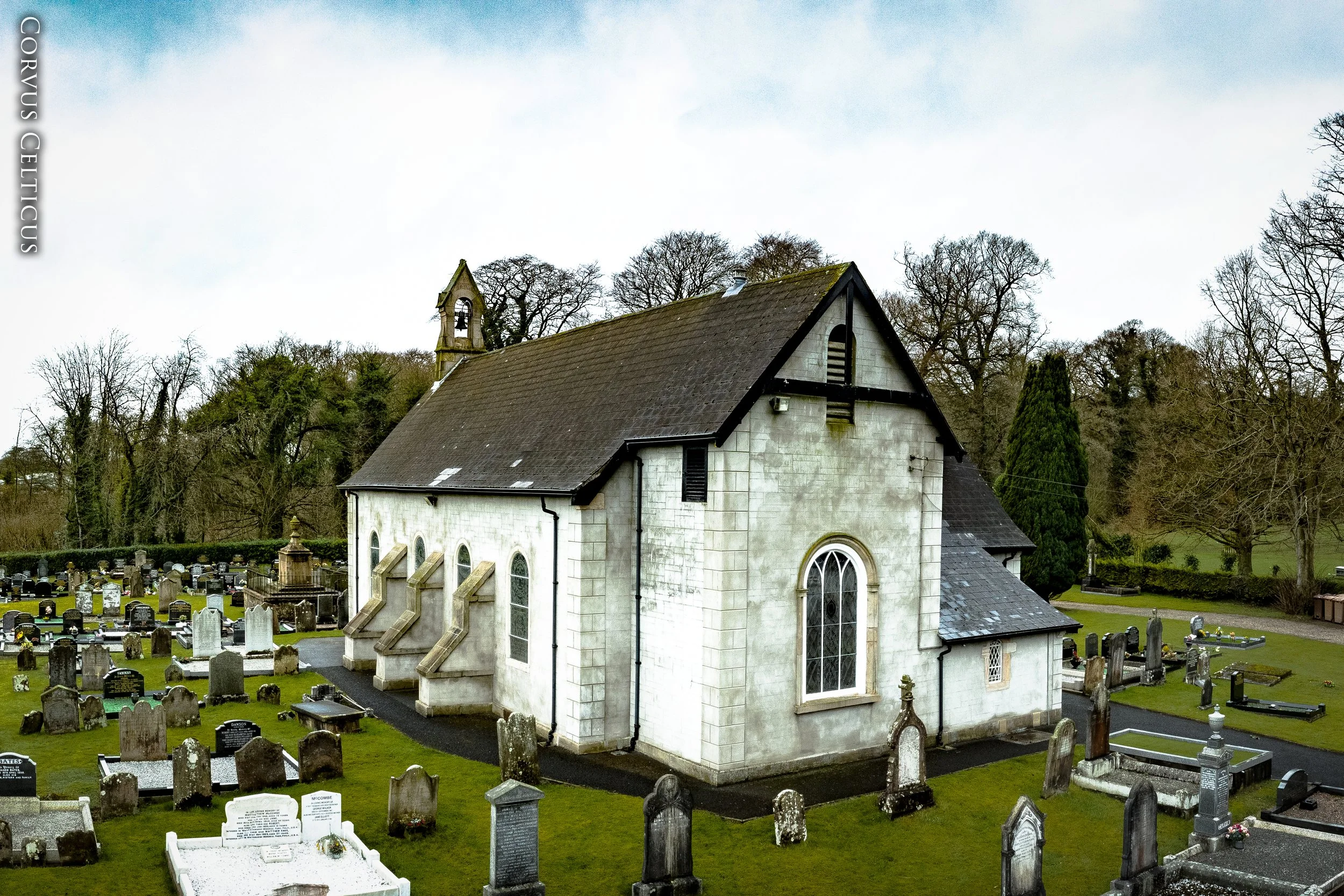
Christ Church in Castledawson is one of those places that has slowly worked its way under my skin. At first, it may seem like just another quiet village churchyard, peaceful and unassuming, but the more time I spend here, the more I find a little more peace, a little more meaning, and a little more beauty waiting for me.
In reality, this small churchyard has become part of my own story.
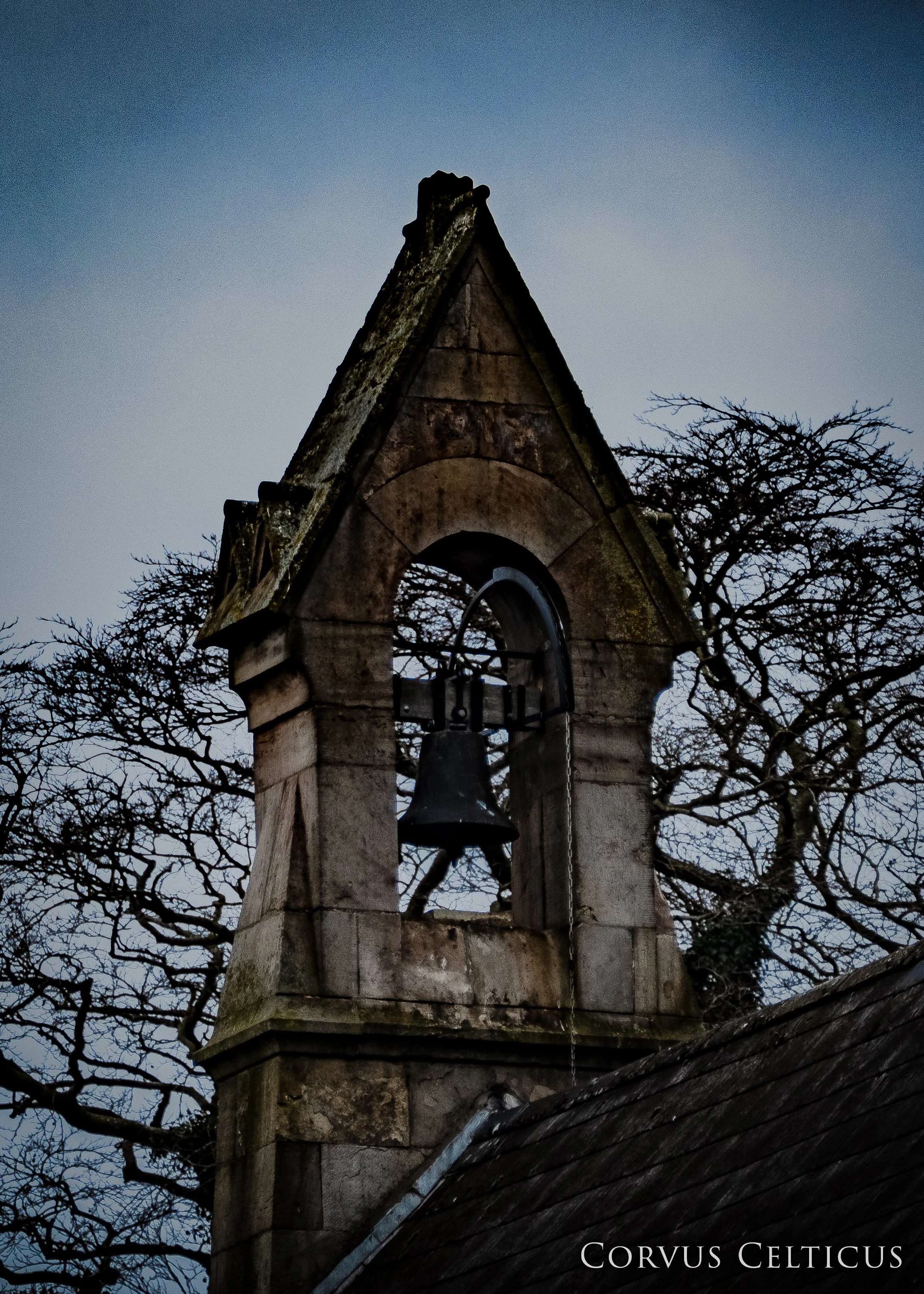
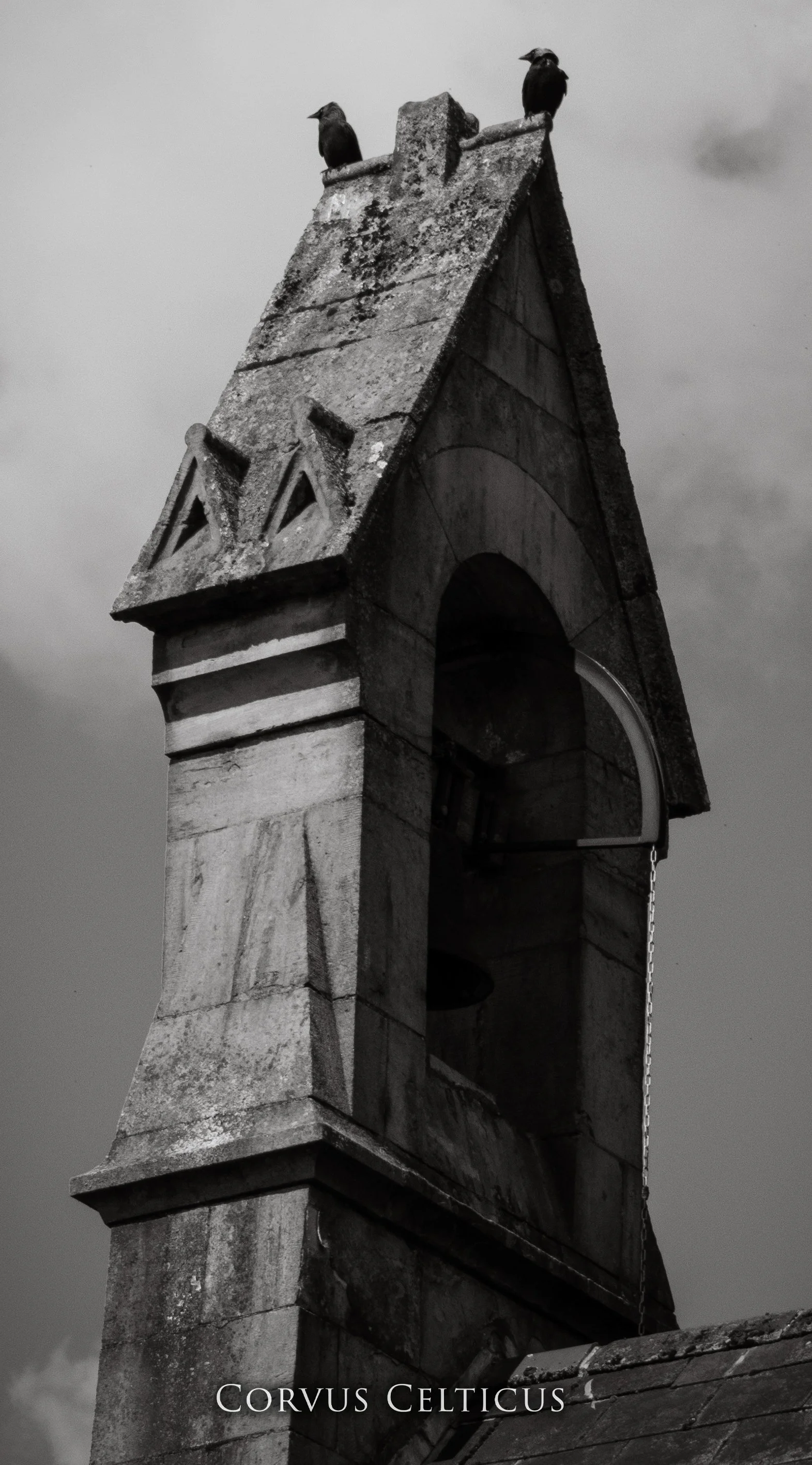
And then there is the church bell. It gives the whole village that beautiful old church feeling, and has the sort of sound that belongs to the place as much as the trees, the stones, the river. Whether you are standing in the churchyard itself or hearing it from somewhere else in Castledawson, it is always a pleasure.
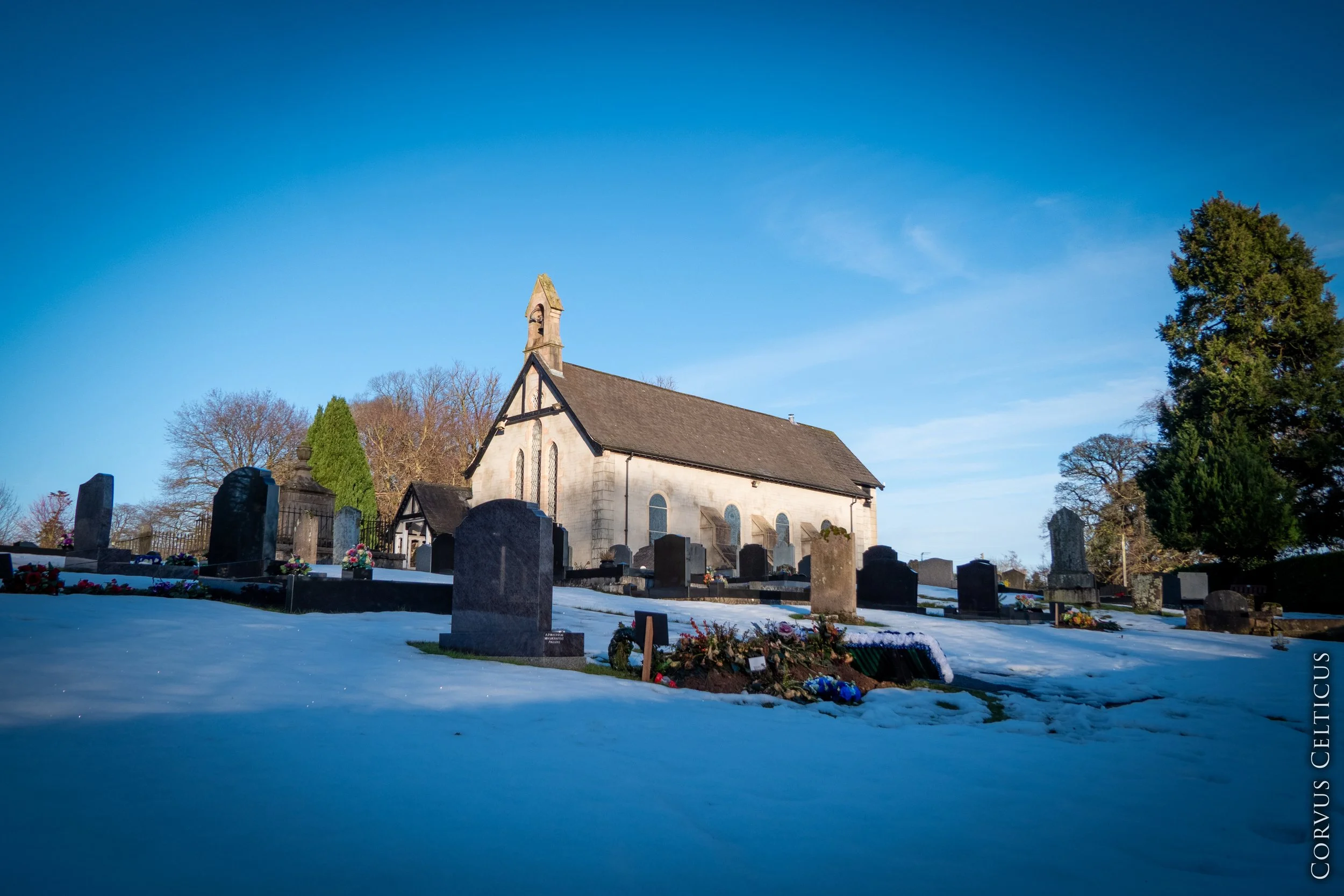
I have visited this beautiful churchyard many times over the years, most recently while planning my video on why people in Northern Ireland call the police “Peelers.” In fact, I had been sitting on that story for a long time. That probably shows in the video itself, where the footage jumps through different seasons, different weather, and even onto beautiful snowy mornings!
But sometimes a story sits in the notebook until something gives it a final push.
For me, that push was Stephen Nolan’s BBC series Peelers: The PSNI for Real. Once that title, (and social media clips of Jackie!) started appearing everywhere, it felt like the right time to finally tell the story behind the word, and the connection with this village.
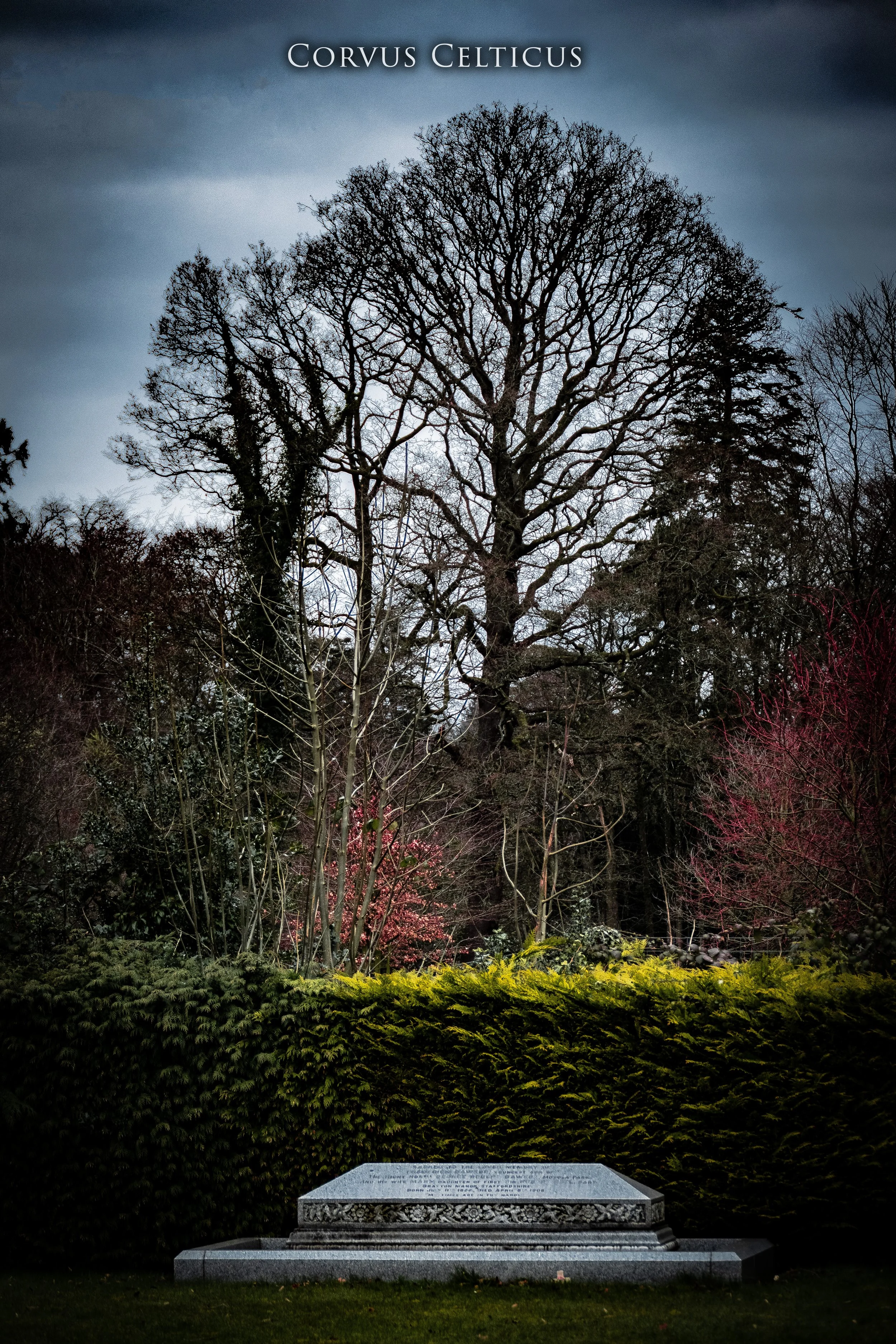
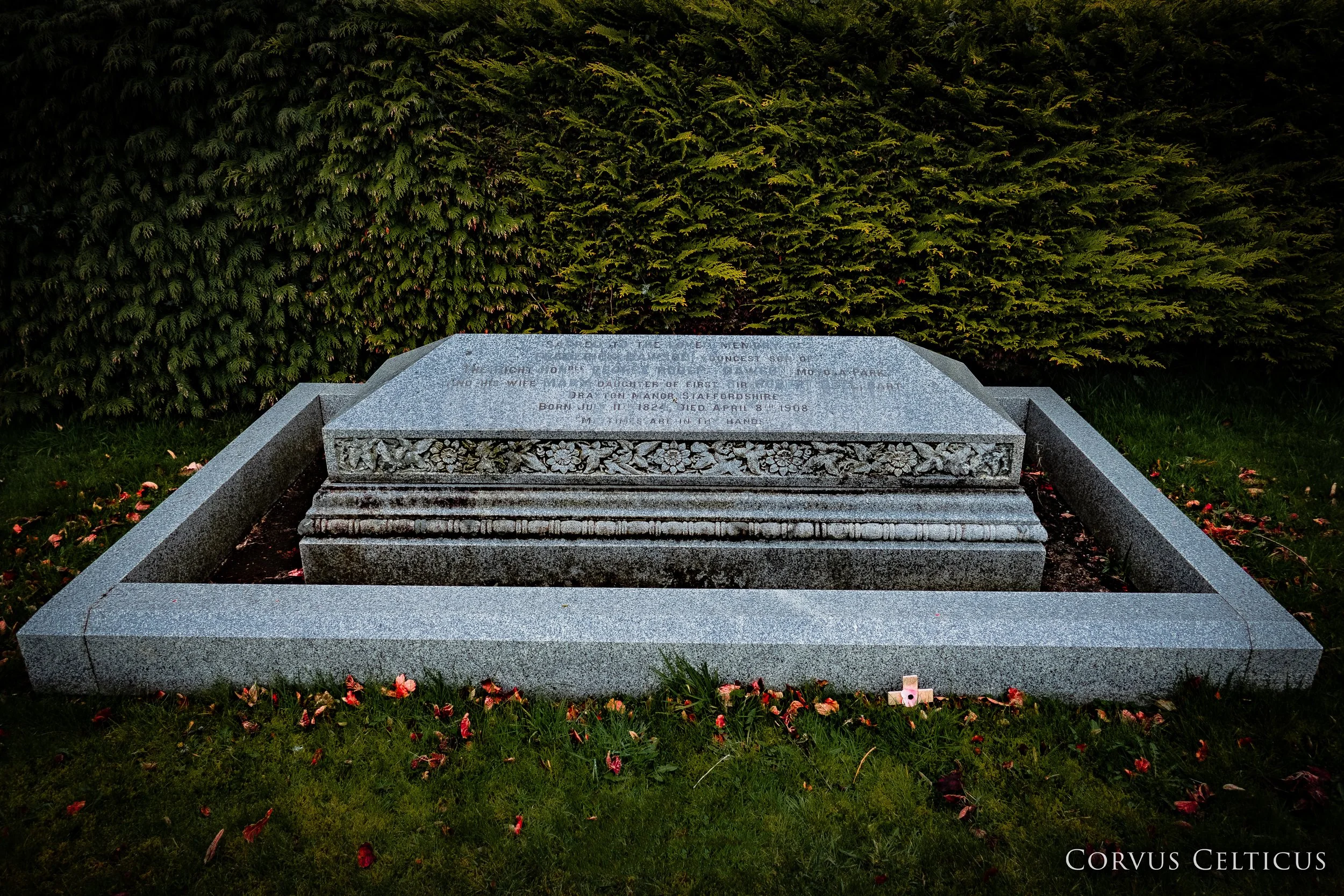
There is a very strong connection here, through the Dawson family, Robert Peel, and an ornate grave resting in this churchyard. The wider story of “Peelers” belongs to policing reform, Ireland, London, and the name of Sir Robert Peel. But Christ Church is much more than a footnote in a policing story. The Peelers connection may have brought some of my footage to social media, but it is not the reason this place stays with me.
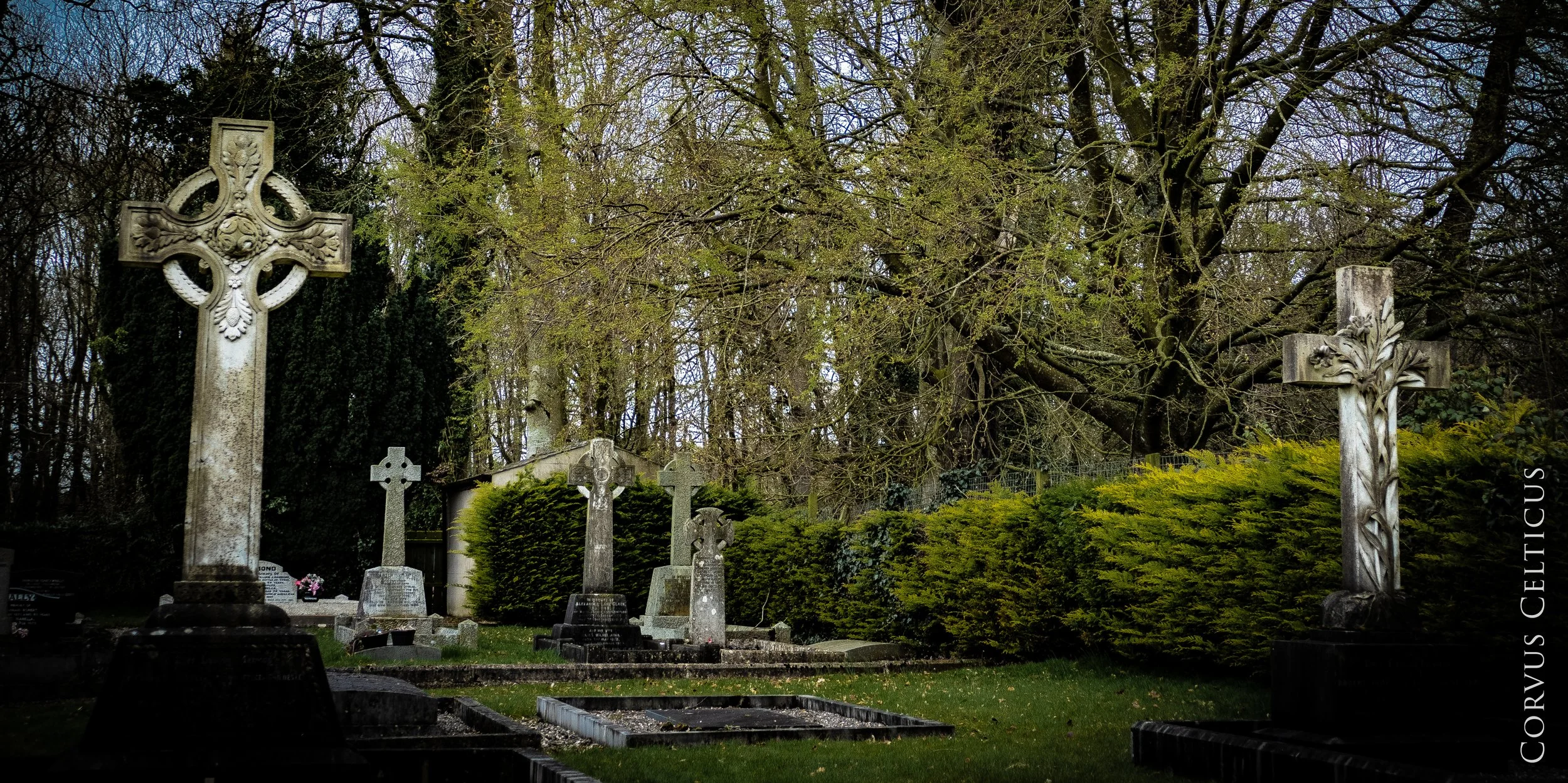
The Celtic Crosses
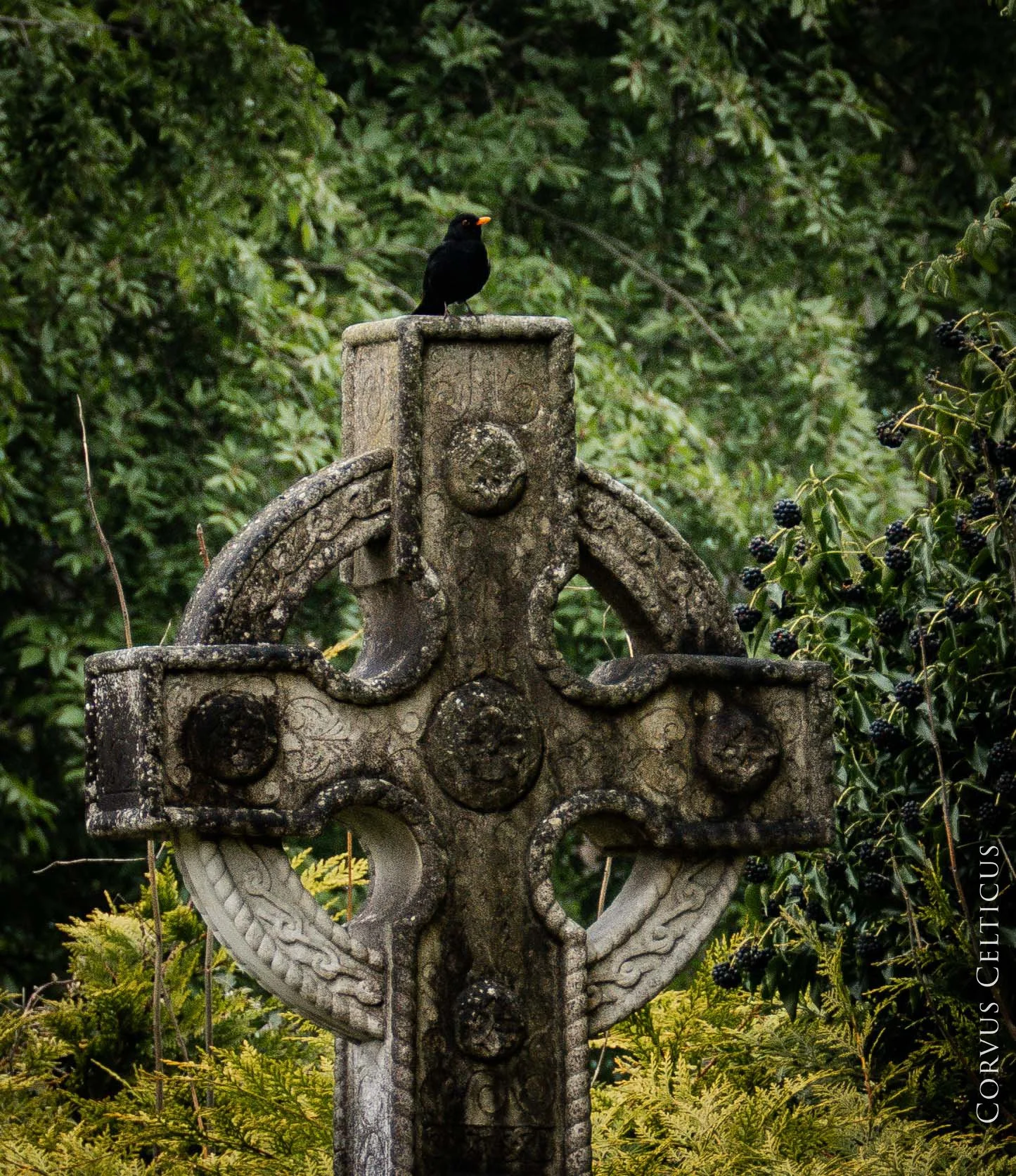
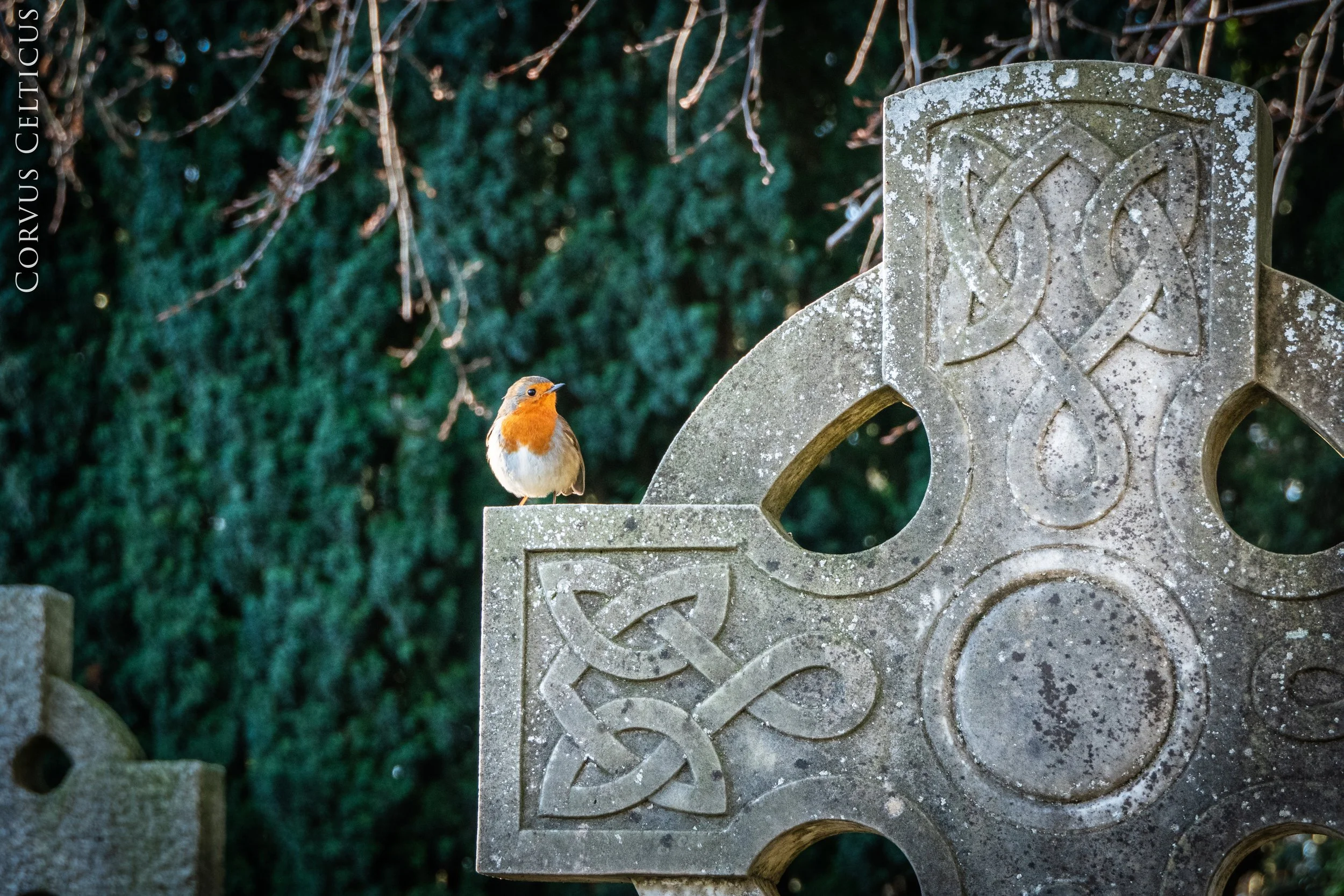
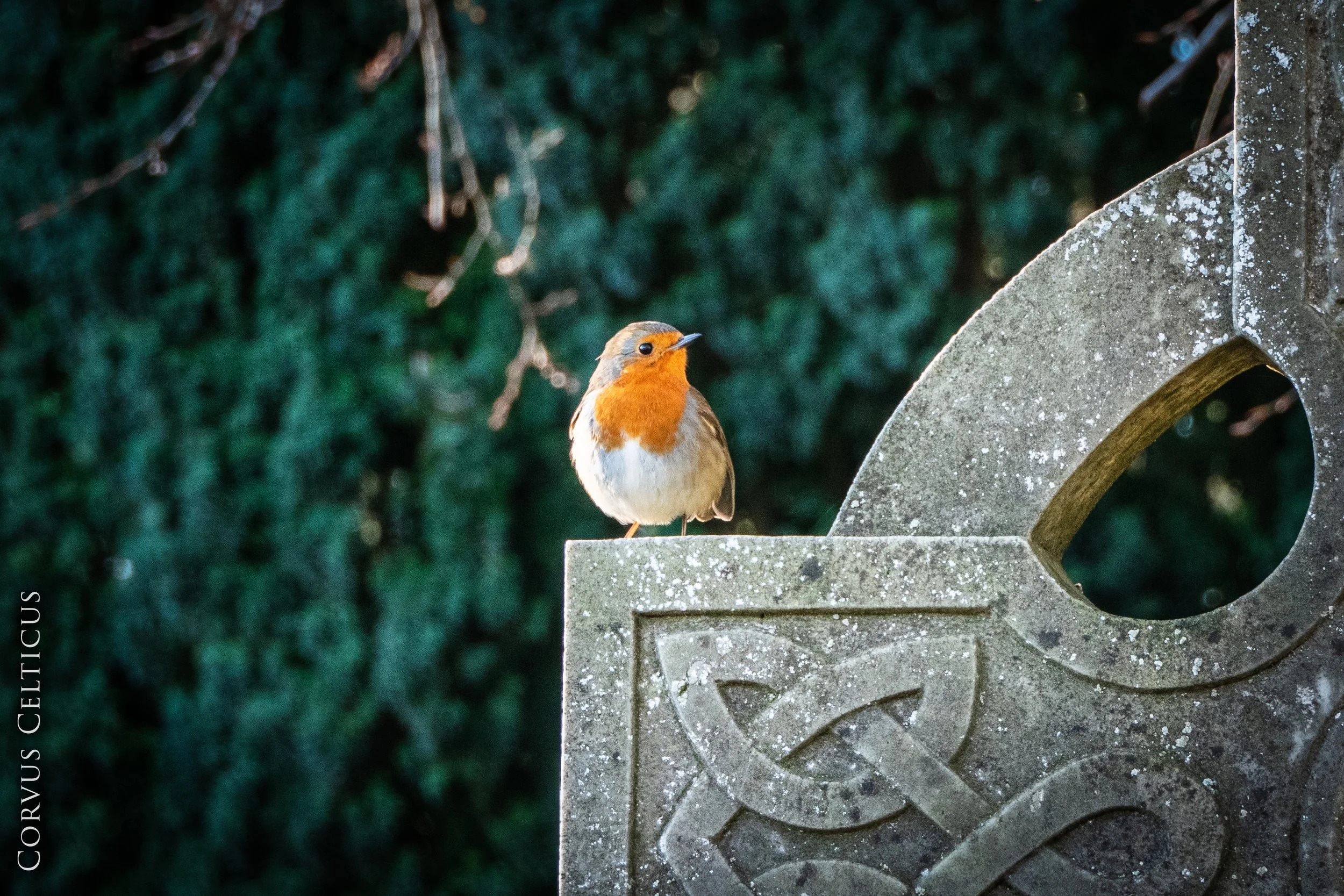
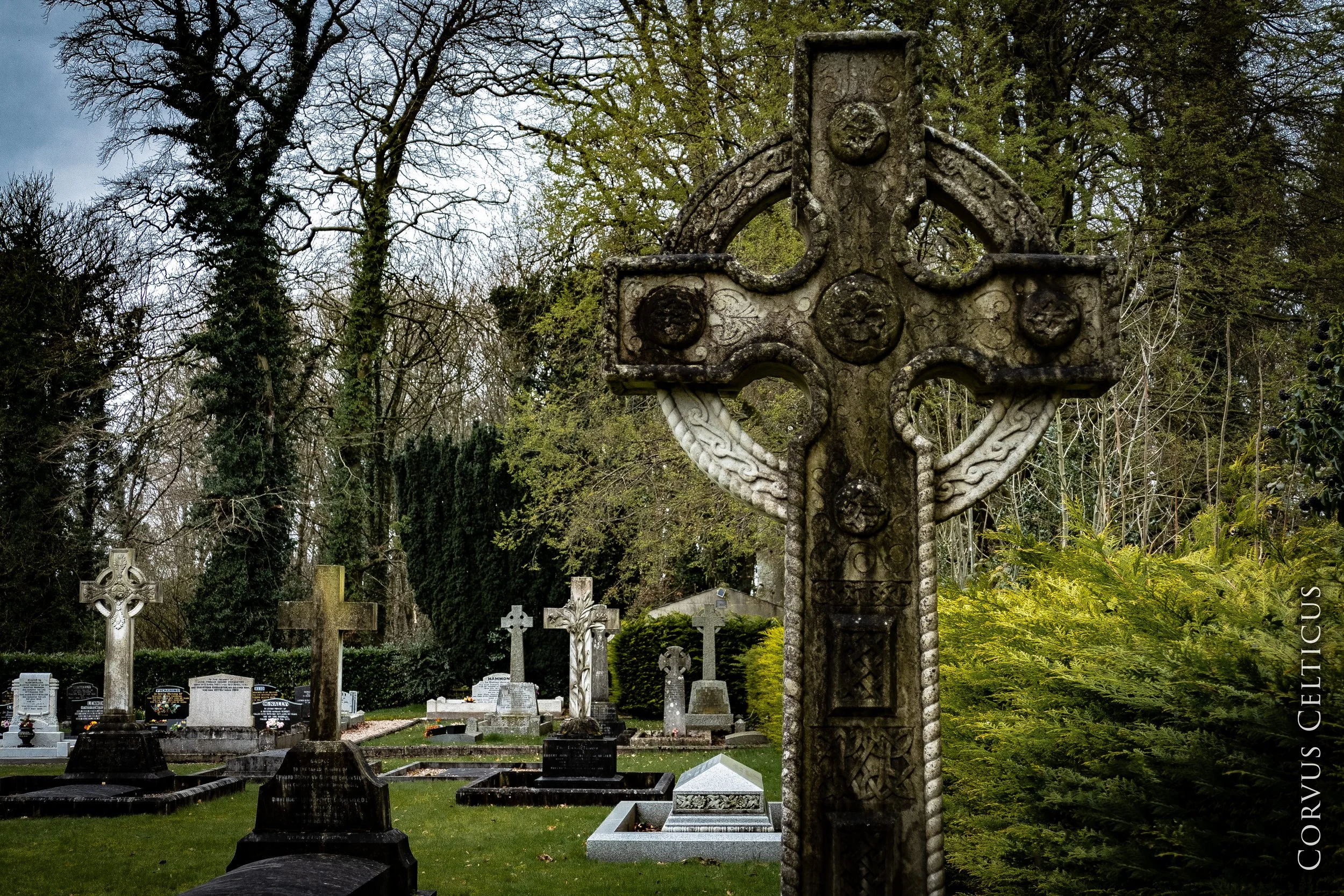
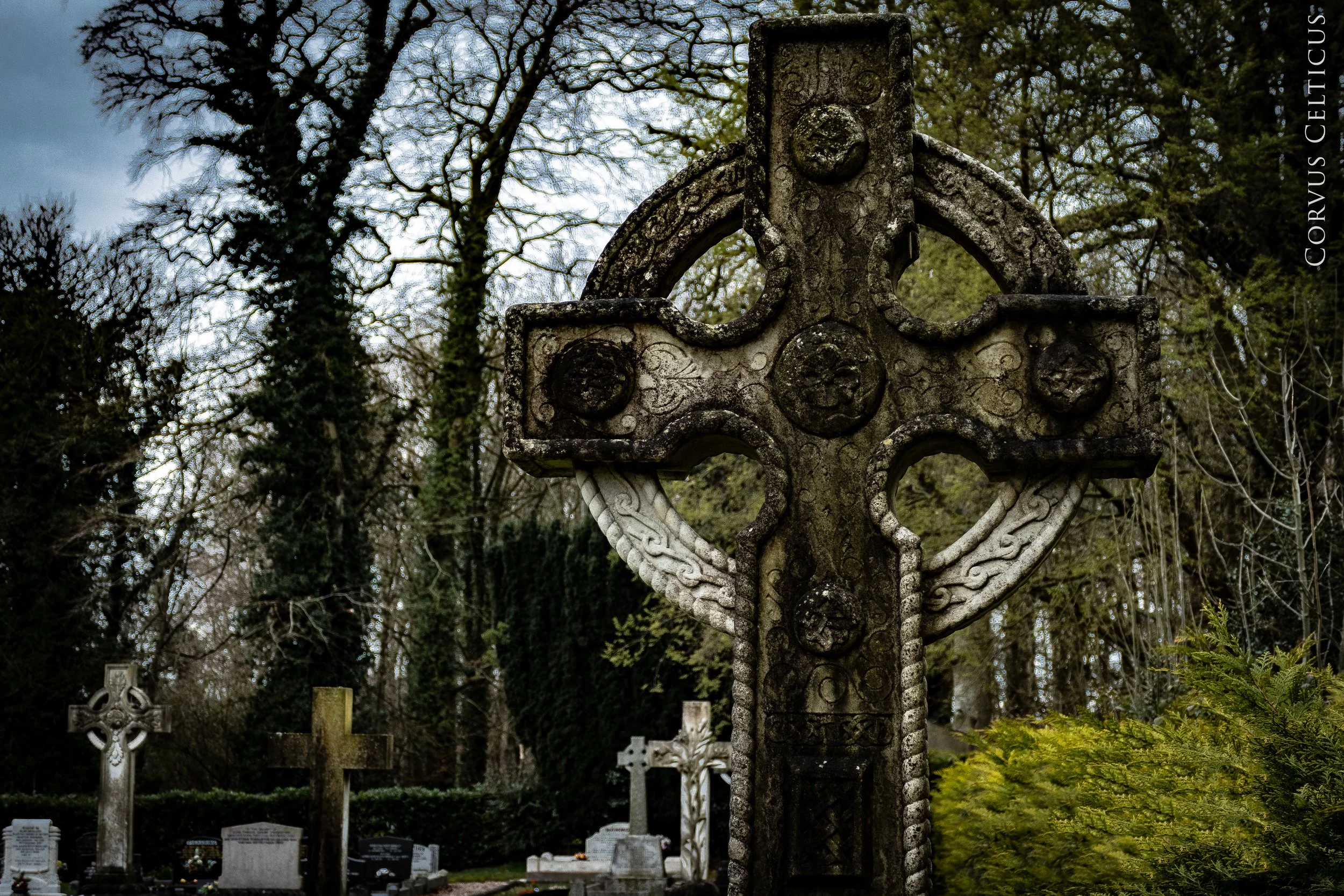
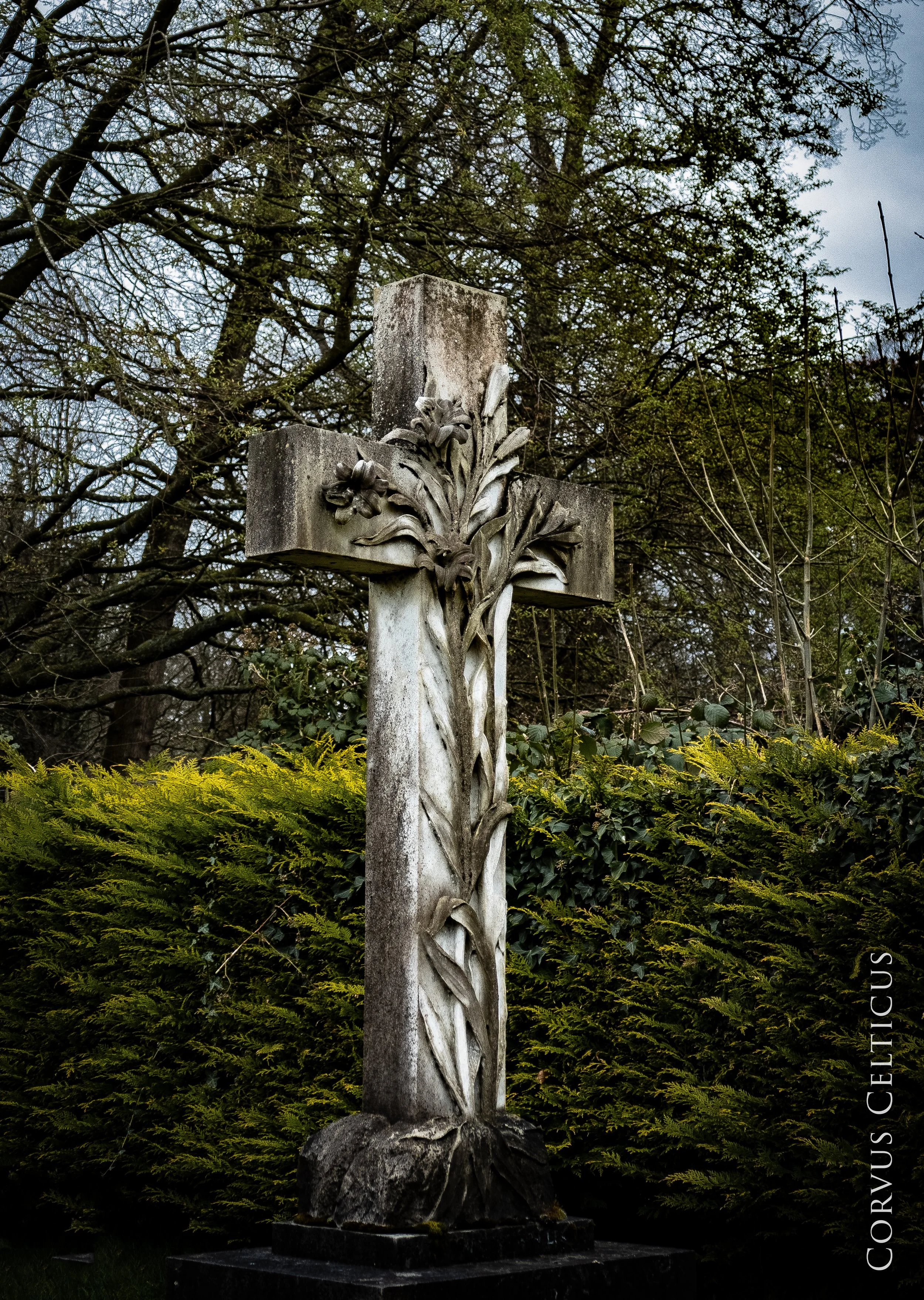
Christ Church is a peaceful, living churchyard. A place of trees, river air, old family names, personal memories, and a small number of the most beautiful Celtic crosses I have come across.
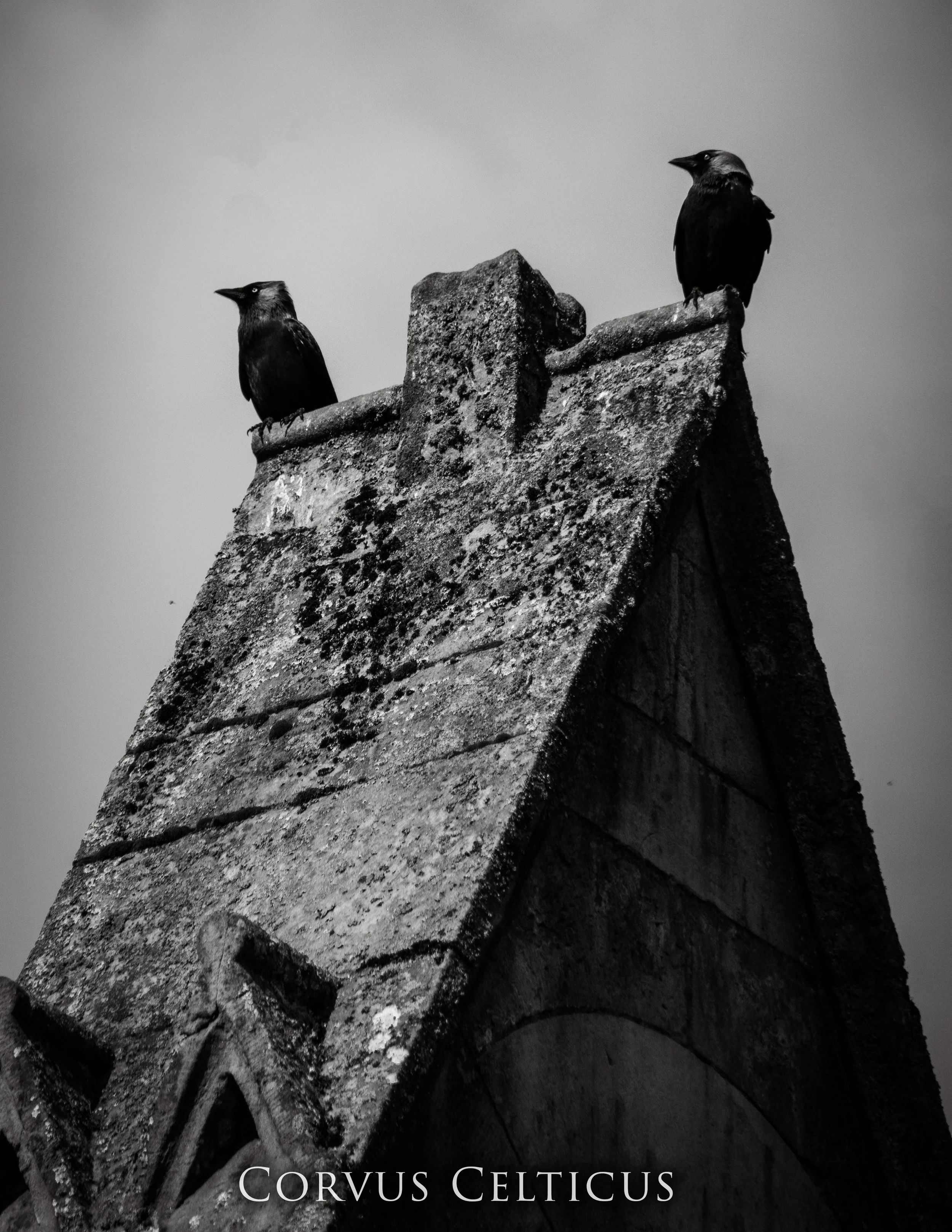
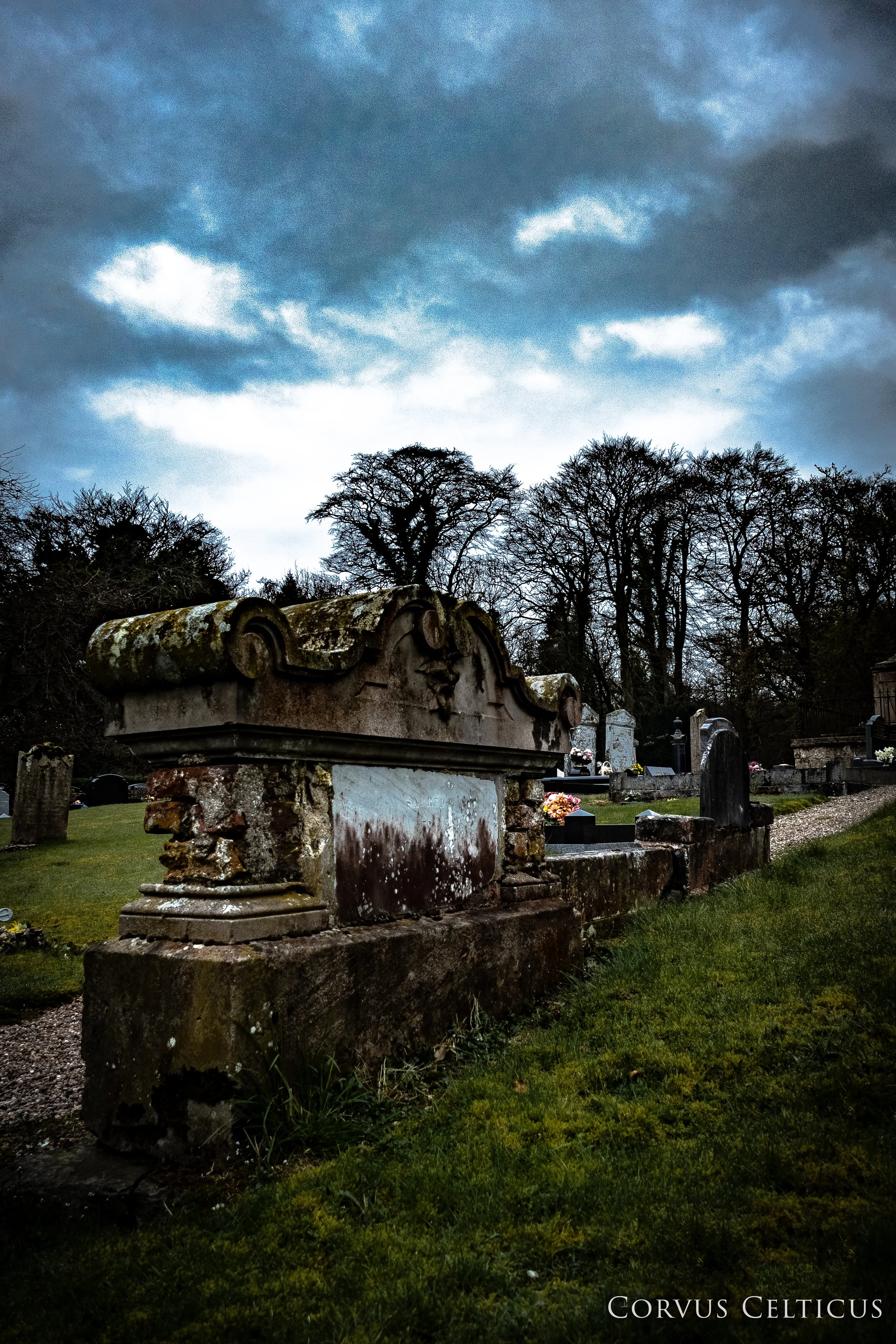
Walking through the grounds, you almost feel as though you are moving through a small forest of stone. Celtic crosses, monuments, and headstones are all around you in different shapes, sizes, and states of age. Some stand proud and clear against the sky. Others are softened by time itself.
There is something deeply moving about Celtic crosses. They have always felt like one of the most beautiful Christian symbols on this island - the cross of Christ’s sacrifice, surrounded by the circle that reminds me of eternity, creation, and the unbroken love of God.
What makes Christ Church feel especially meaningful is that the history of Castledawson is not only found in books, bridges, estates, or old stories. It is written throughout the churchyard itself.
The headstones reflect the names of Castledawson, past and present. Families who shaped the village, lived in it, worked in it, worshipped in it, loved in it, and eventually came to rest within sight of the church.
This is not just a place you pass through on the way to somewhere else.
Castledawson has so much history, so much beauty, and such deep family roots - too much for many to simply leave behind.
The Bench
Whenever I find myself passing Christ Church, I often end up stopping. Sometimes it is only for a few minutes. Sometimes it becomes much longer. I am fortunate to be close to people who live nearby, and over time this churchyard has become more than just somewhere I visit with a camera.
I have spent many hours here on a bench, talking with someone very dear to me, someone whose presence has made this place even more special to me. Not grand conversations. Not anything that needs to be dressed up or explained too much. Just the sort of conversations that stay with you because of who they were shared with.
Those precious moments have happened in all seasons. In the warmth of the summer sun, when the churchyard feels bright and full of life. In autumn, when the brown leaves crunch underfoot. On cold winter afternoons, when shivering breath hangs in the air. At spring sunsets, when the light falls softly through the trees and the whole place feels almost too beautiful to say goodbye to.
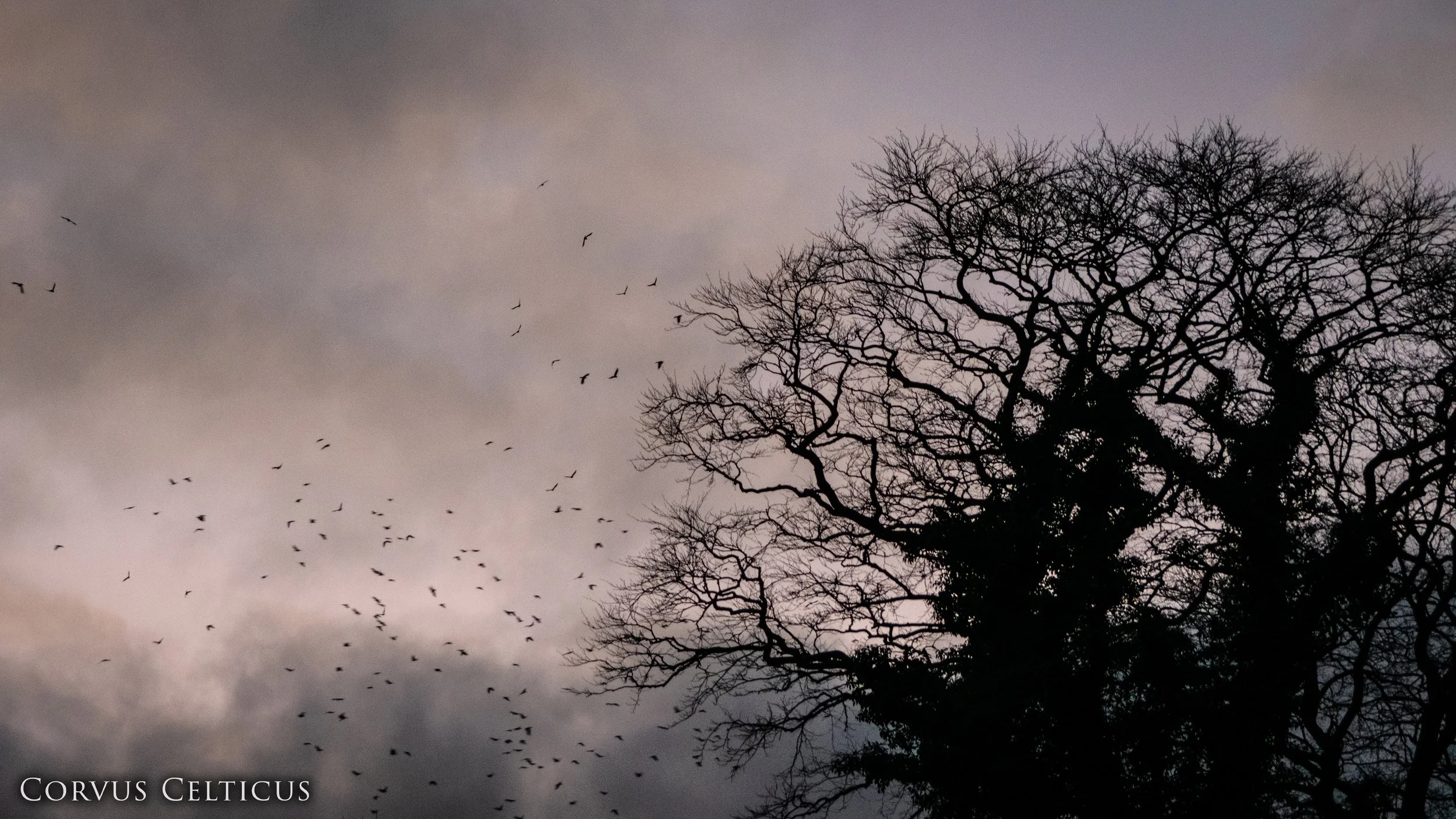
There is something about this setting that makes ordinary conversations feel anything but ordinary. The Celtic crosses, the headstones, the trees, the birds, the river nearby, and the church itself all seem to gather around the moment. Words spoken here feel gentler. Silences feel easier. And even laughter and joy seem to belong more deeply in this churchyard, as though the place makes room for every part of being human.
Perhaps we borrow something from the love other people leave behind. A place can matter so much to us, not because it belongs to our own story, or our own roots, but because we come to understand it through the lens of how deeply it belongs to someone else’s.
Someone very dear to them rests here.
And knowing that makes this whole place feel even more sacred to me too.
That may be the real reason Christ Church means so much to me. Not only because of its history, or its beauty, or the stories carved into its stones, but because some places become special through the people we share them with.
The Easter Bunny
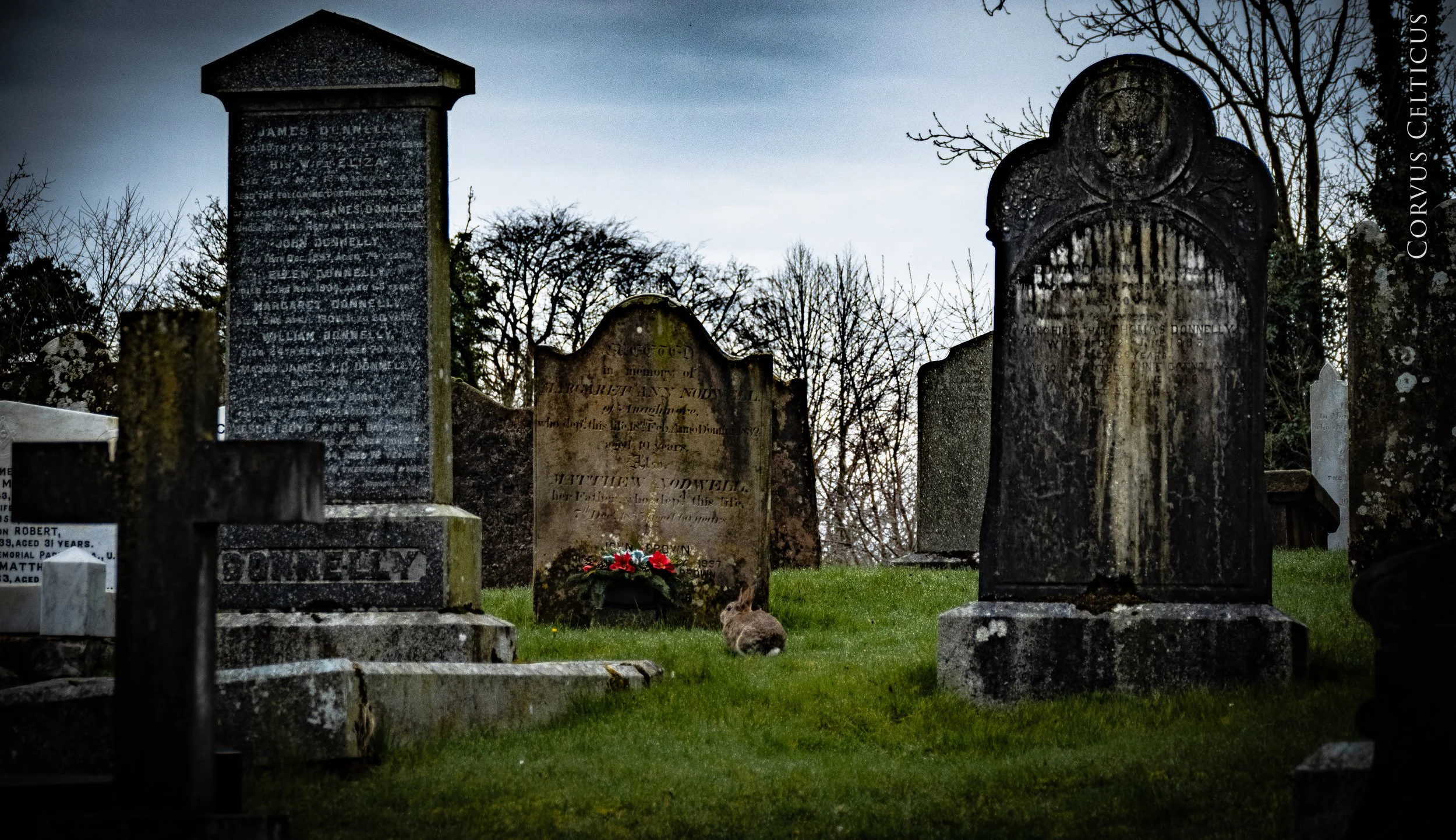
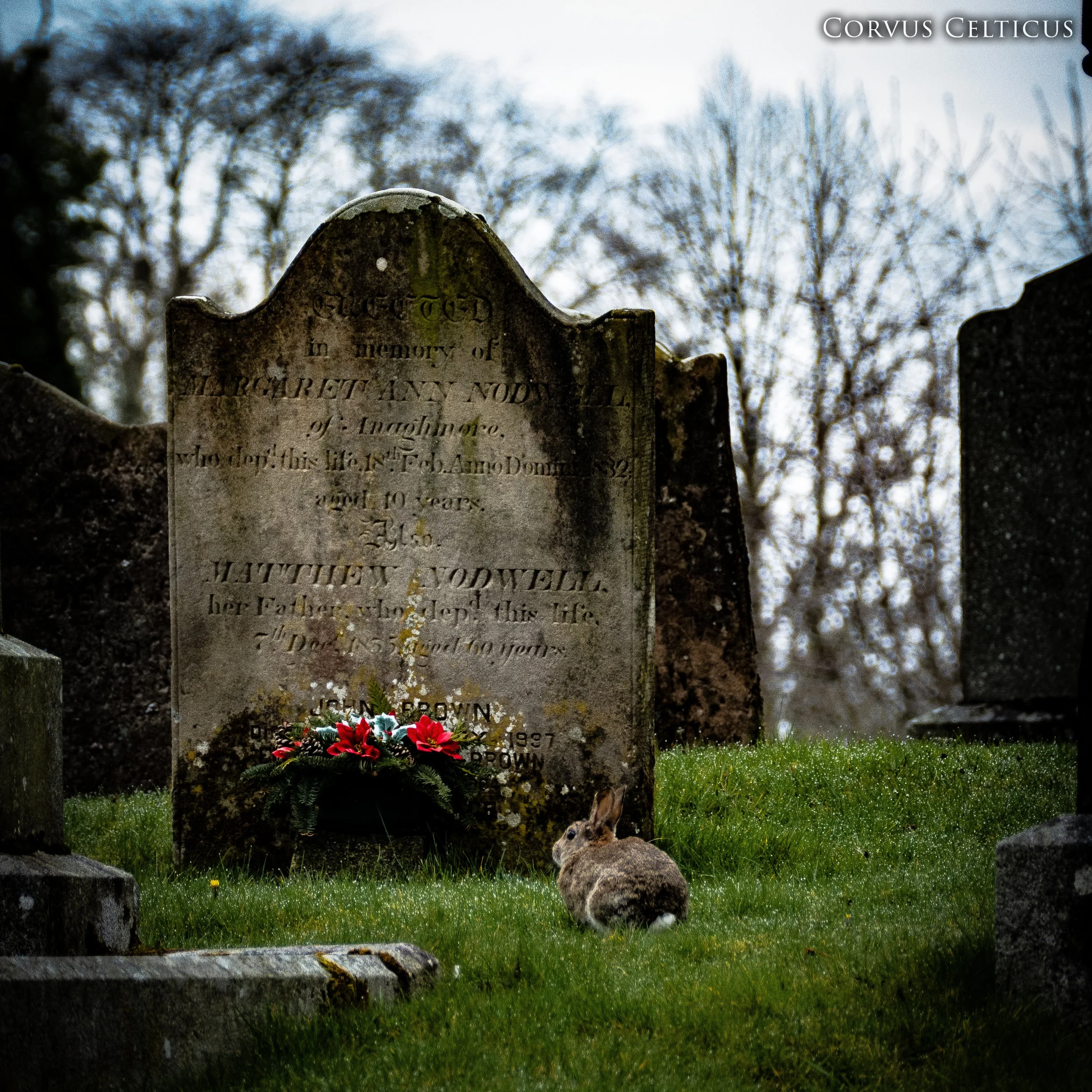
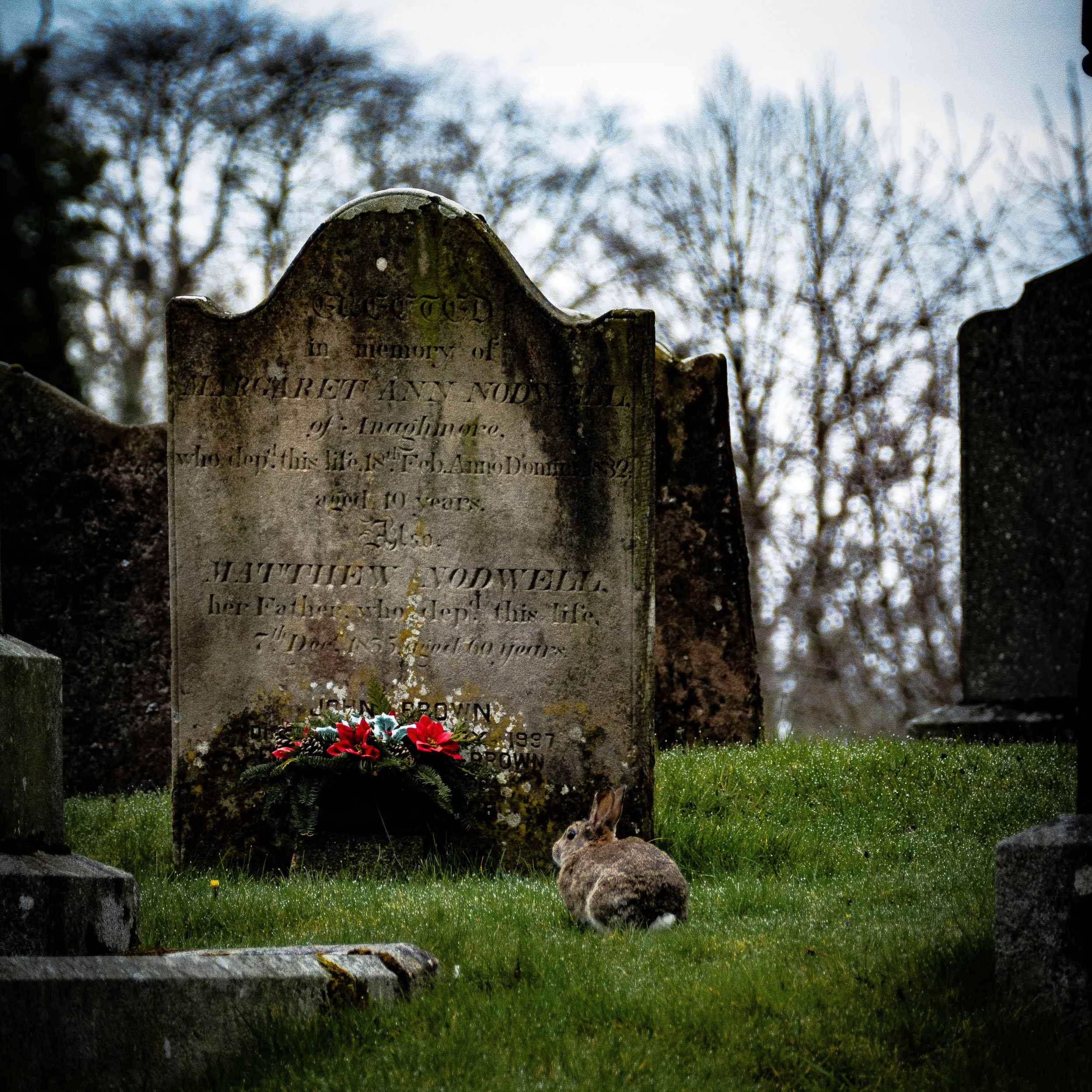
One morning, close to Easter, I happened to visit the churchyard and found a small rabbit resting quietly between the gravestones. It did not run when its eyes caught mine. It simply sat there in the stillness, tucked among the stones, allowing us both to appreciate the morning’s glow.
I am not one to force meaning onto every small moment, but sometimes a scene speaks for itself.
At Easter, Christians remember the empty tomb. We remember that death does not get the final word. So to see this small living creature resting among the graves felt strangely beautiful. Not dramatic. Not supernatural. Just a quiet reminder that death is not the end.
Among names carved in stone, under the shadow of the cross, there was still breath, movement, softness, and life.
That moment stayed with me.
The Journey There
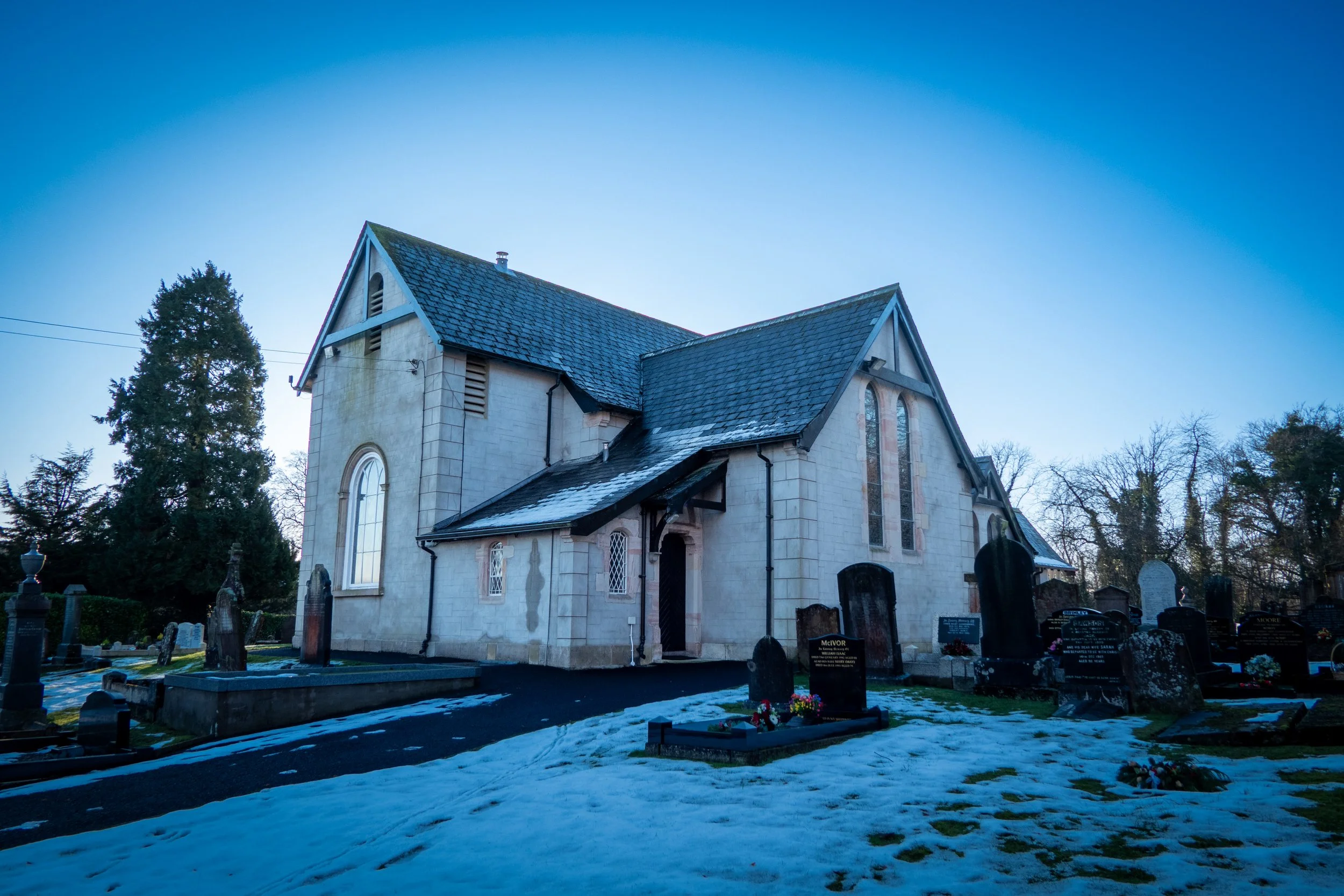
Christ Church is still very much in use, so this is not an abandoned ruin or forgotten shell. It is an active place of worship and an active graveyard, and any visit should be made with respect, care, and quietness.
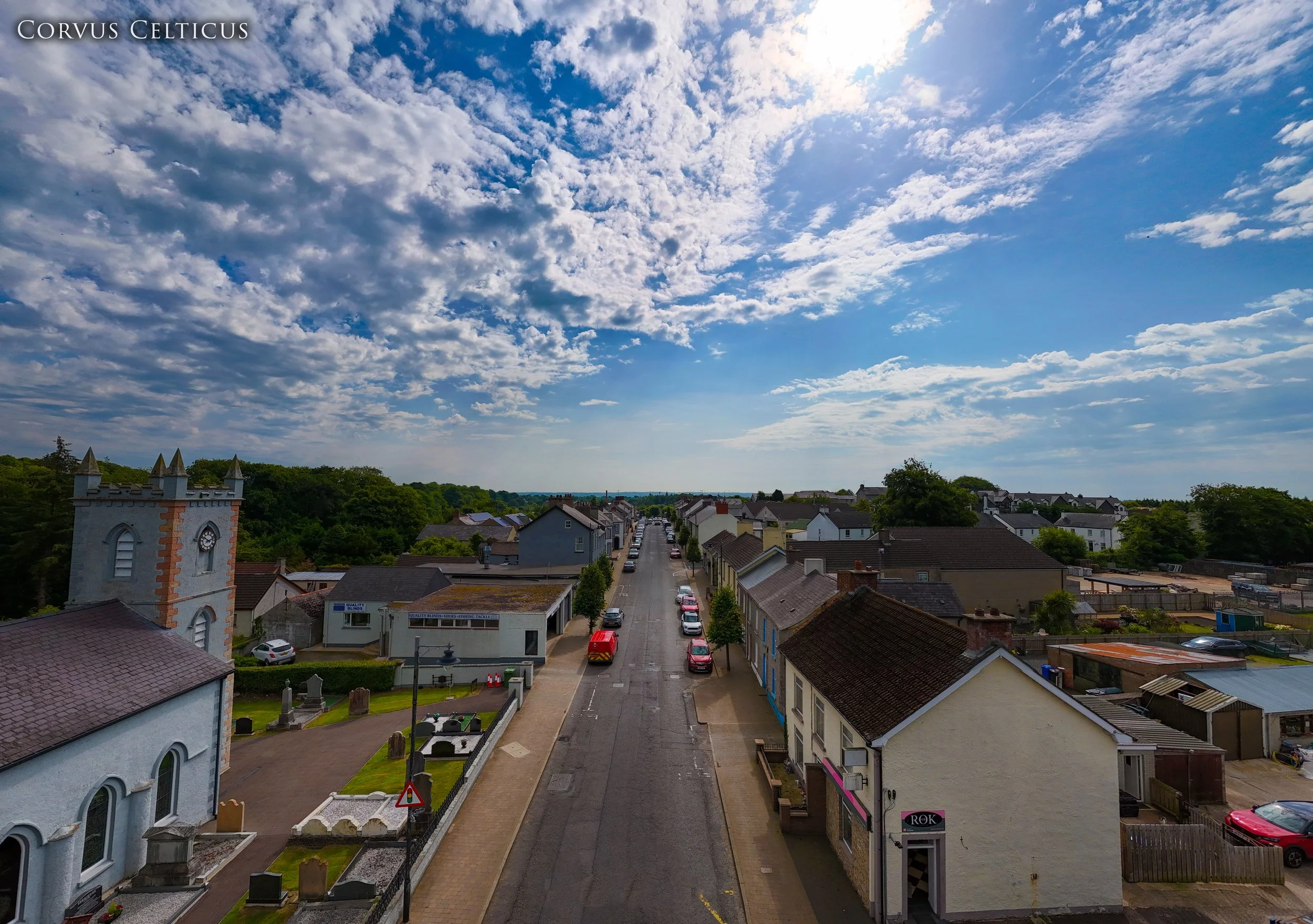
There is limited parking available at the gate itself, but just across the road is a large car park for Moyola Park Football Club. In my opinion the best way to visit is to walk from the village. That short walk gives the place context.
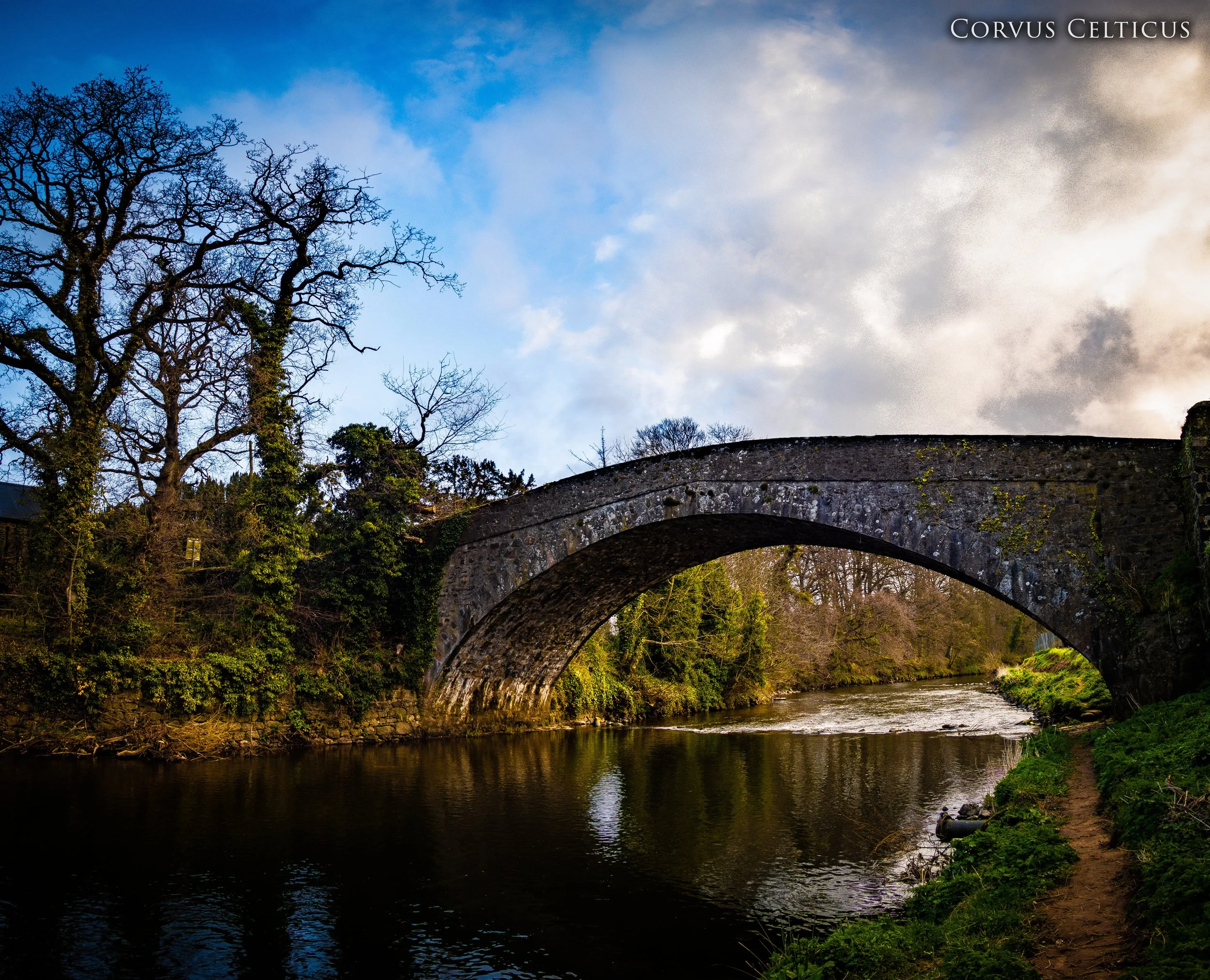
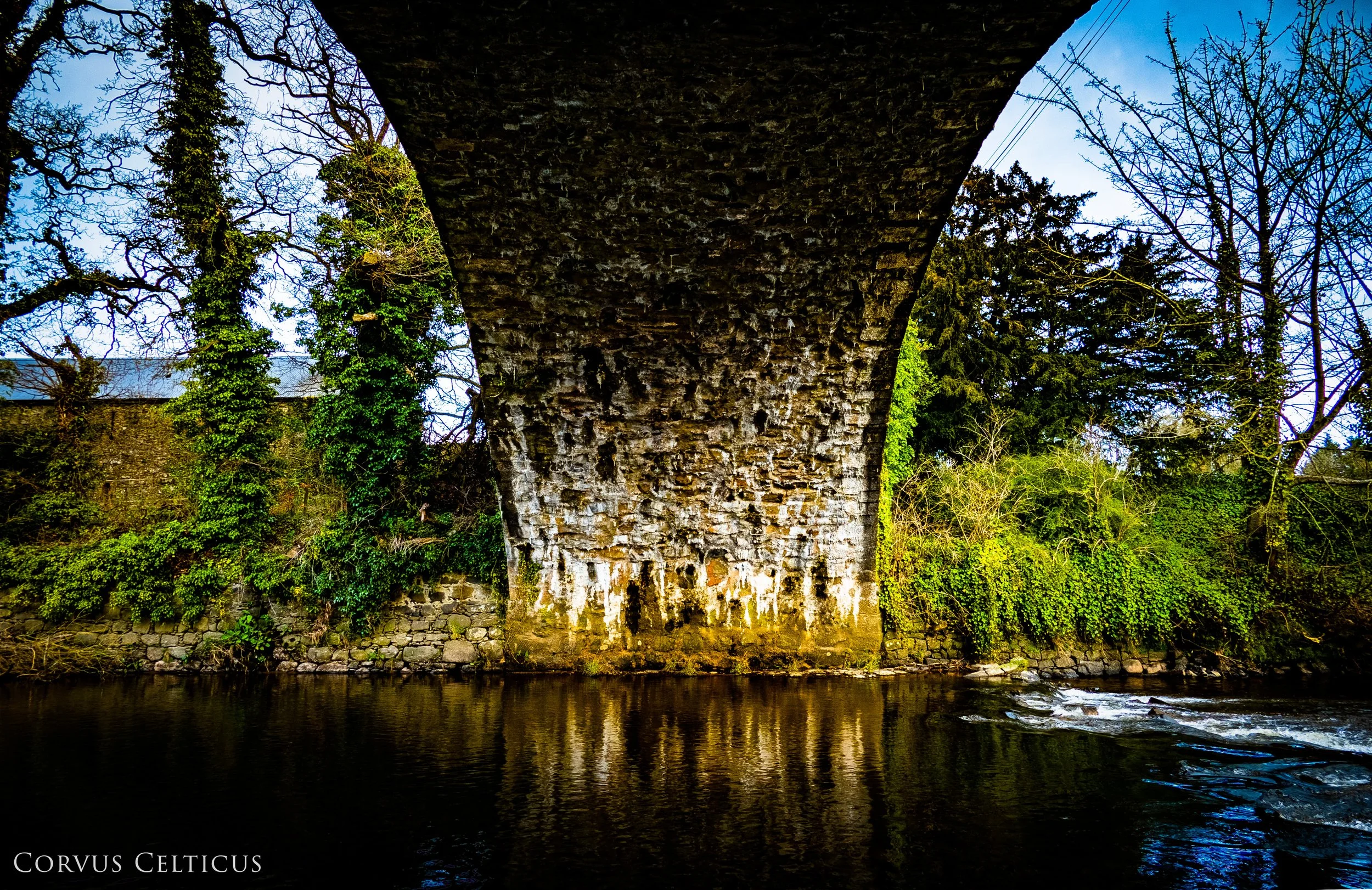
You can cross Dawson’s Bridge, once said to have been the largest single-span stone bridge in Ireland.
You can stop and look down over the Moyola River, watch the brown water moving beneath you, and take in the quiet air of Castledawson life before you even reach the church.
There are resident geese along the river too, guarding the path like fanatical sentries on duty — which is fair enough, because they have been there for as long as I can remember.
By the time you reach Christ Church, the whole place feels less like a single location and more like a small journey. Village, river, bridge, trees, crosses, graves, and church.
The Peelers story may have brought me here once more with my camera, but it is not the reason I keep returning.
Sometimes the places that stay with you are not the loudest, the darkest, or the oldest. Sometimes they are quiet, well-kept, beautiful, and still a living part of the community. Places where history is present, but not shouting. Places where the gravestones stand beneath the trees, the river moves nearby, and where the views and conversations from the bench will live with you forever.
Christ Church Castledawson is that place for me.
Watch the original video
A short visual companion to this field note, originally shared on TikTok.
@corvuscelticus Peelers Why do people in Northern Ireland call the police Peelers? It’s one of those words you hear all the time here, especially after programmes like BBC’s 'Peelers: The PSNI for Real' with Stephen Nolan. But the story behind it goes far deeper than modern policing and the Police Service of Northern Ireland. This video takes us to Castledawson, County Derry/Londonderry, where a surprising local connection links Northern Ireland slang, Irish history, the PSNI, and one of the most influential political names of the 19th century. A forgotten link between Castledawson, Sir Robert Peel, and the origins of policing in Ireland. #northernireland #peelers #belfast #hiddenhistory ♬ original sound - Corvus Celticus