Saint Elizabeth’s Old Church in Dundonald
Visited for my video: “What is the tallest gravestone in Northern Ireland?”
I visited Saint Elizabeth’s old churchyard in Dundonald on a few different days in early 2026, and apparently mist, rain, and general misery were not enough to put me off. Due to work, I find myself in or around Dundonald often, so I only have myself to blame for my choice of visits!
In fairness, this is exactly the sort of place that suits bad weather.
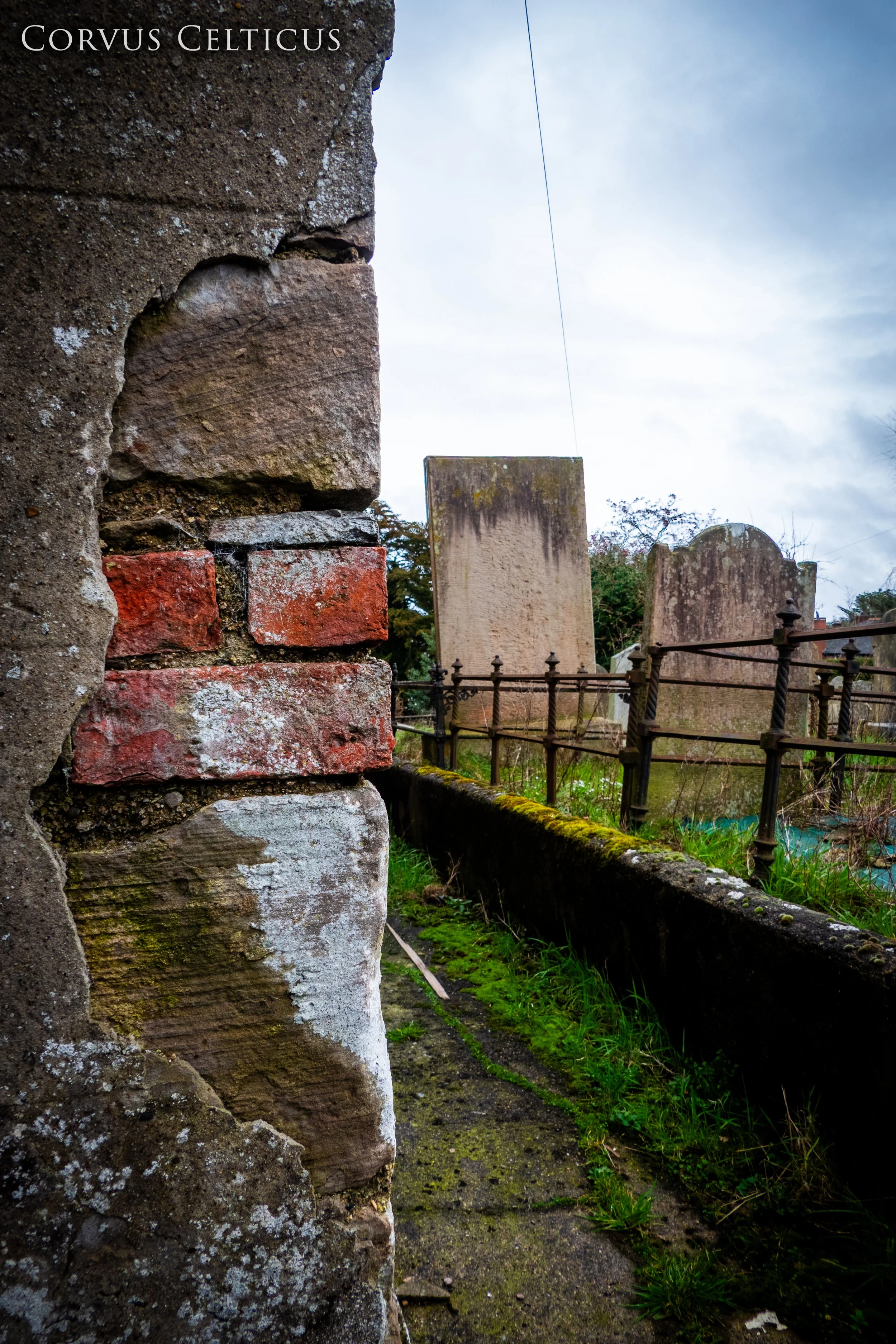
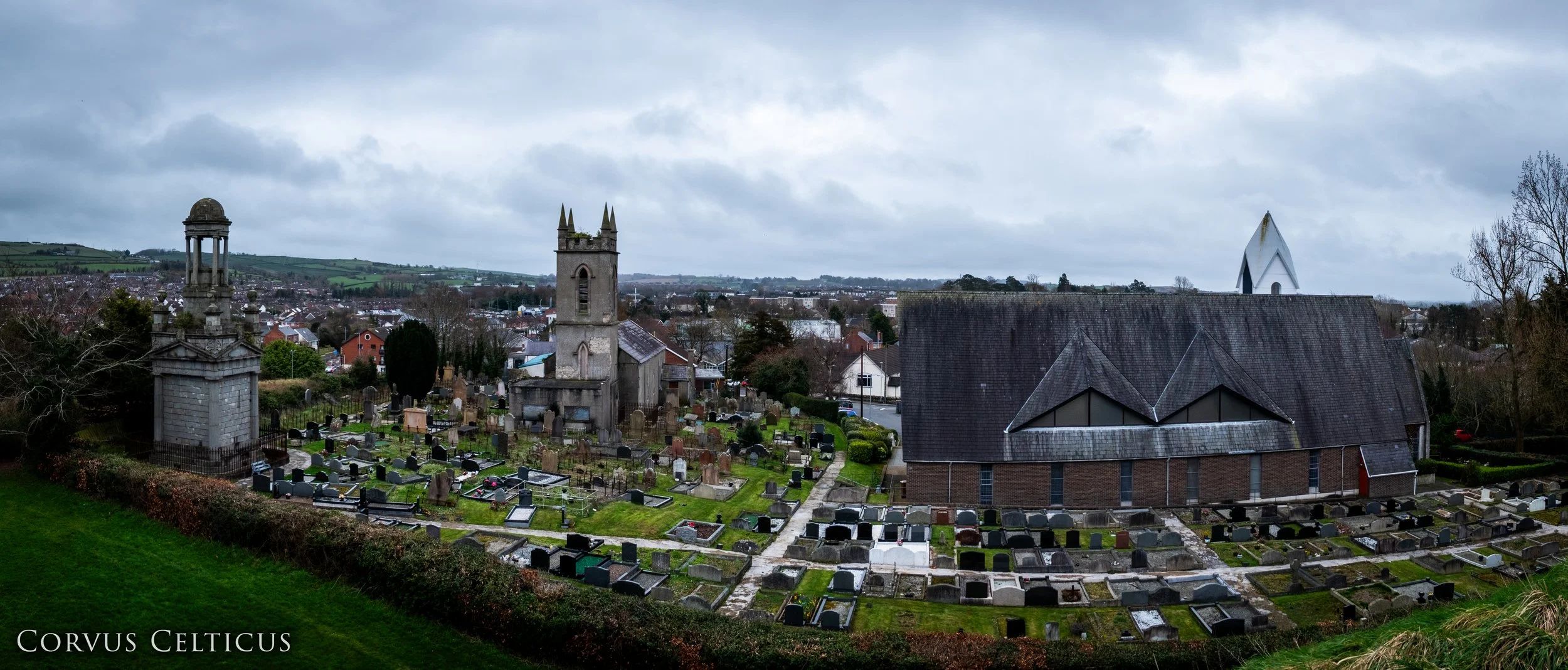
The walk around the old churchyard is peaceful, quiet, and strangely tranquil. There are newer graves towards the back, but the older path through the churchyard feels much less travelled. That may be partly because the newer Saint Elizabeth’s church was built right beside the old one, shifting the life of the parish away from the older building and leaving the original churchyard with a more forgotten atmosphere.
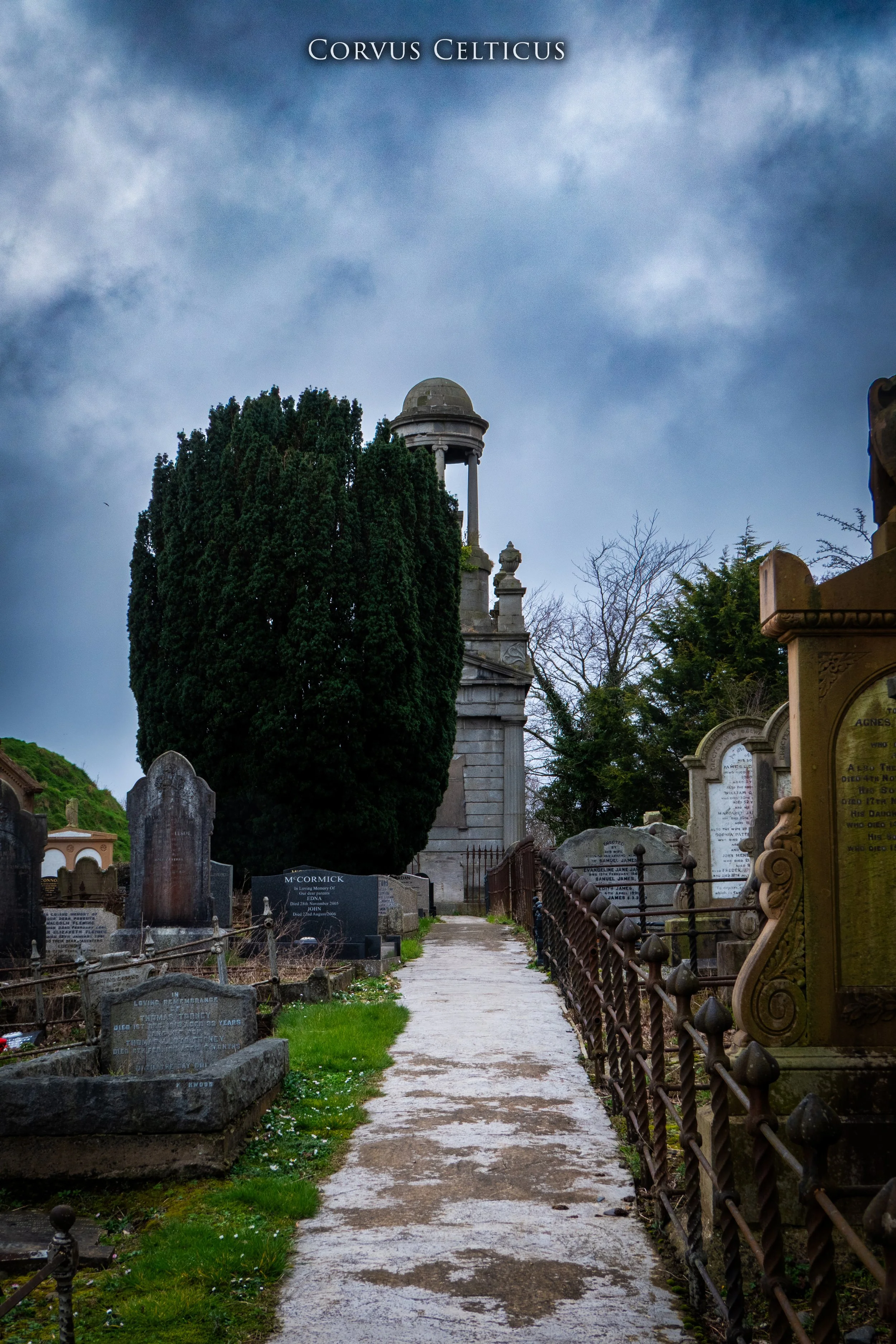
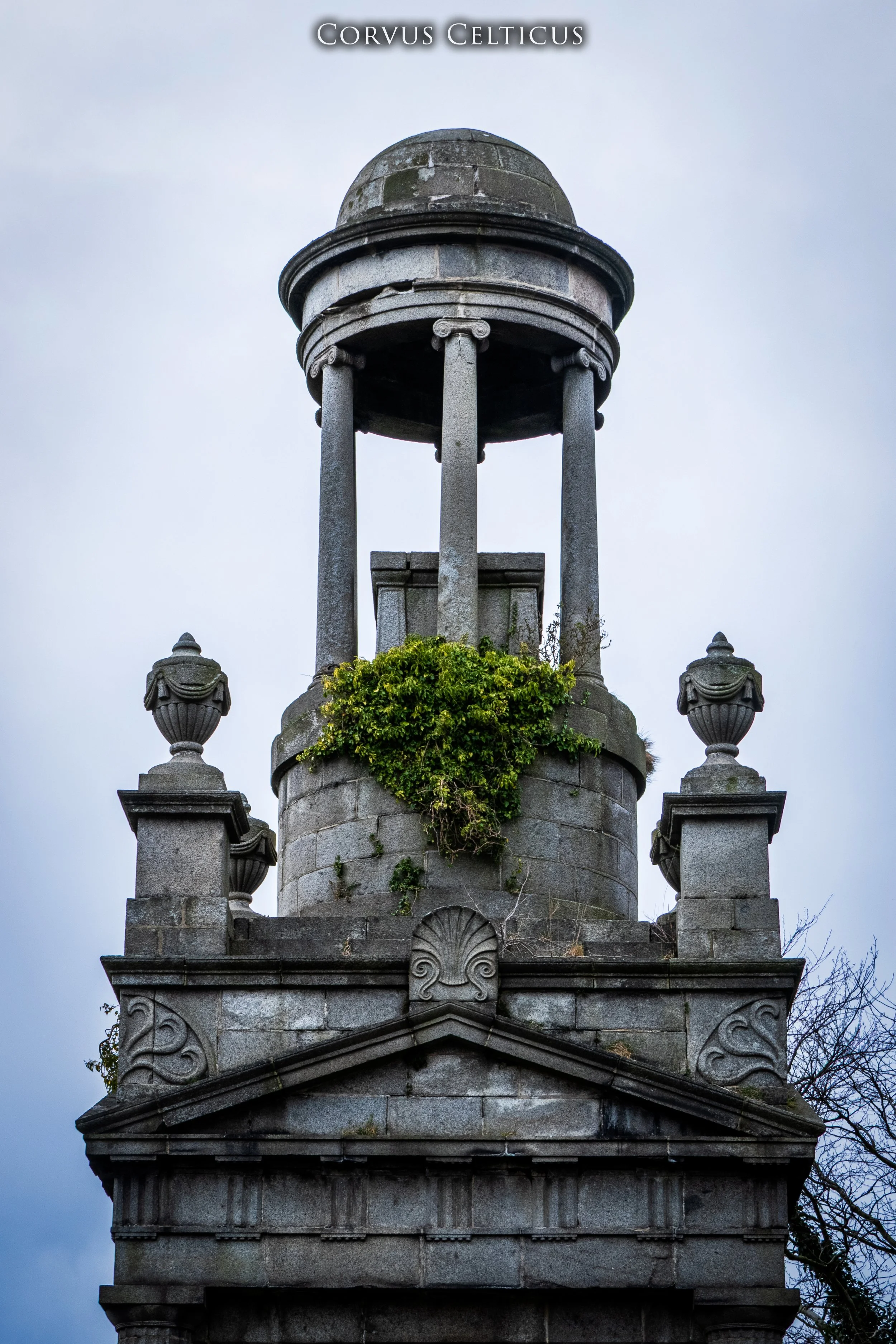
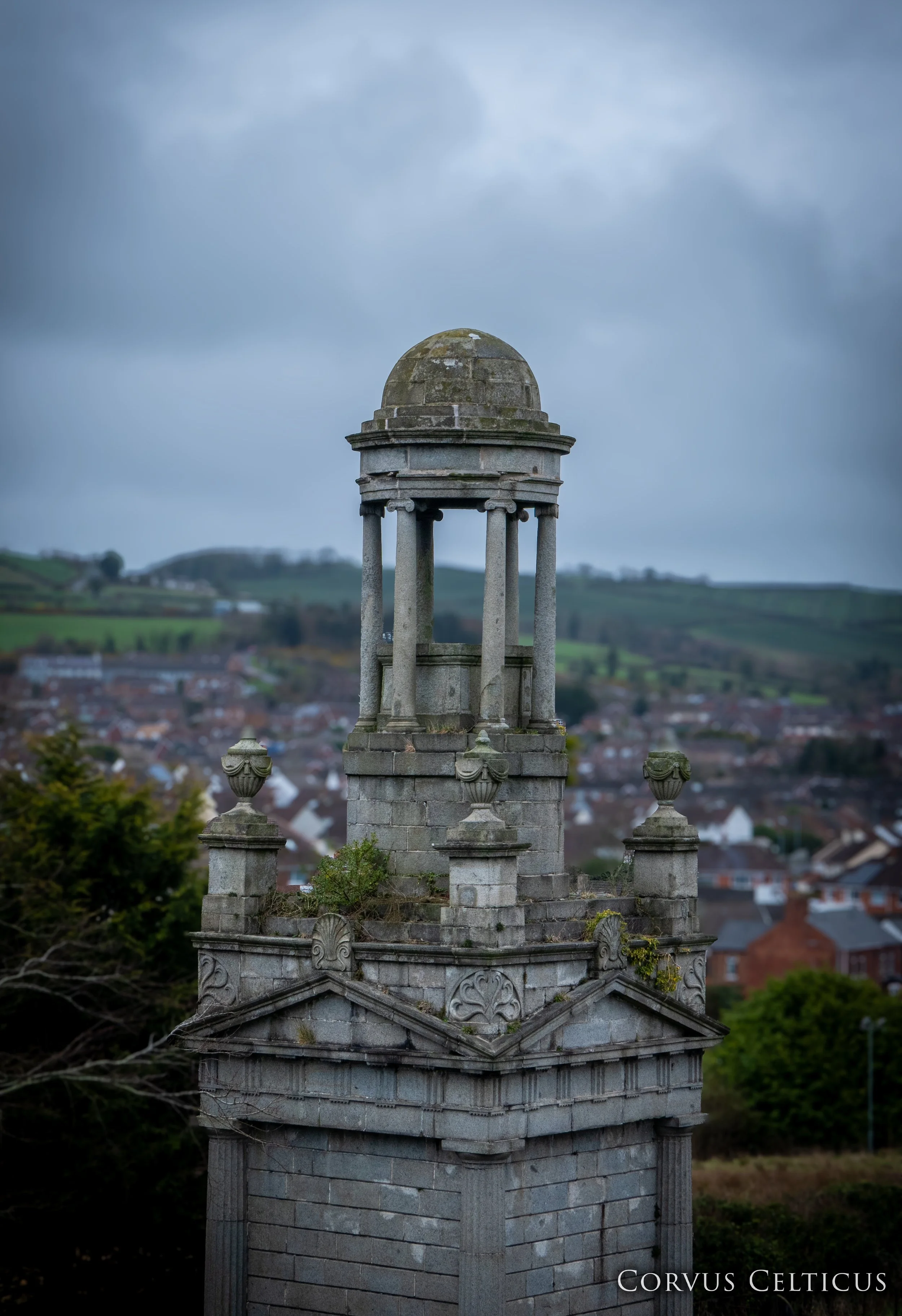
The Cleland Mausoleum
It is a sight to behold.
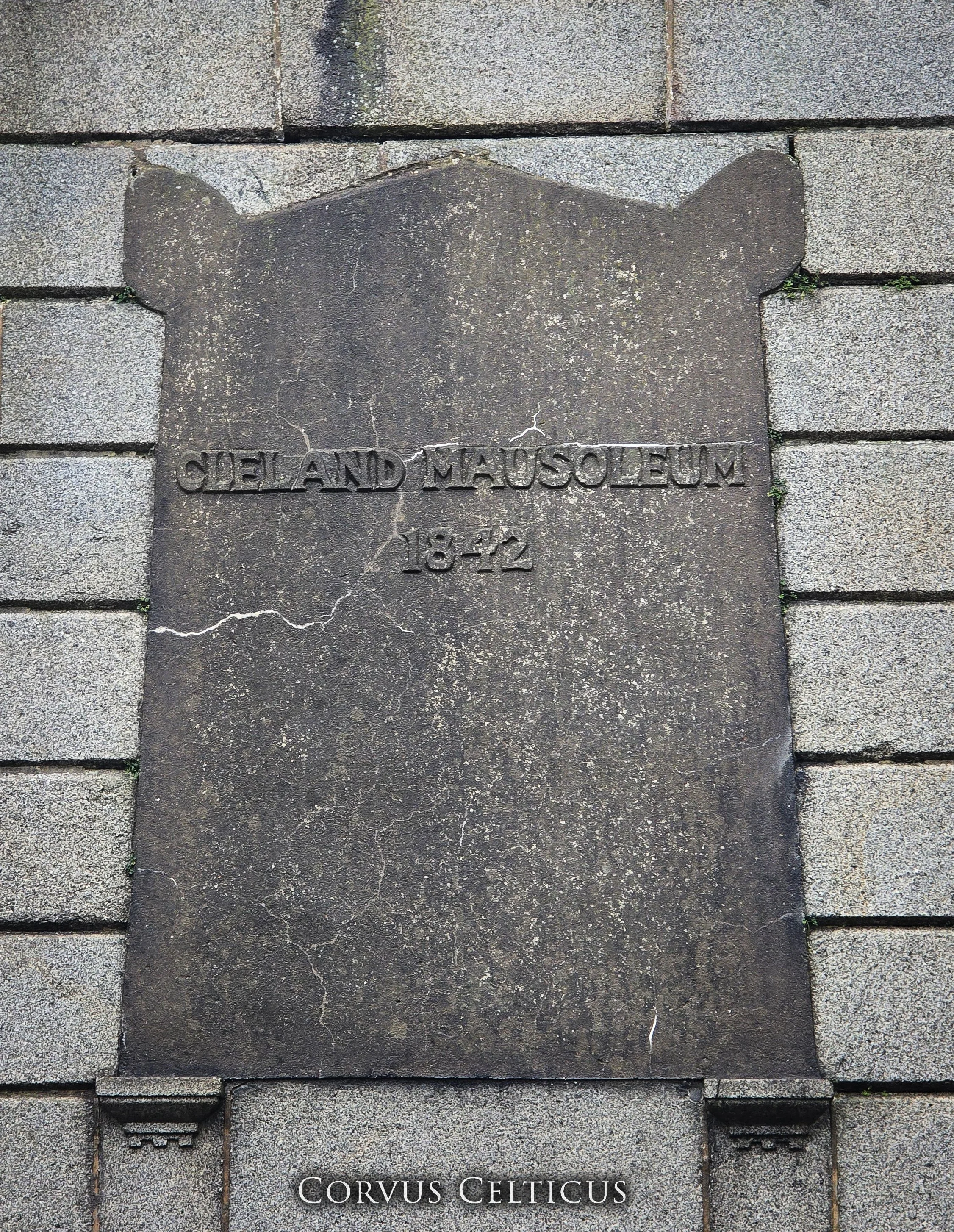
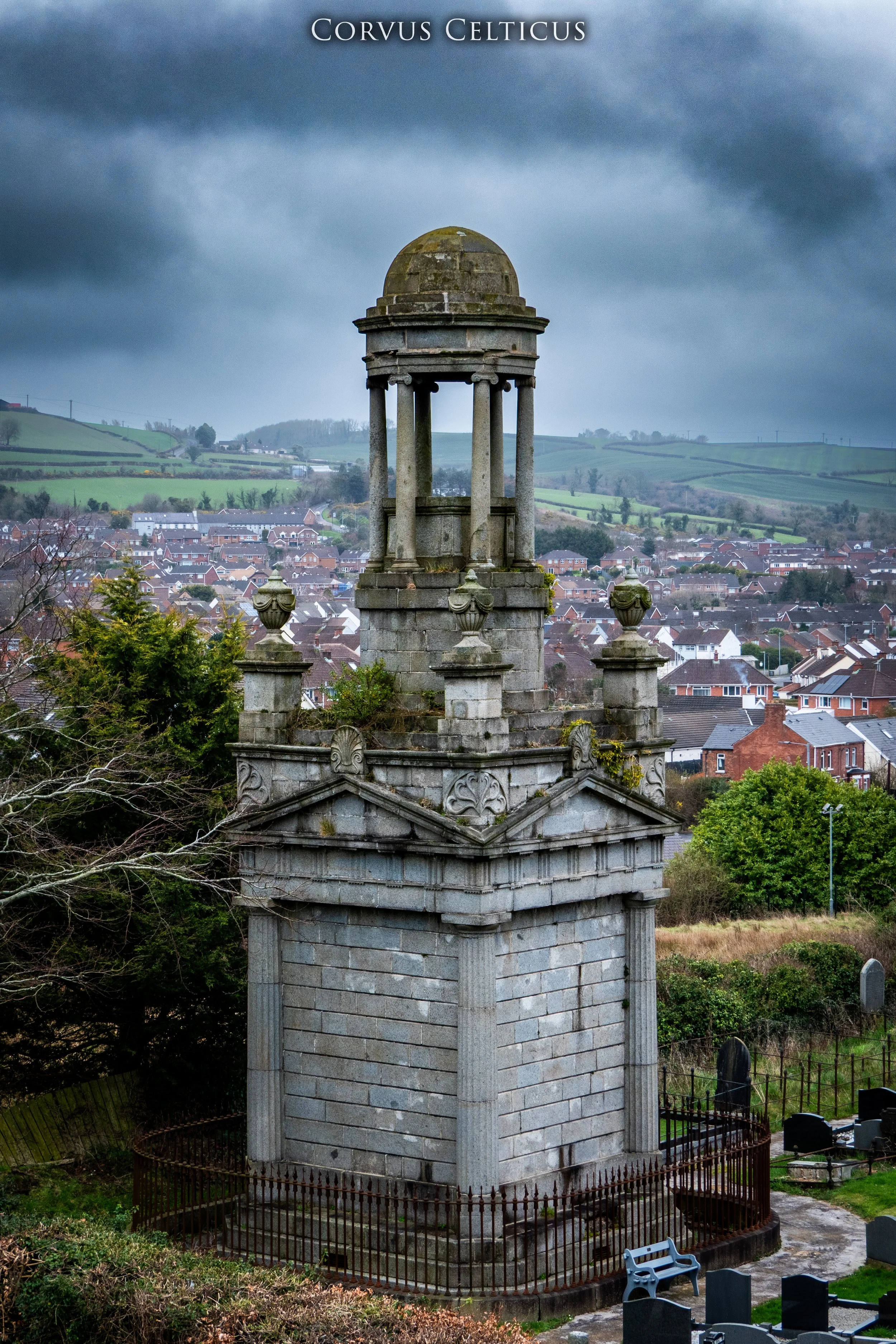
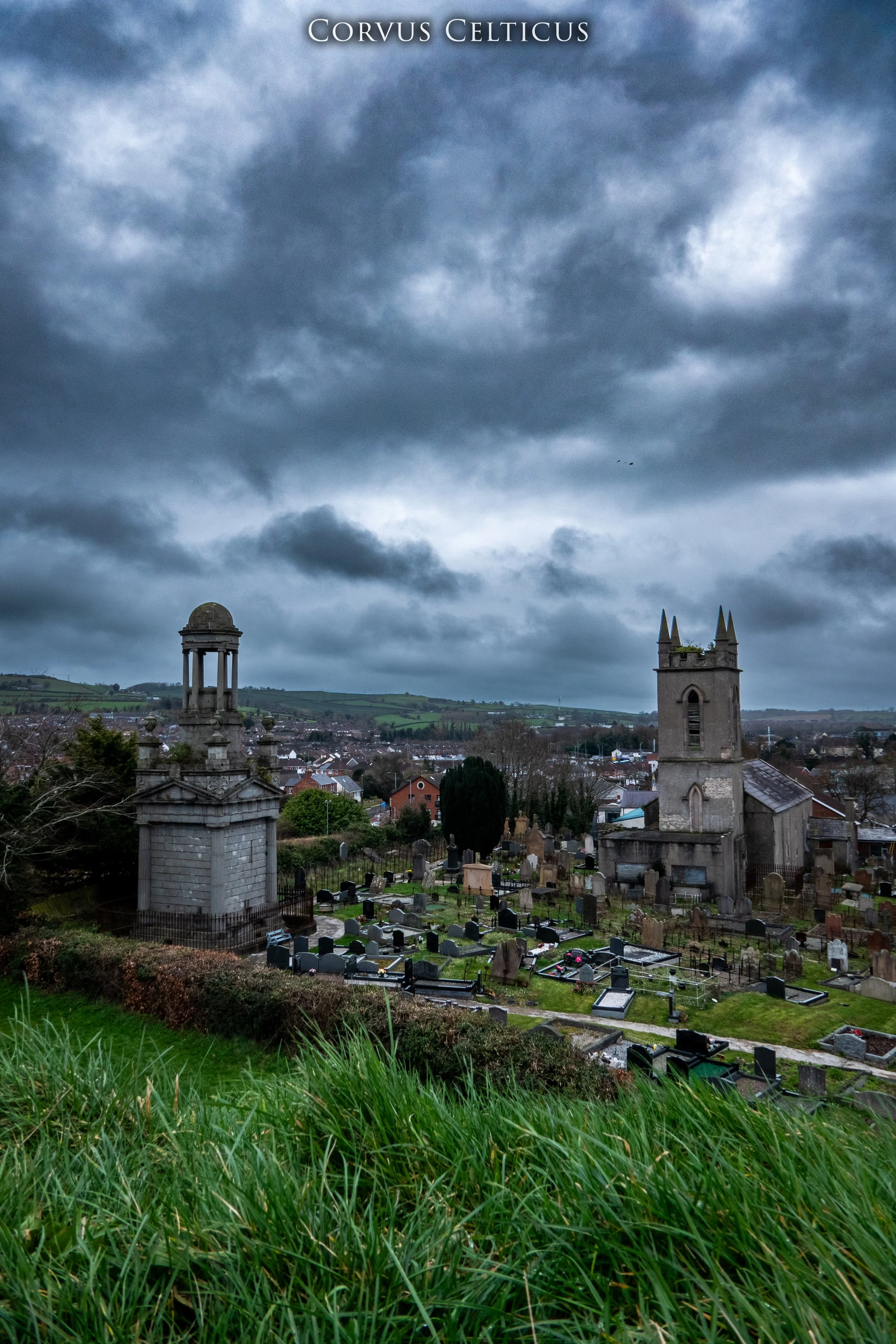
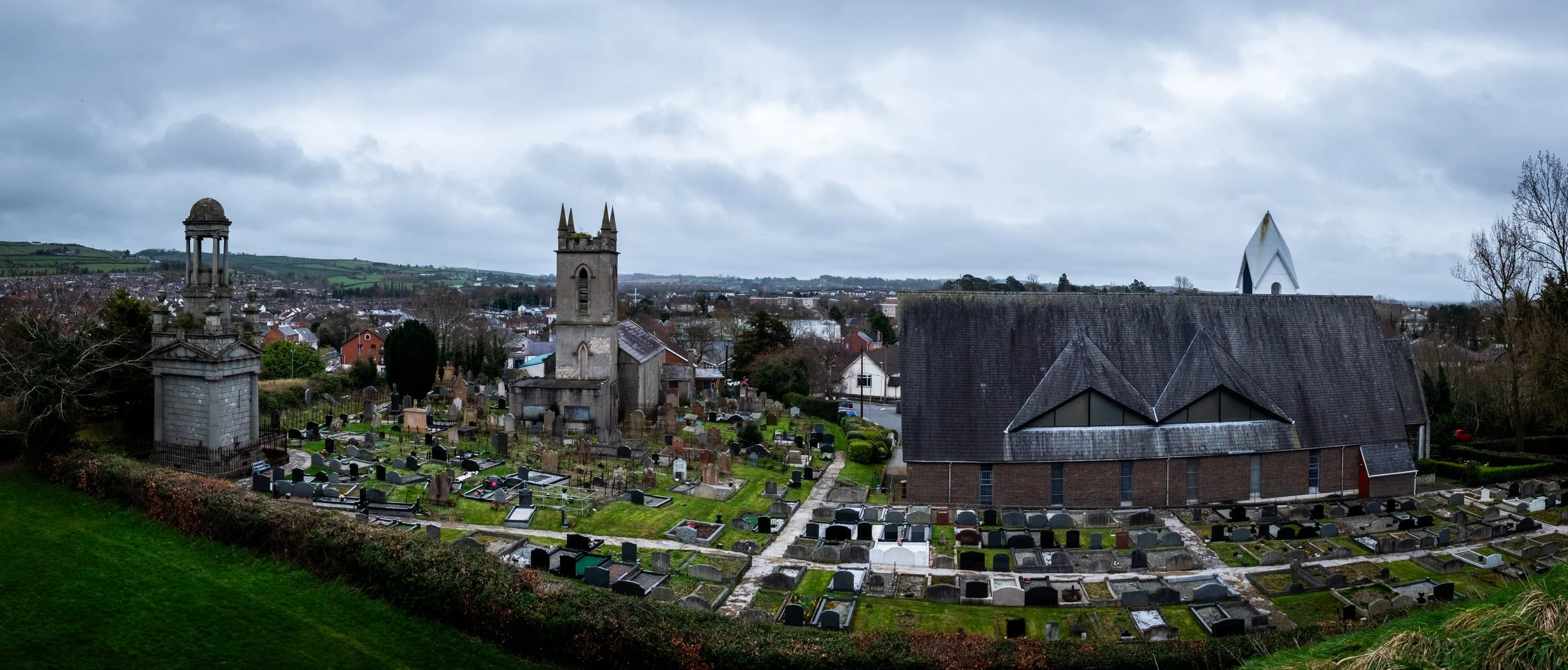
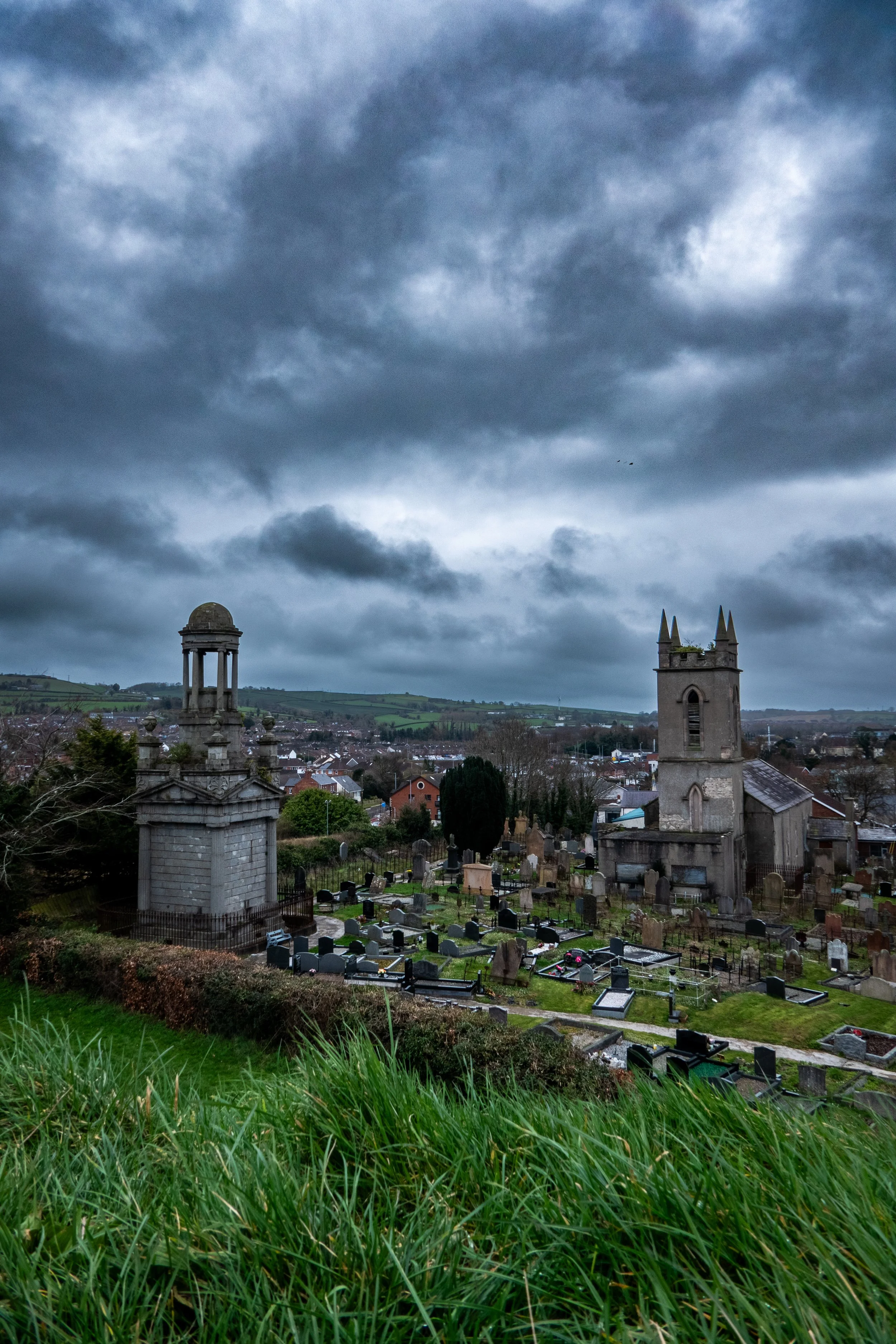
Built in 1842, the mausoleum commemorates Samuel Cleland of Stormont, and it completely dominates the graveyard. It rises above the surrounding headstones with such confidence that it almost feels too large for the space around it. From certain angles, it even appears to challenge the old church itself for height.
Samuel Cleland’s story adds a tragic weight to the memorial. He died at a young age after an accident involving falling masonry while work was being carried out at Stormont. His widow, Eliza Cleland, is said to have commissioned this towering memorial in his memory, and the cost was enormous for its time. The result was not simply a grave marker, but a statement of grief, status, memory, and Victorian ambition.
Whether or not it is truly the tallest grave memorial in Northern Ireland, it is certainly one of the most dramatic I have seen.
The structure is grand, classical, and impossible to ignore: stone columns, iron railings, carved details, and a domed top that makes it feel less like a grave and more like a small monument dropped into the middle of a quiet parish churchyard.
The Gordon Family Mausoleum
But don’t make the mistake of only visiting the Cleland memorial.
Take your time here.
As you enter, look towards the right-hand corner of the old graveyard and keep an eye out for the smaller family vault tucked away there. The archaeological records identify a Gordon family vault in the north-east corner of the graveyard, and it is well worth a look. It does not have the same towering presence as the Cleland Mausoleum, but that is part of its charm. It sits quietly, almost overshadowed, waiting for people who are willing to notice more than the obvious.
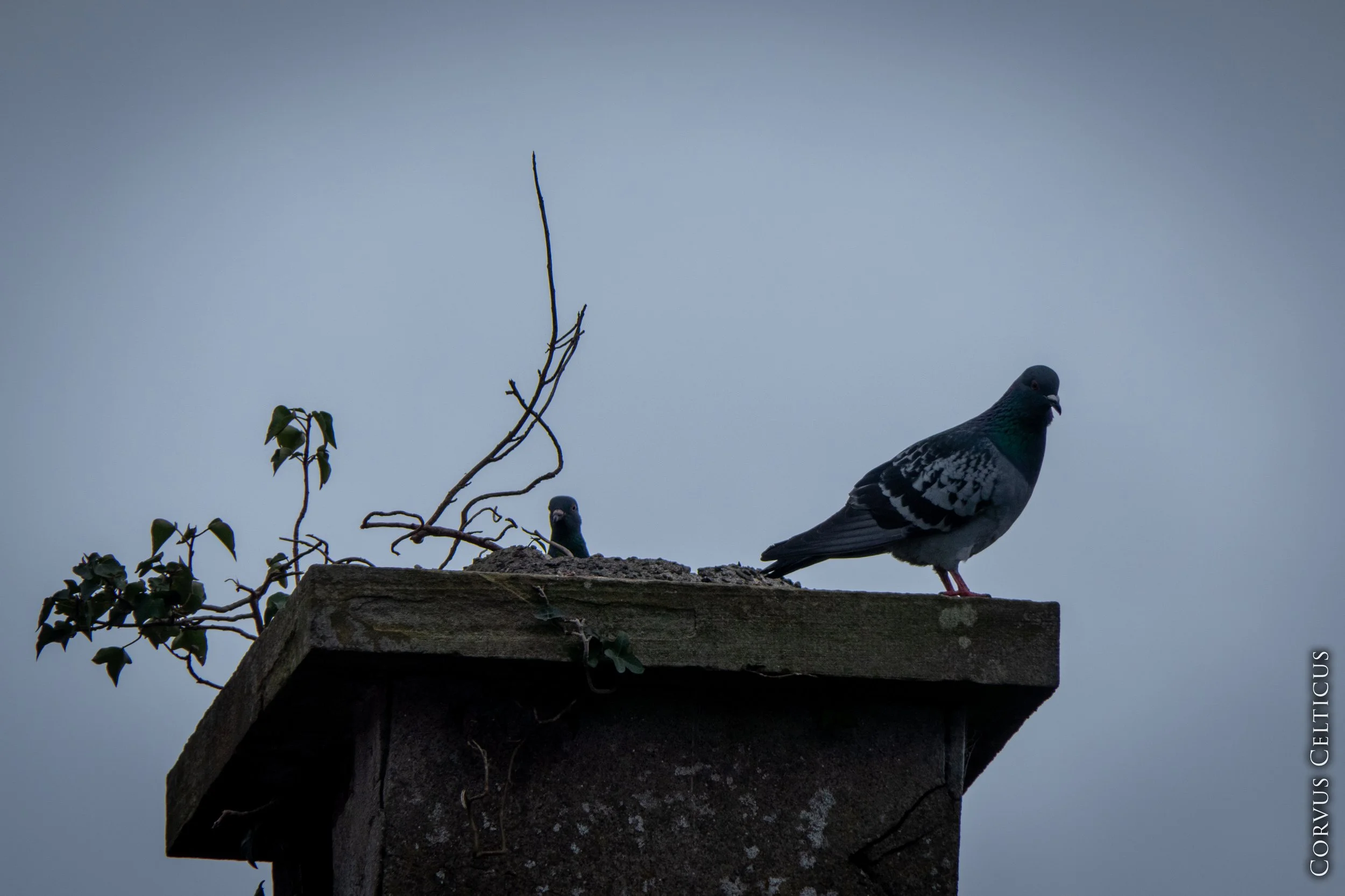
The old church itself adds another layer to the atmosphere. On one of my visits, Saint Elizabeth’s was literally vibrating. Not from any supernatural presence, but from the sheer number of pigeons holed up inside. Watch the entry points for long enough and you will see them returning to their holy sanctuary.
The SparrowHawk and the Pigeon
On my last visit, something more ominous happened. Or perhaps it only felt ominous because I was standing on sanctified ground, watching nature do what nature has always done.
A sparrowhawk caught and fed on a pigeon on top of a grave. I suspect he had also noticed the abundance of these forgotten friends of humans making themselves comfortable around and inside the old church.
There was something stark about it. A place shaped by faith, memory, grief, and human hands, suddenly reminded that nature follows no boundary we draw for it. Not church walls. Not iron railings. Not headstones. Not even the idea of sacred ground.
In that one moment, nature, history, death, and daily life all seemed to meet.
And nature, as always, seemed to have the final say.
The SparrowHawk and the Pigeon
On my last visit, something more ominous happened. Or perhaps it only felt ominous because I was standing on sanctified ground, watching nature do what nature has always done.
A sparrowhawk caught and fed on a pigeon on top of a grave. I suspect he had also noticed the abundance of these forgotten friends of humans making themselves comfortable around and inside the old church.
There was something stark about it. A place shaped by faith, memory, grief, and human hands, suddenly reminded that nature follows no boundary we draw for it. Not church walls. Not iron railings. Not headstones. Not even the idea of sacred ground.
In that one moment, nature, history, death, and daily life all seemed to meet.
And nature, as always, seemed to have the final say.
Dundonald Motte
And before you leave Dundonald, make sure you visit Dundonald Motte, found in Moat Park, just beside the churchyard.
This huge defensive mound dates back to the Anglo-Norman presence in Ulster and is often associated with John de Courcy’s arrival in the area. It is a reminder that Dundonald’s history does not begin and end with the churchyard. From the top, you get a better sense of how closely these pieces of history sit together
The motte is absolutely worth climbing for the view back over Saint Elizabeth’s, the graveyard, and the Cleland Mausoleum. From the top, you get a better view of everything.
But be warned: boots or wellies are recommended. A dry sunny day is even better, and it is not a climb for anyone with mobility issues. The path can be muddy, uneven, and slippery underfoot.
Still, if you are already visiting Saint Elizabeth’s, it would be a shame to miss it.
Watch the original video
A short visual companion to this field note, originally shared on TikTok.
@corvuscelticus What is the tallest Grave in Northern Ireland? We have many beautiful graveyards, cemeteries and mausoleums, but is this Dundonald discovery the tallest grave in Northern Ireland? #northernireland #belfast #hiddenhistory #spooky #graveyard ♬ original sound - Corvus Celticus
Saint Elizabeth’s old churchyard is not just a stop-off for one impressive memorial. It is one of those places where the layers are easy to feel: old graves, more recent ones, ruined stonework, Victorian ambition, birds in the rafters, and the wider history of Dundonald rising around it.
There is a lot here, but none of it feels loud. The Cleland Mausoleum may dominate the graveyard, but the quieter details matter just as much. The man graves, old and new. The Gordon Family Mausoleum. The church slowly giving itself over to weather and wildlife. The pigeons returning to the ruin as if it was built for them all along.
And perhaps that is what makes places like this so compelling. They remind you that history does not simply sit still behind a railing or beneath a headstone. It keeps being lived around. It is weathered, nested in, walked past, climbed over, forgotten, rediscovered, and quietly reclaimed.
Saint Elizabeth’s old churchyard can be a quiet place.
But it is not an empty one.