Life Among the Headstones
I've always had two great loves: exploring old graveyards and spending time among animals and the natural world.
At first glance, they might seem like two rather different interests. One draws me towards the past, to old churches, forgotten burial grounds, weathered headstones and the stories of people whose lives ended generations ago. The other keeps my attention firmly on the living world around me.
Yet, looking back through years of photographs, I've realised just how often these two passions have found their way into the very same frame.
Unexpected Company
Whenever I visit an old graveyard, I'm naturally interested in its history. But I'm also very easily distracted by the animals I encounter. Sometimes, what starts as a visit to photograph ancient headstones becomes an opportunity to spend time quietly observing the wildlife living among them.
A rabbit sitting in front of a grave at Easter is one of those wonderfully simple scenes that makes me smile. There is something almost storybook-like about the encounter, particularly against a backdrop of old stone and history.

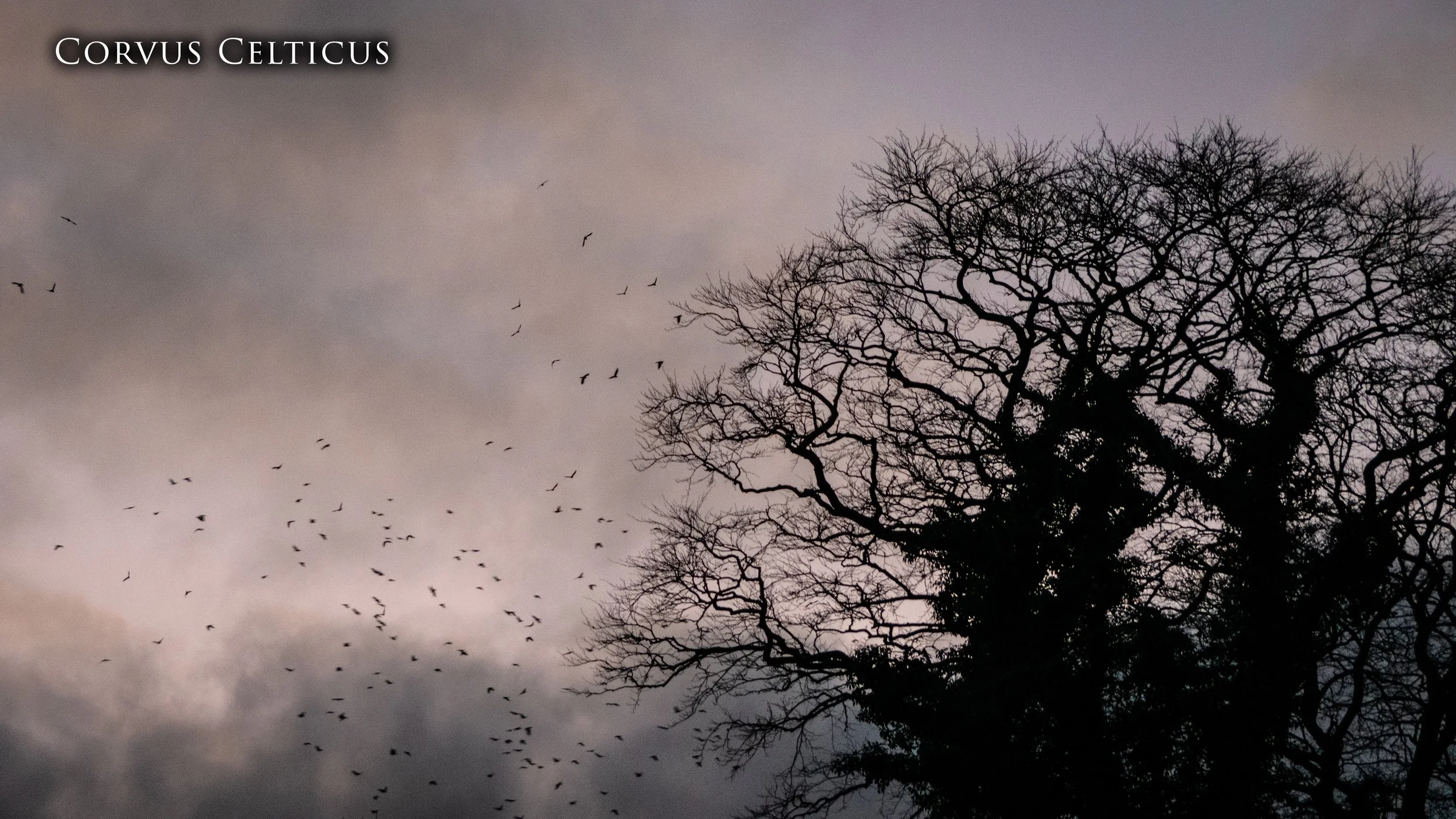
Then there are the birds. Crows and rooks have long been associated with graveyards, ruins and the darker side of folklore, which perhaps makes them particularly fitting companions on my travels.
But beyond the symbolism, I simply love watching them. Their intelligence, curiosity and personalities are fascinating. A crow calling from the top of an old gravestone is not only an atmospheric sight, but also a reminder that these are living, active places rather than landscapes frozen in time.

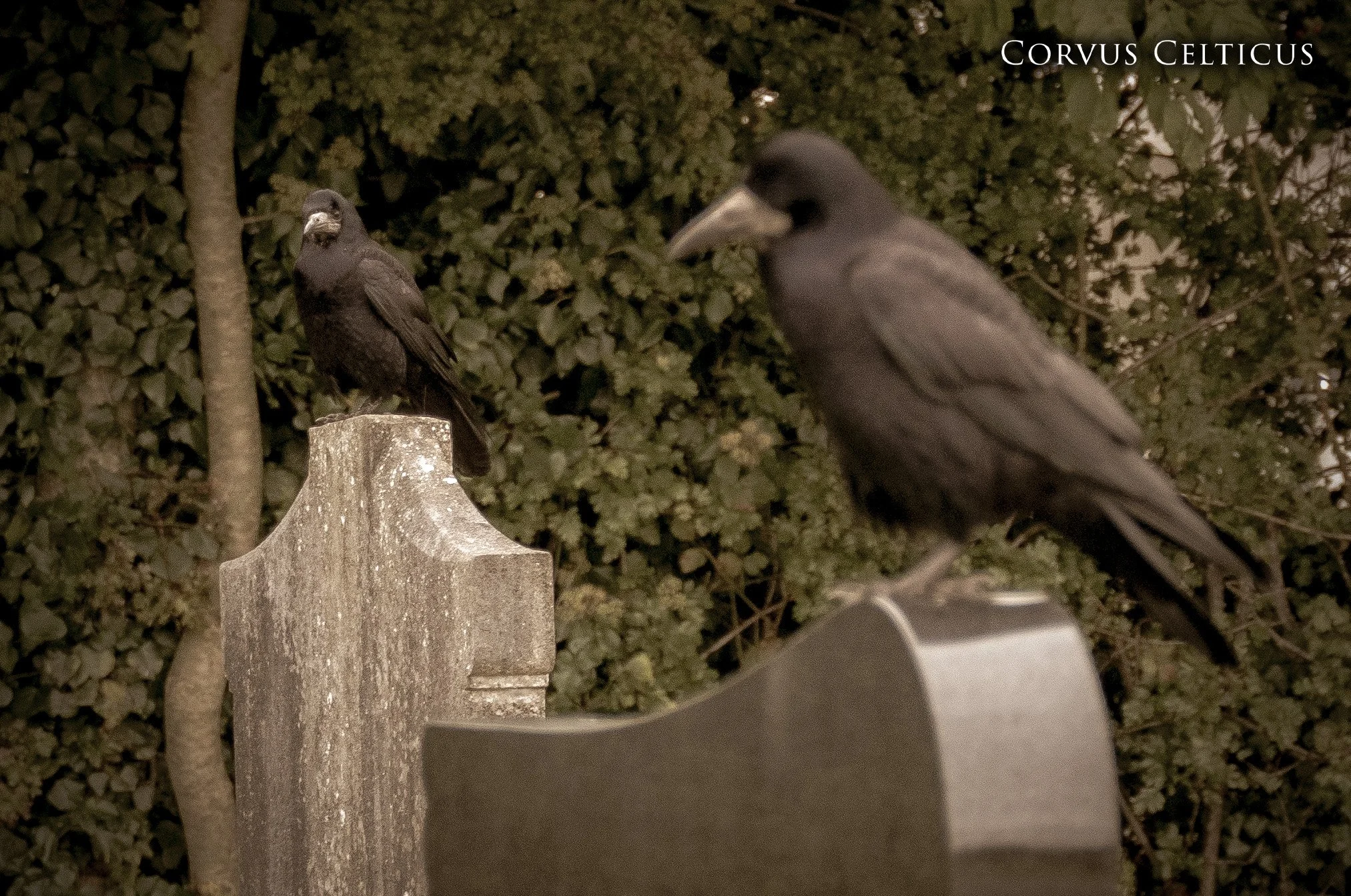
On another occasion, two rooks perched on neighbouring gravestones caught my attention. One appeared to be looking directly towards the other, creating a moment that seemed almost conversational.
It's these little interactions that make wildlife photography so enjoyable. You can never entirely predict what you'll witness.
Life Goes About Its Business
Not every animal encounter is particularly dramatic. Often it's simply a case of watching wildlife going about its everyday business, completely indifferent to the historical significance of its surroundings.
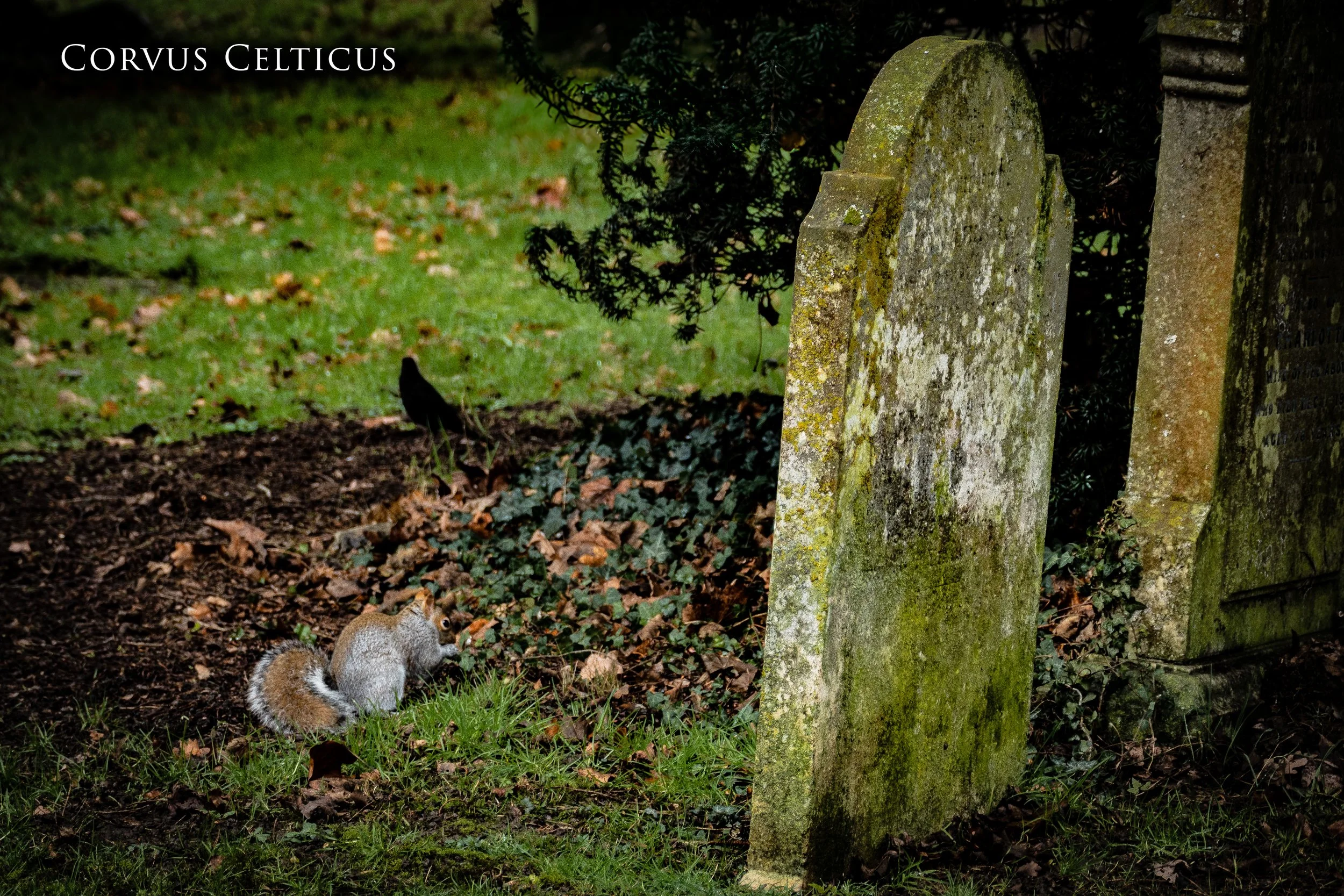
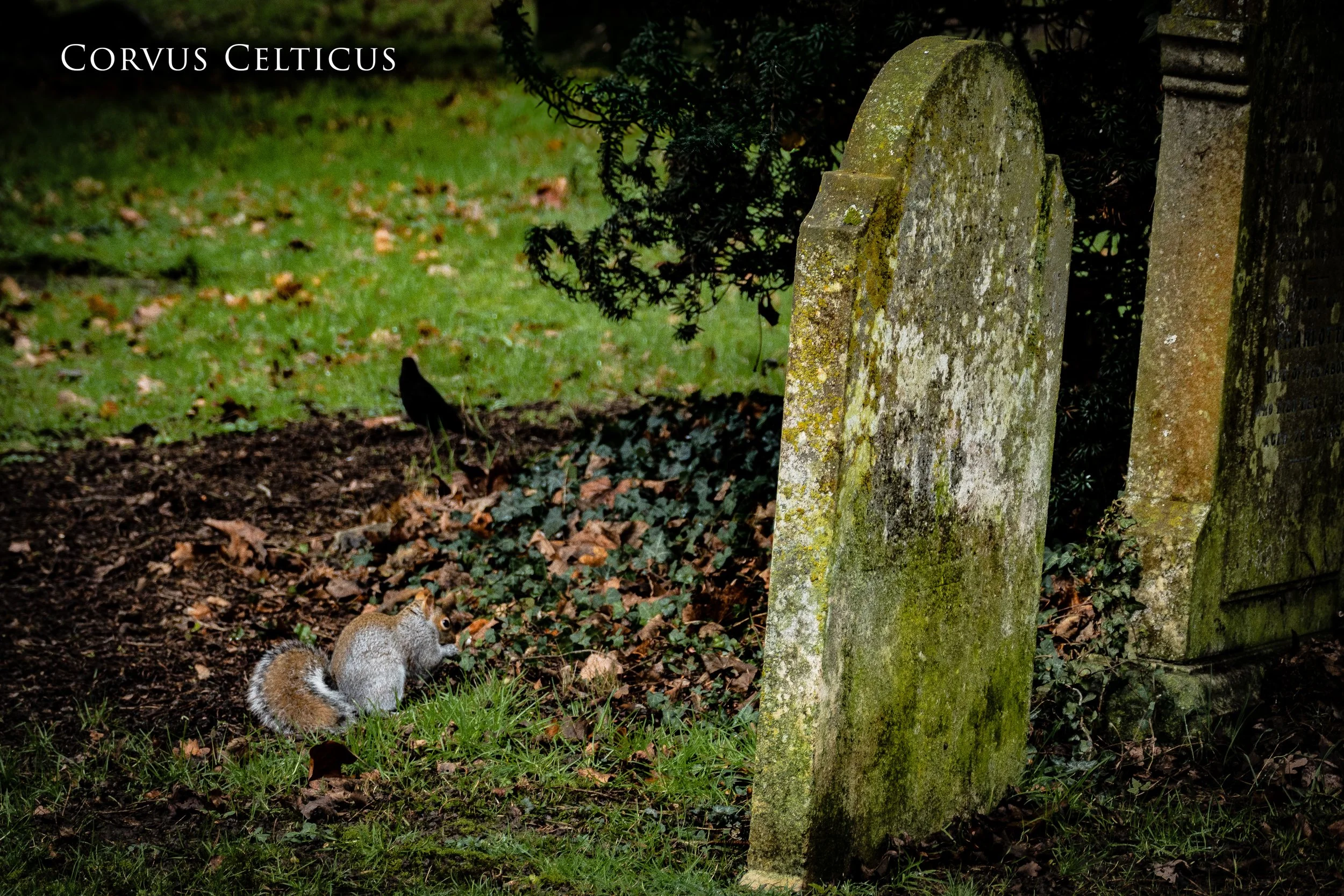
Squirrels, for example, seem entirely at home among old burial grounds. I've photographed them eating among the headstones and even sitting comfortably on top of an old stone tomb, enjoying a nut without the slightest concern for where they've chosen to have lunch.

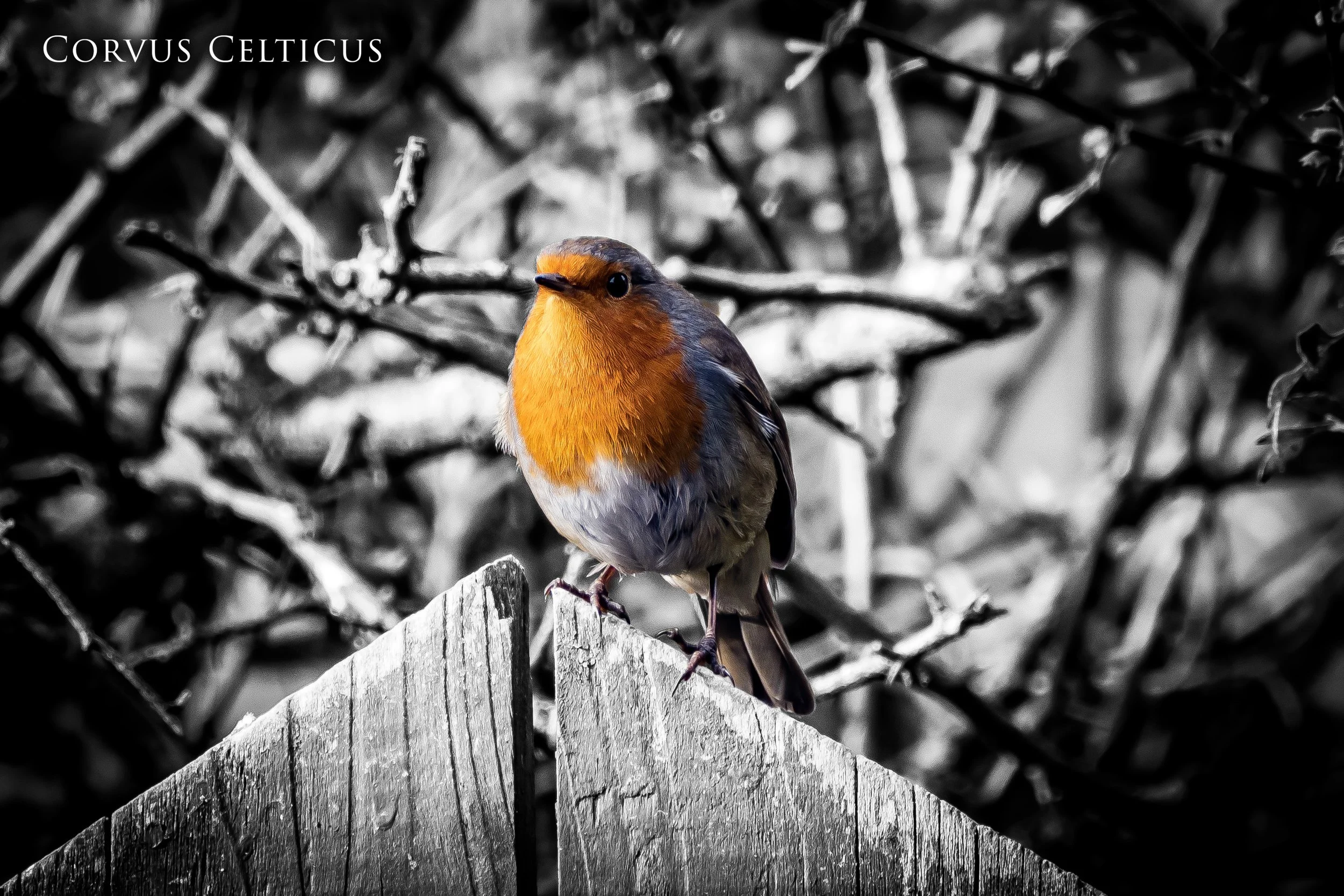
And of course, there's the robin. Small, inquisitive and remarkably bold, robins have a wonderful habit of appearing close by when you're quietly exploring.
One particular robin seemed perfectly happy to pose for a photograph while perched on a fence. Moments like these might not reveal anything about the history of a place, but they are just as memorable to me as the historical discoveries.
Shelter Among the Stones
Some of my favourite wildlife encounters have involved the smallest creatures.
One particularly memorable discovery was finding two ladybirds nestled against the iron surround of a 19th-century grave, sheltering from the frost and snow.
There's something rather touching about that image. Ironwork placed around a grave generations ago, intended to mark and protect a place of remembrance, had become a safe winter refuge for two tiny living creatures.
It was a small, easily overlooked detail, but exactly the sort of thing that reminds me why I enjoy taking the time to explore these places properly.

Beyond the Graveyard Walls
My appreciation for the natural world doesn't stop at the graveyard boundary. Many of the old burial grounds I explore sit within beautiful rural landscapes, where the surrounding fields, trees and animals are every bit as captivating.
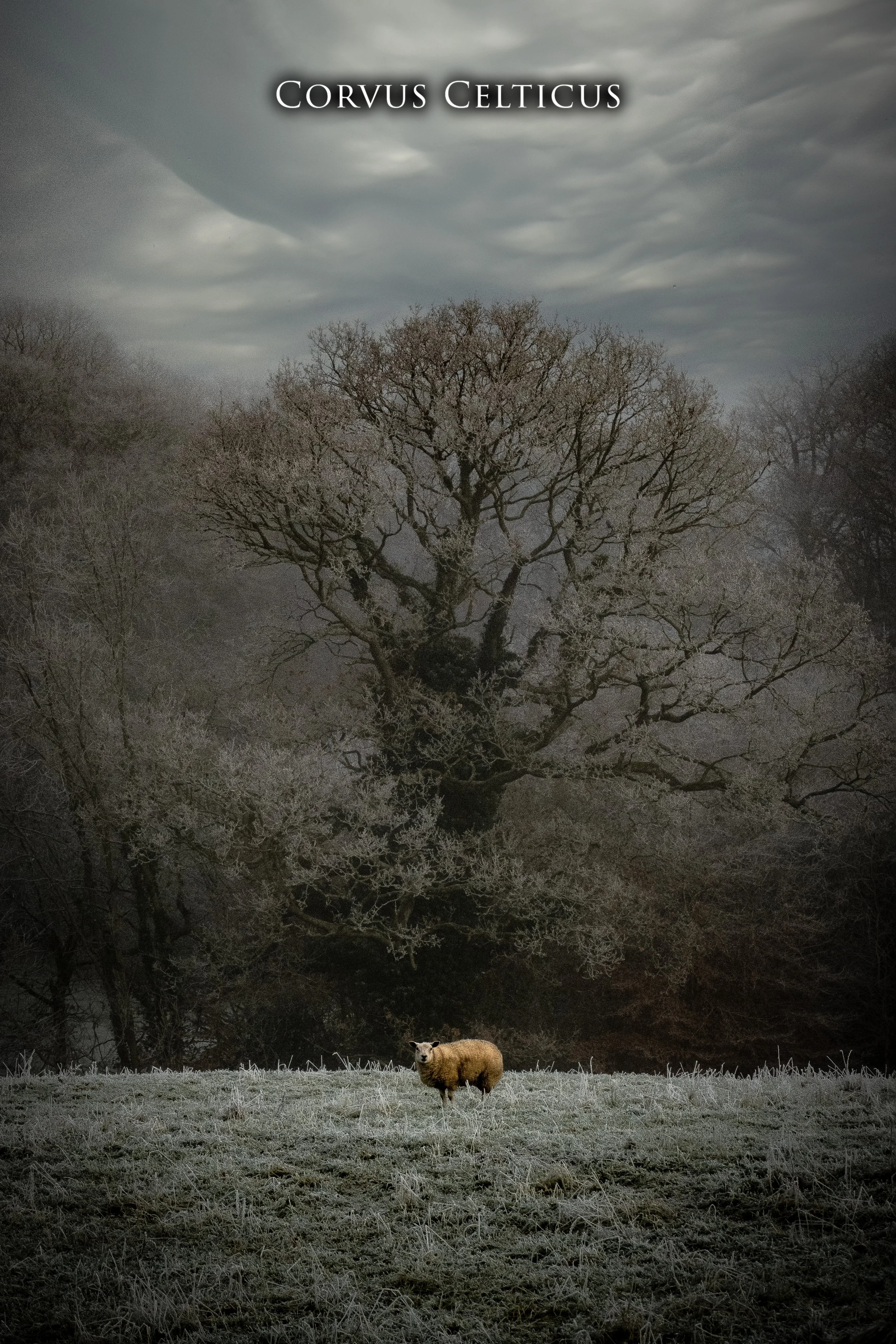
One photograph that has stayed with me shows a lone sheep standing before a magnificent tree in the depths of winter. No other animals in sight, just that solitary figure against a wonderfully stark and peaceful landscape.
I love photographs like this. There's no need for anything elaborate. Sometimes the simplest rural scene is enough to make you stop and appreciate your surroundings.

Another favourite is a herd of cattle standing together in a field, with the church spire on Church Island visible behind them.
To me, it captures something particularly lovely about the countryside here in Northern Ireland. Ordinary rural life unfolding against a backdrop of history, where places of worship and remembrance have been part of the landscape for generations.

Two Passions, One Journey
Looking back through these photographs has reminded me that my interest in old graveyards has never been entirely separate from my love of animals and nature.
I might set out hoping to uncover a forgotten story, photograph a centuries-old headstone or explore the remains of a ruined church. But I'm just as likely to return home delighted by a curious bird, an unexpected animal encounter, or a quiet moment in the countryside.
The history will always matter to me. These are places deserving of respect, care and remembrance. But appreciating the wildlife that inhabits them has become just as important a part of the experience.
For all their associations with death, loss and remembrance, old graveyards are often places filled with life. And the more time I spend exploring them, the more I appreciate both sides of that story.
Perhaps that's what I love most about these places. There's history beneath our feet, life all around us, and always something new to discover if we take the time to look.