Mallusk Old Burial Ground
Body snatching, rebellion
and much more…
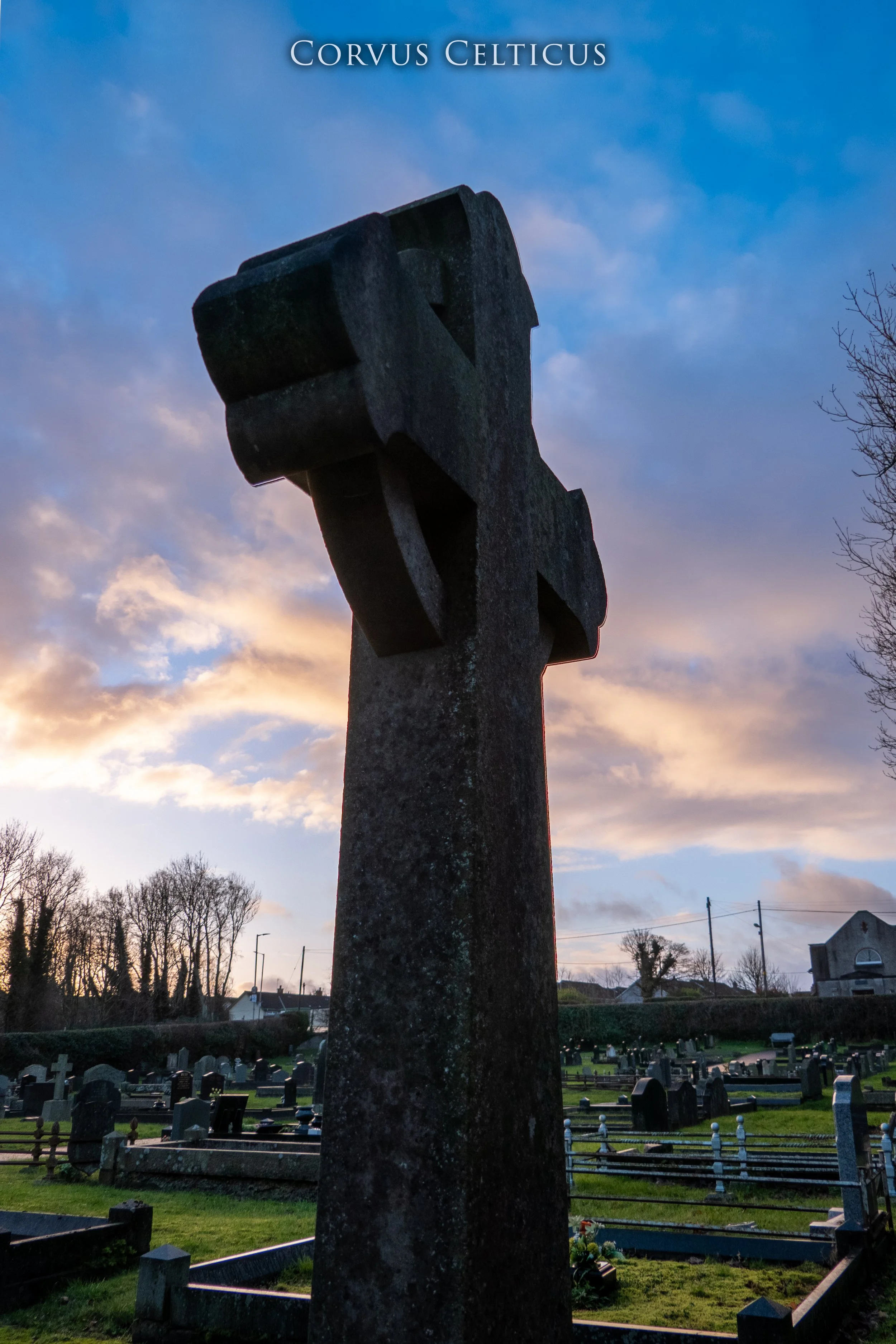
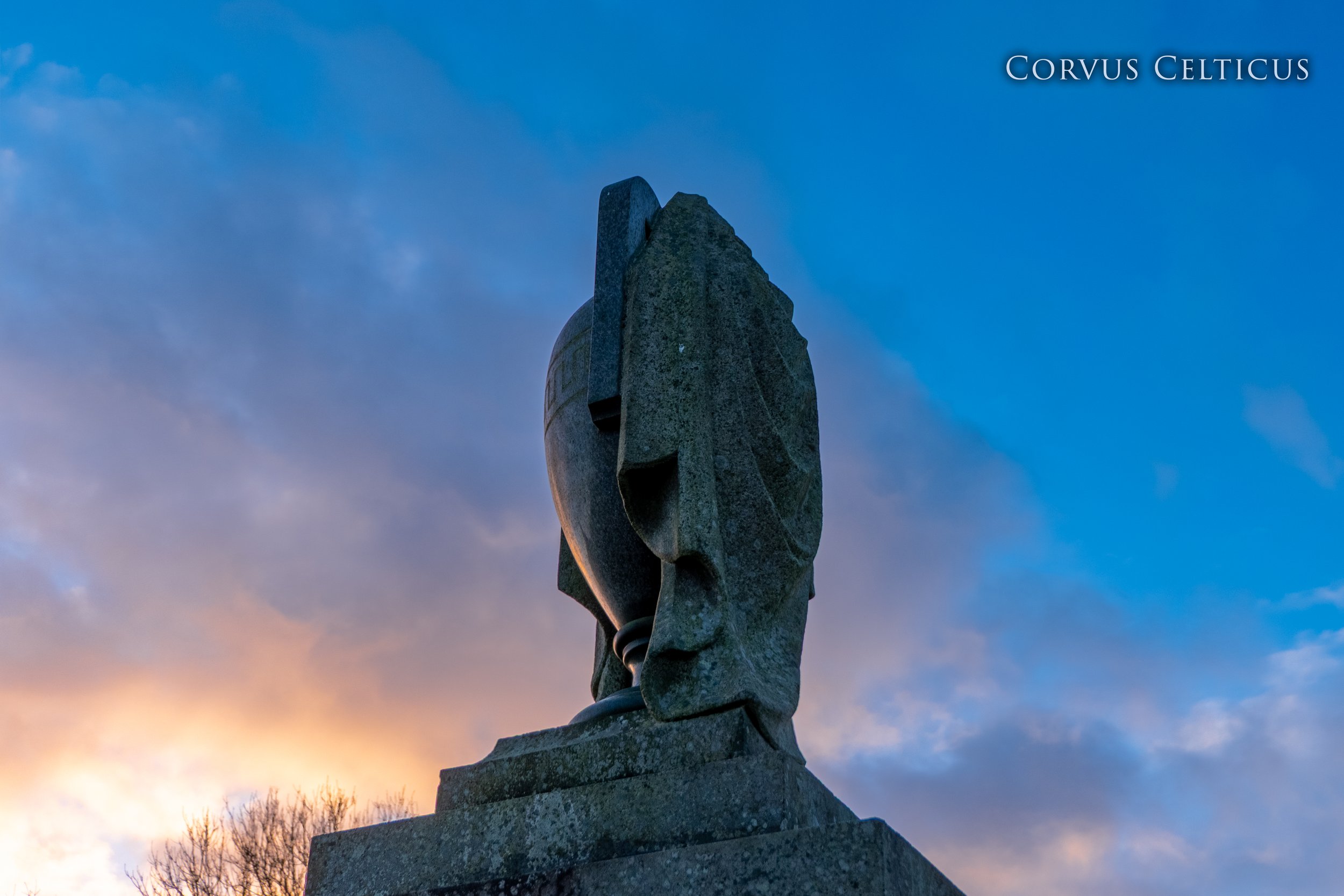
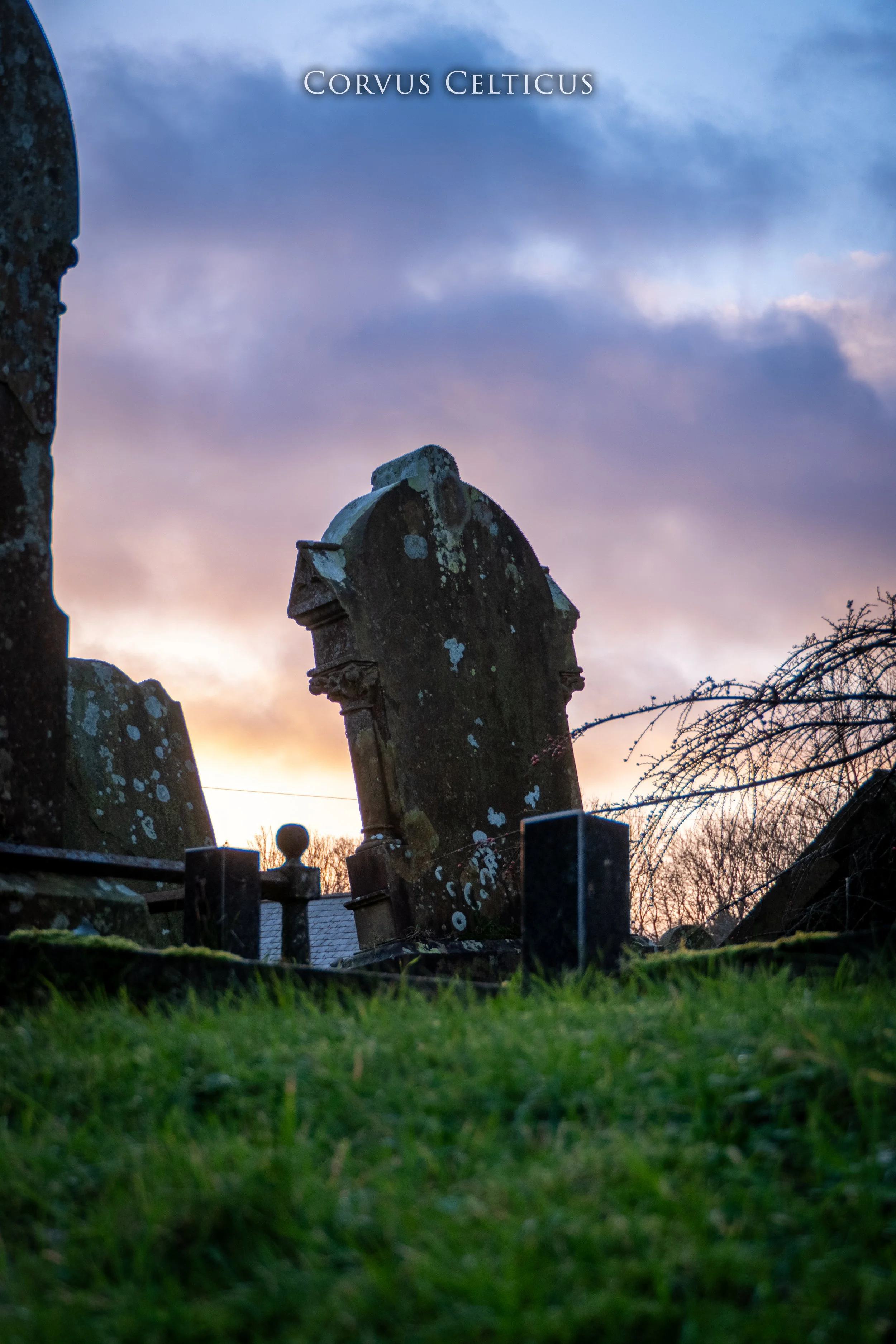
Mallusk Old Burying Ground is a place shaped by centuries of local history, its weathered headstones recording generations of the people who lived, worked and died in the surrounding area.
Like so many of Ulster’s older burial grounds, time has left its mark here, with inscriptions slowly fading and nature reclaiming parts of the site, yet there is still an extraordinary amount of history waiting to be noticed among the stones.
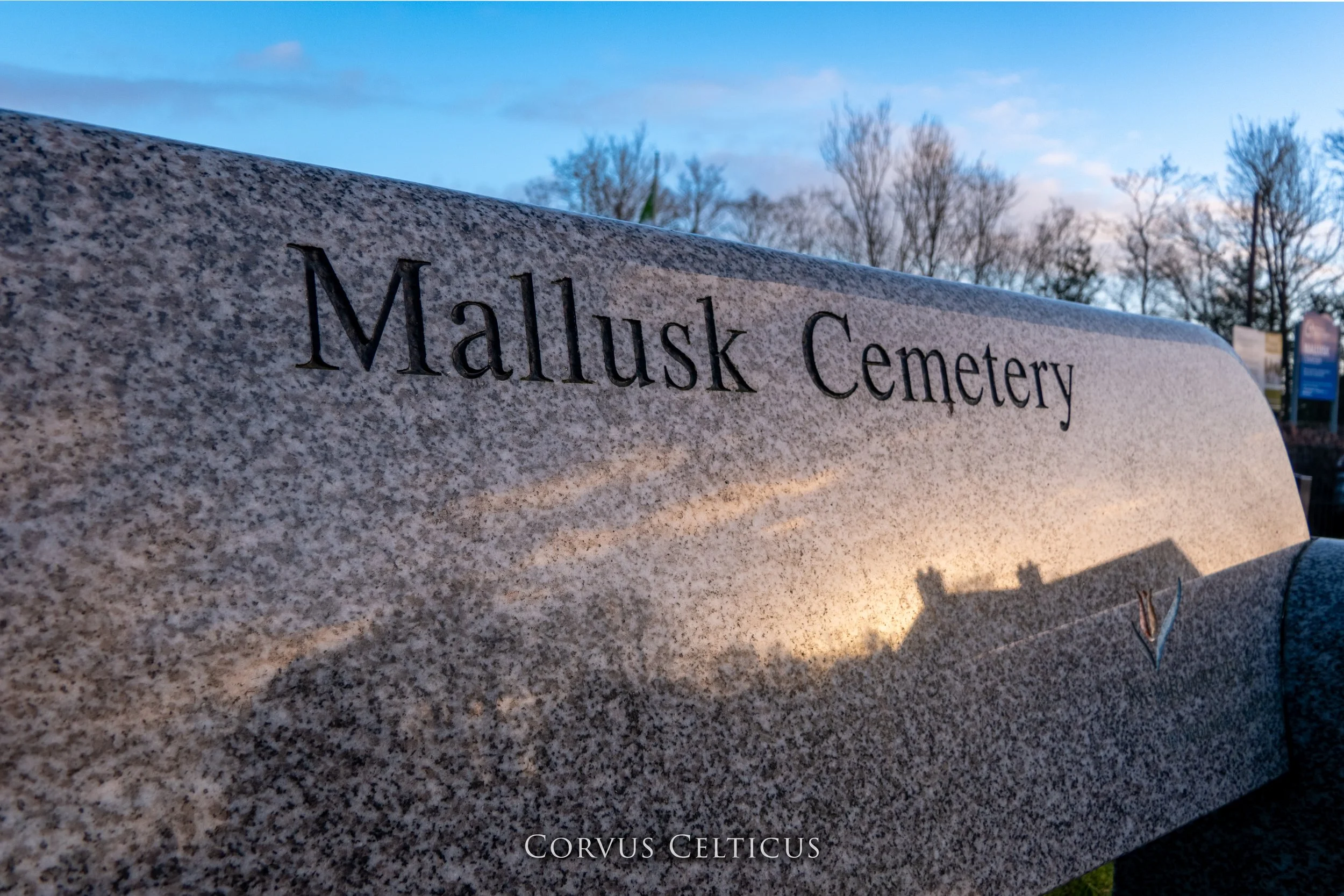
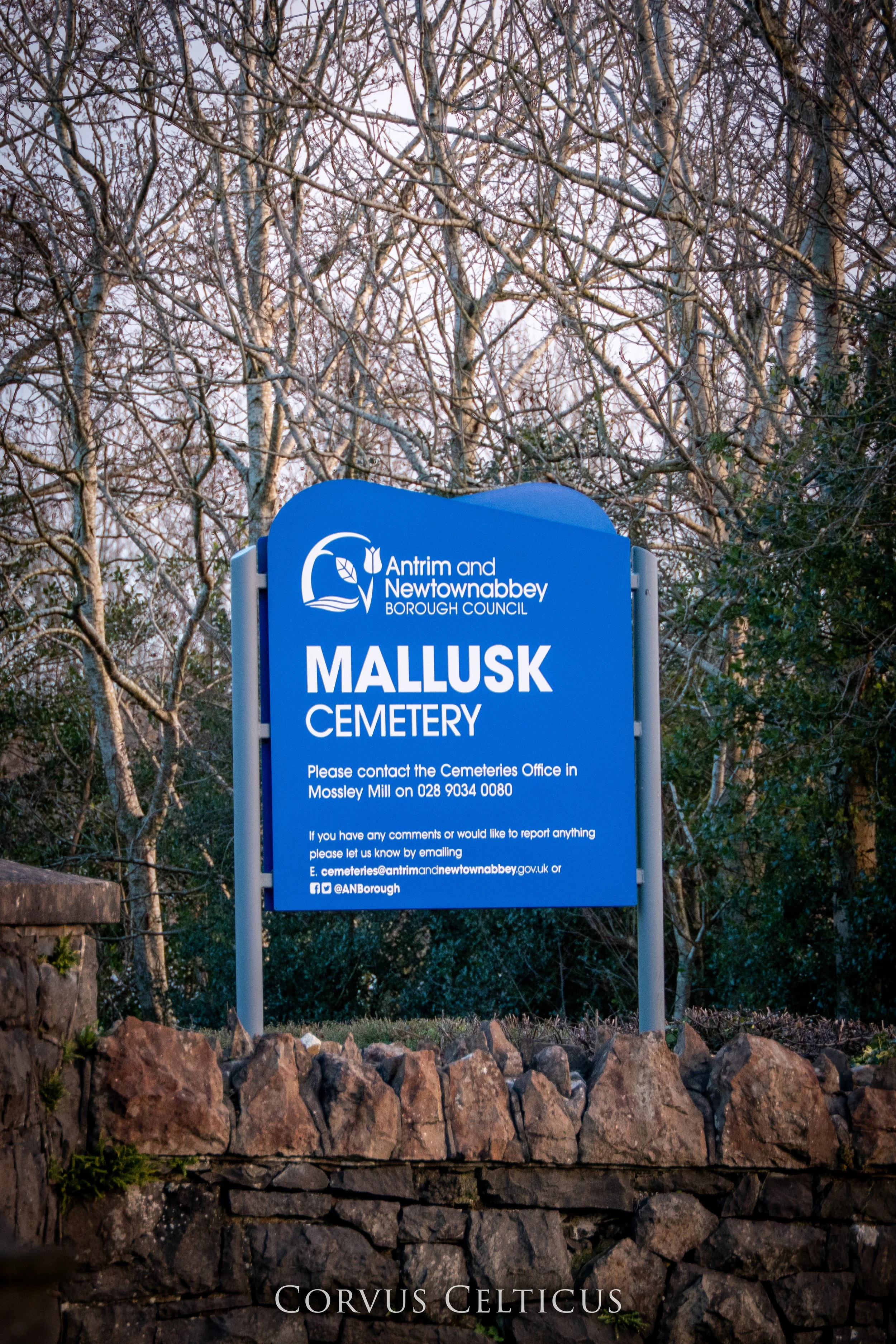
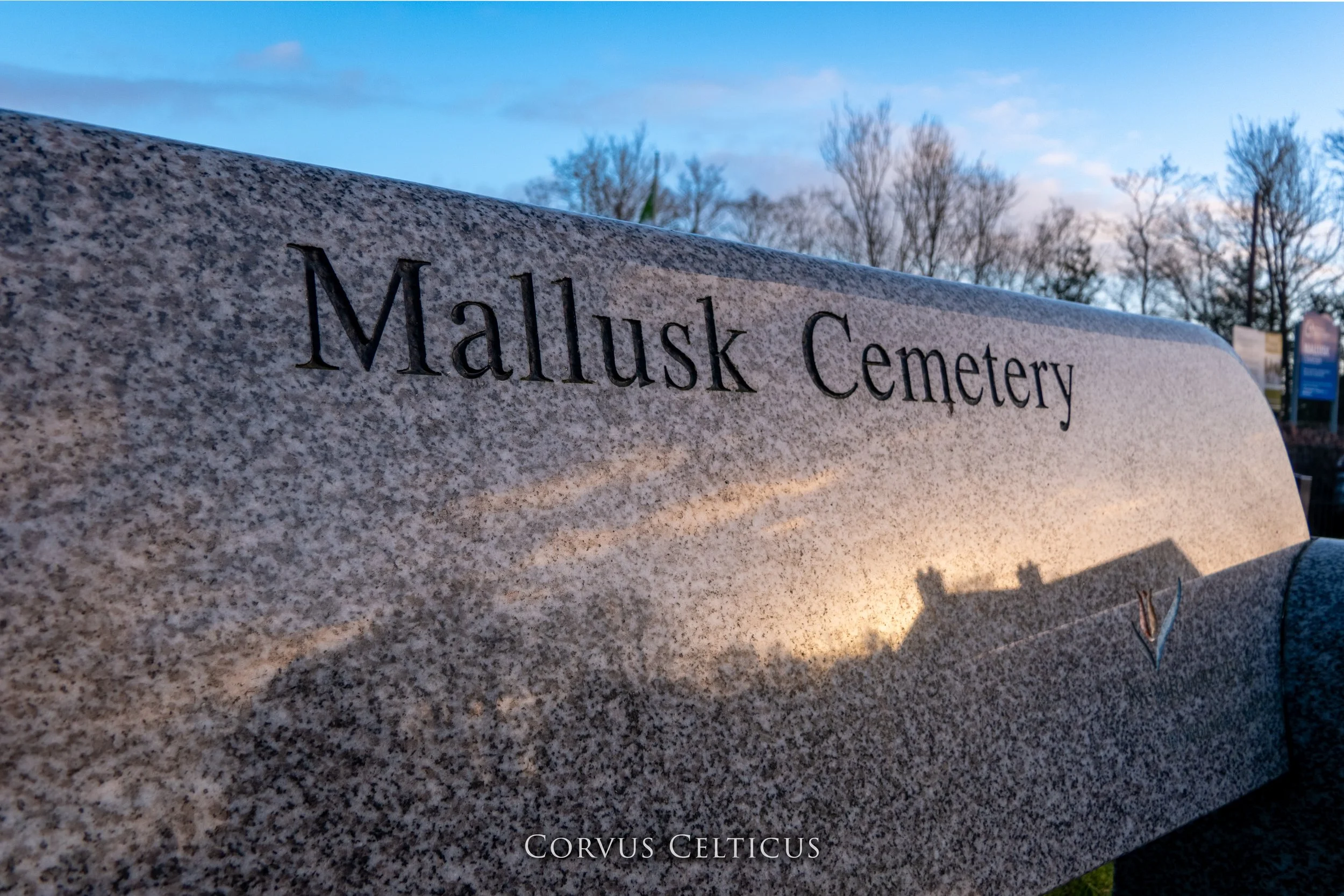
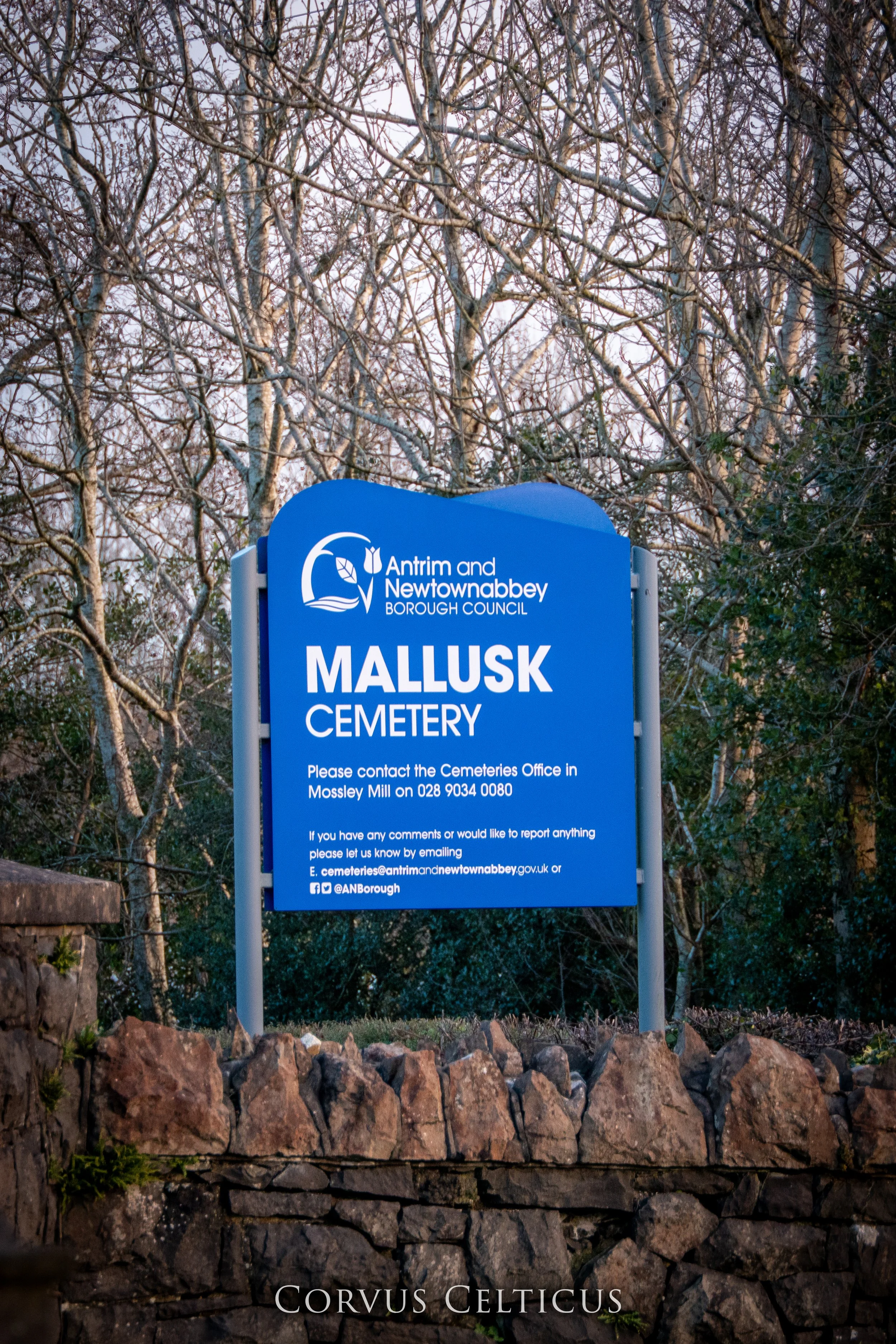
After spending some time reading into the area and the history contained within it, I decided it was time to pay a visit to Mallusk Old Burying Ground for myself. Unless you’re local to the area, you could quite easily pass by without ever knowing it was there. Parking at the front gate is very limited, and Park Road can be busy, so a little caution is advised when arriving and leaving. You’ll know you’re in the right place when you spot the large blue Antrim and Newtownabbey Borough Council sign at the entrance.
Before seeking out any of the stories and historical curiosities I’ll come to shortly, I’d thoroughly recommend simply taking a quiet walk around the grounds first. There’s a real charm to Mallusk that deserves to be appreciated in its own right. Take your time, wander among the old stones and get a feel for the place before looking for anything in particular. Sometimes that’s the best way to experience these old burial grounds.
The Resurrection Lamp
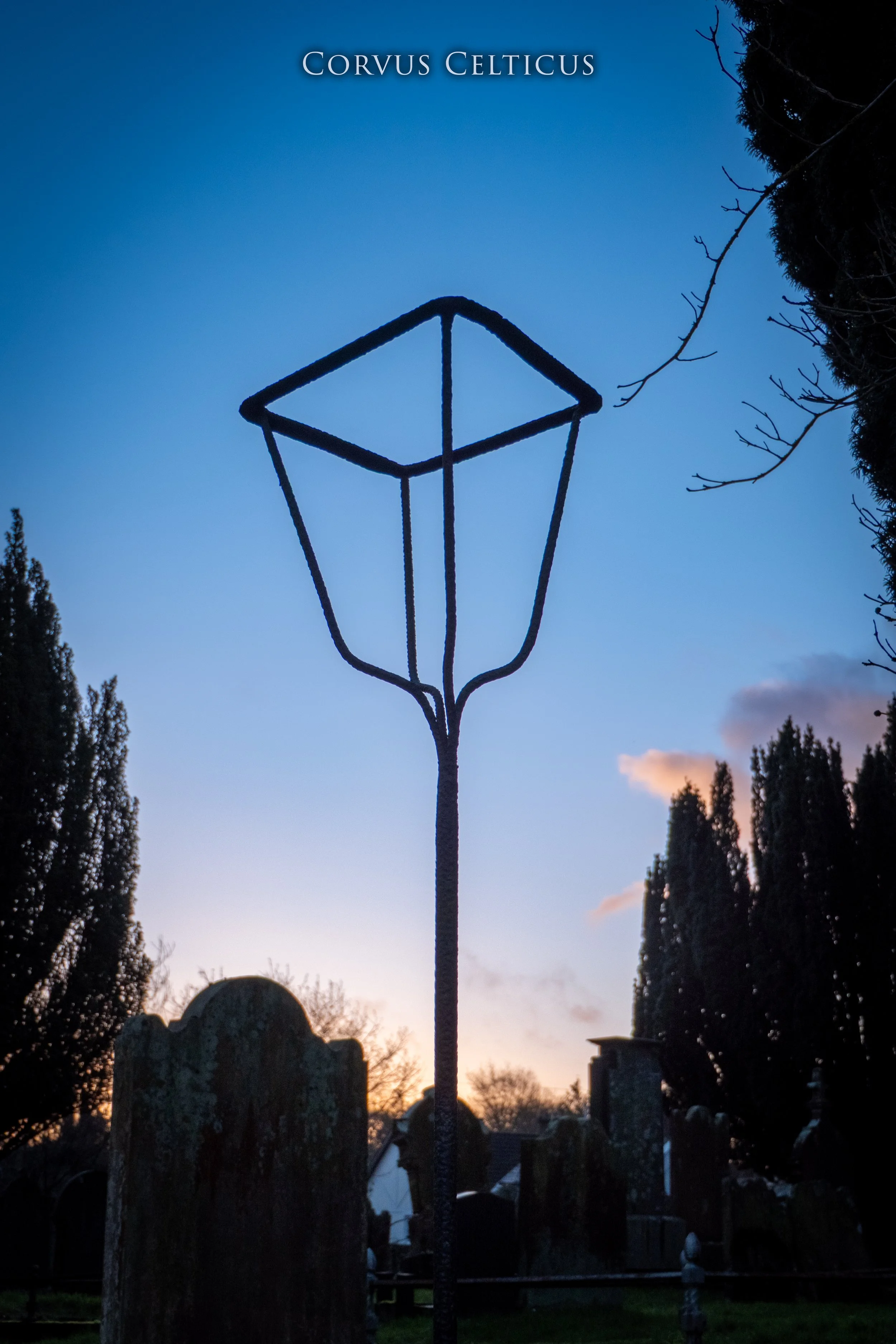
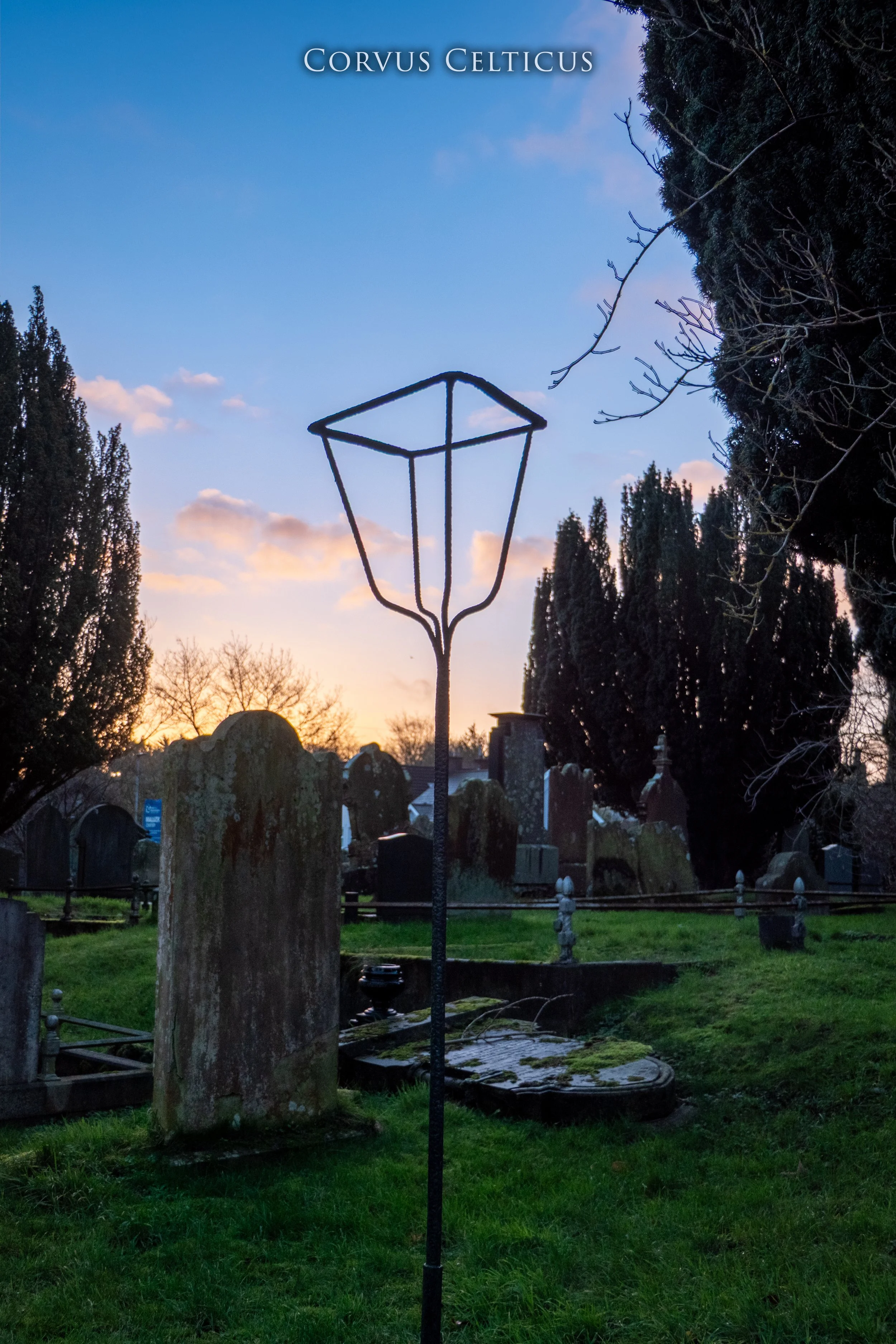
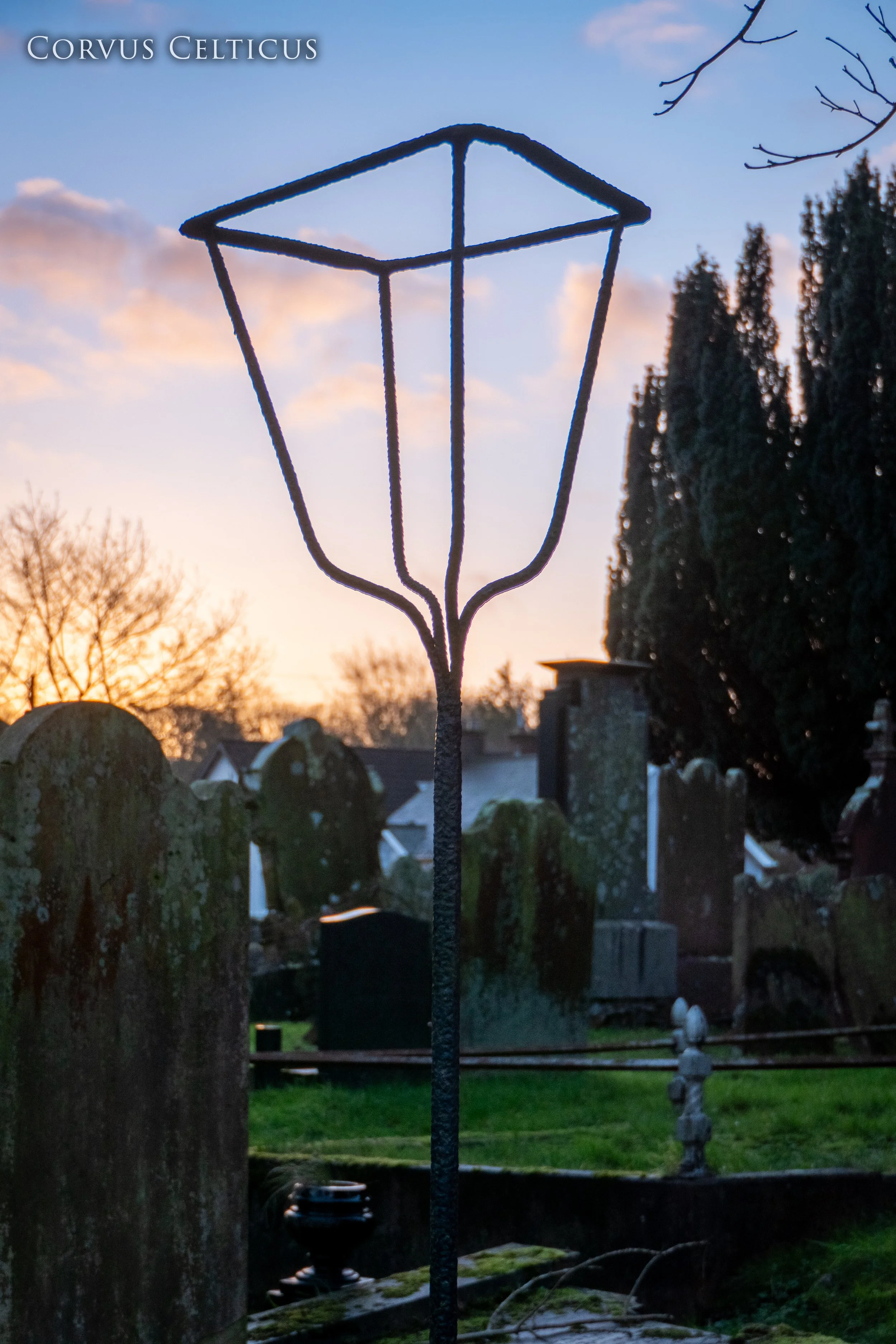
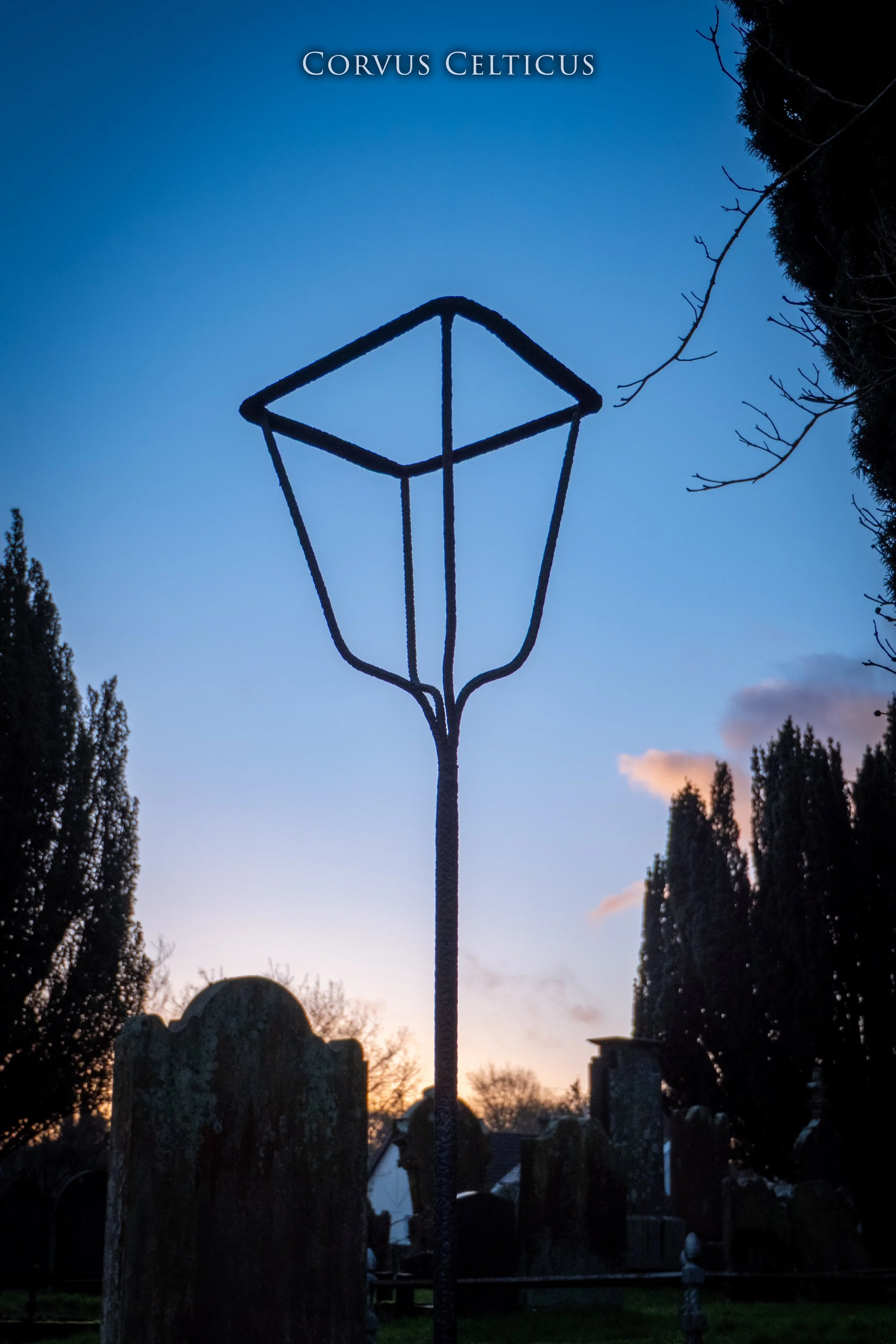
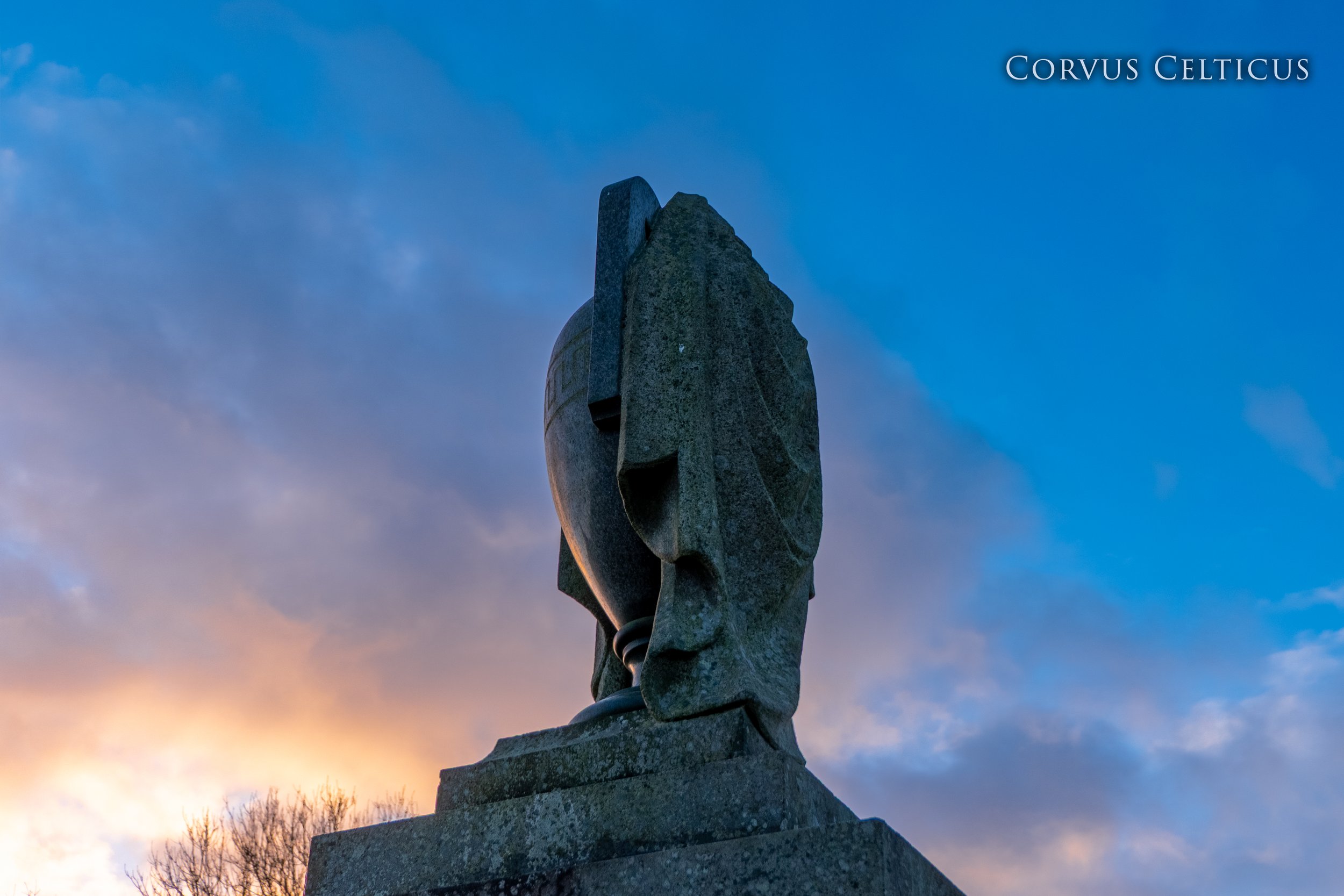
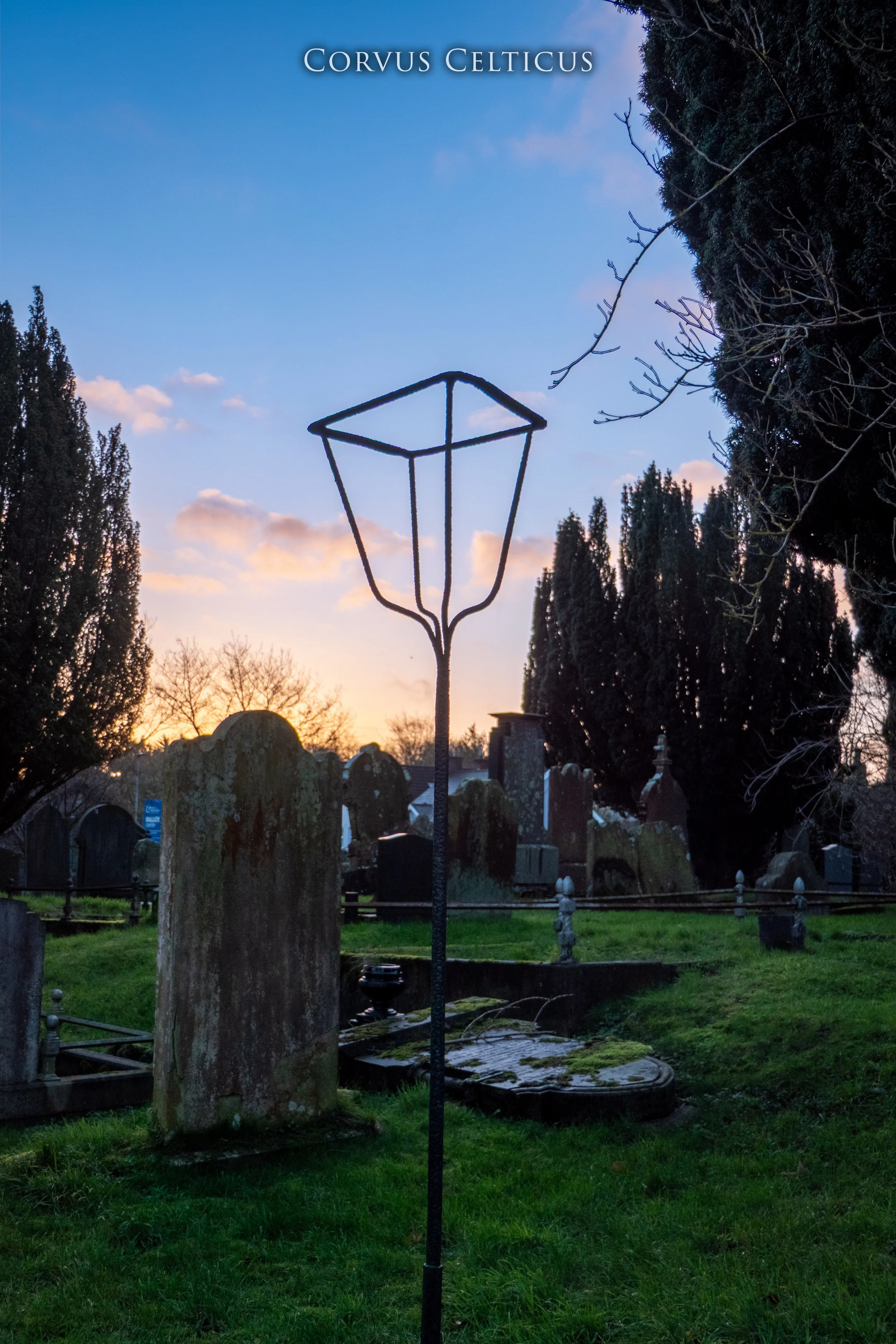
Perhaps the most unusual feature at Mallusk is the resurrection lamp, a surviving relic from the age of the Resurrectionists, or body snatchers.
In the early nineteenth century, the demand for fresh human remains for anatomical study created a very real fear that the newly buried could be disturbed and stolen from their graves.
For grieving families, burial did not always mean the end of their worry.
The lamp was positioned within the burying ground and kept burning through the night, casting light across the graves and making it far more difficult for anyone to work unseen under the cover of darkness.
At a time when grave robbing was a genuine concern, measures such as lamps, watchmen and other forms of protection were used to guard recent burials until the bodies were no longer considered useful to the Resurrectionists.
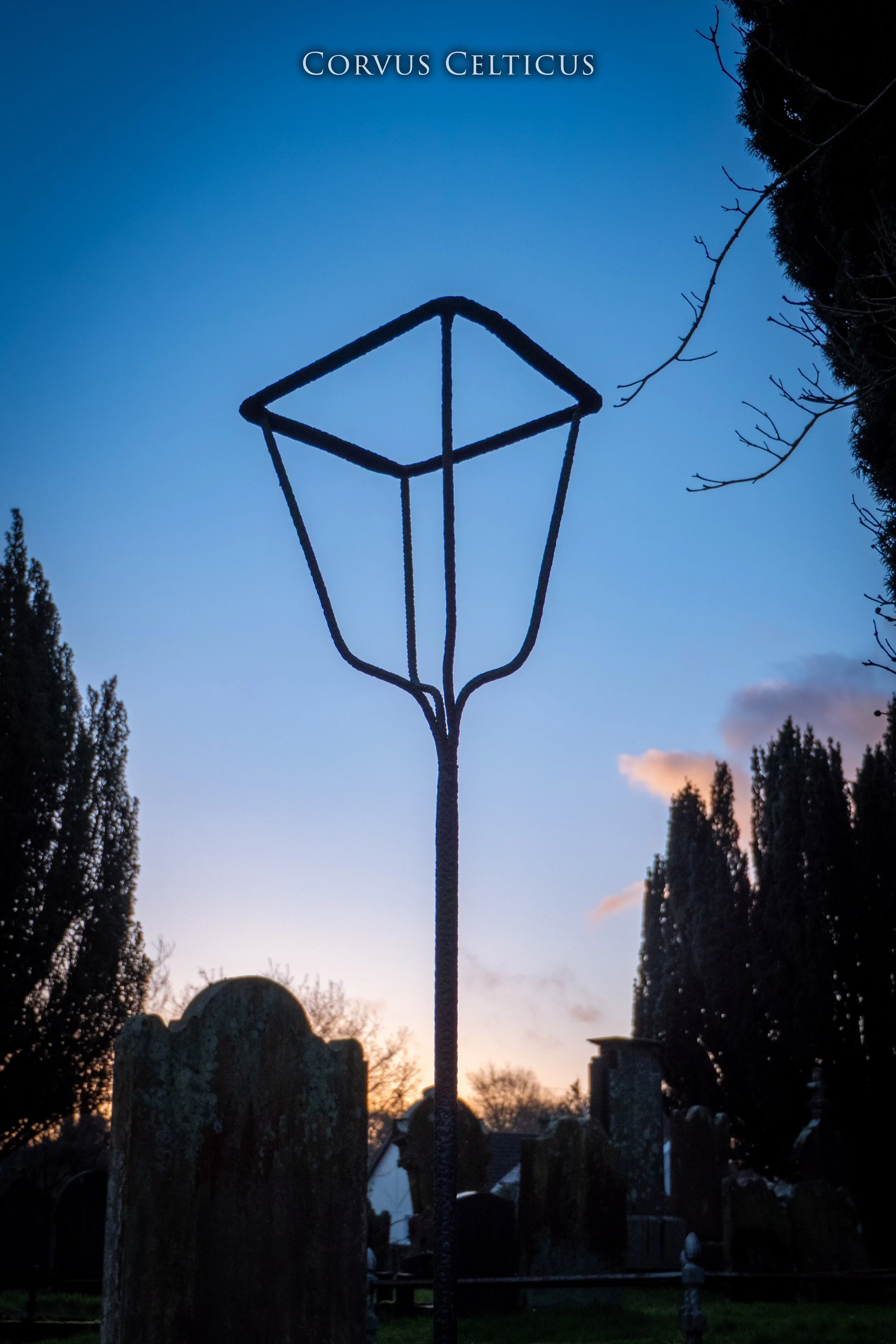
Standing there today, it is easy to overlook it as little more than an unusual piece of old graveyard furniture, but its purpose tells a much darker story.
It is a reminder that, for a period in our history, the dead sometimes had to be protected long after the mourners had gone home and the grave had been closed.
That, for me, is what makes the resurrection lamp at Mallusk so fascinating. It is not simply an object from the past, but a surviving piece of evidence from a time when fear of what might happen after burial was very real.
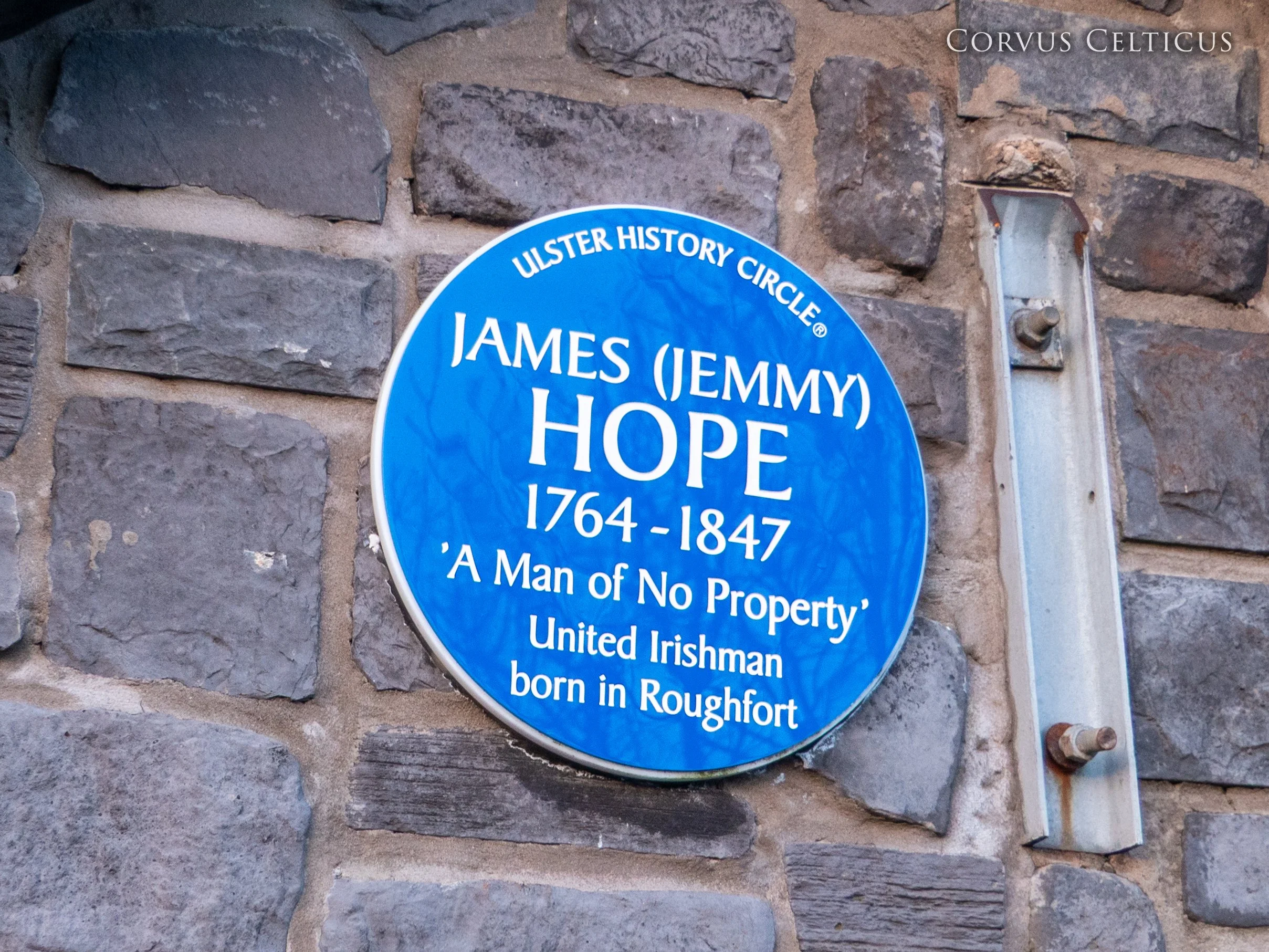
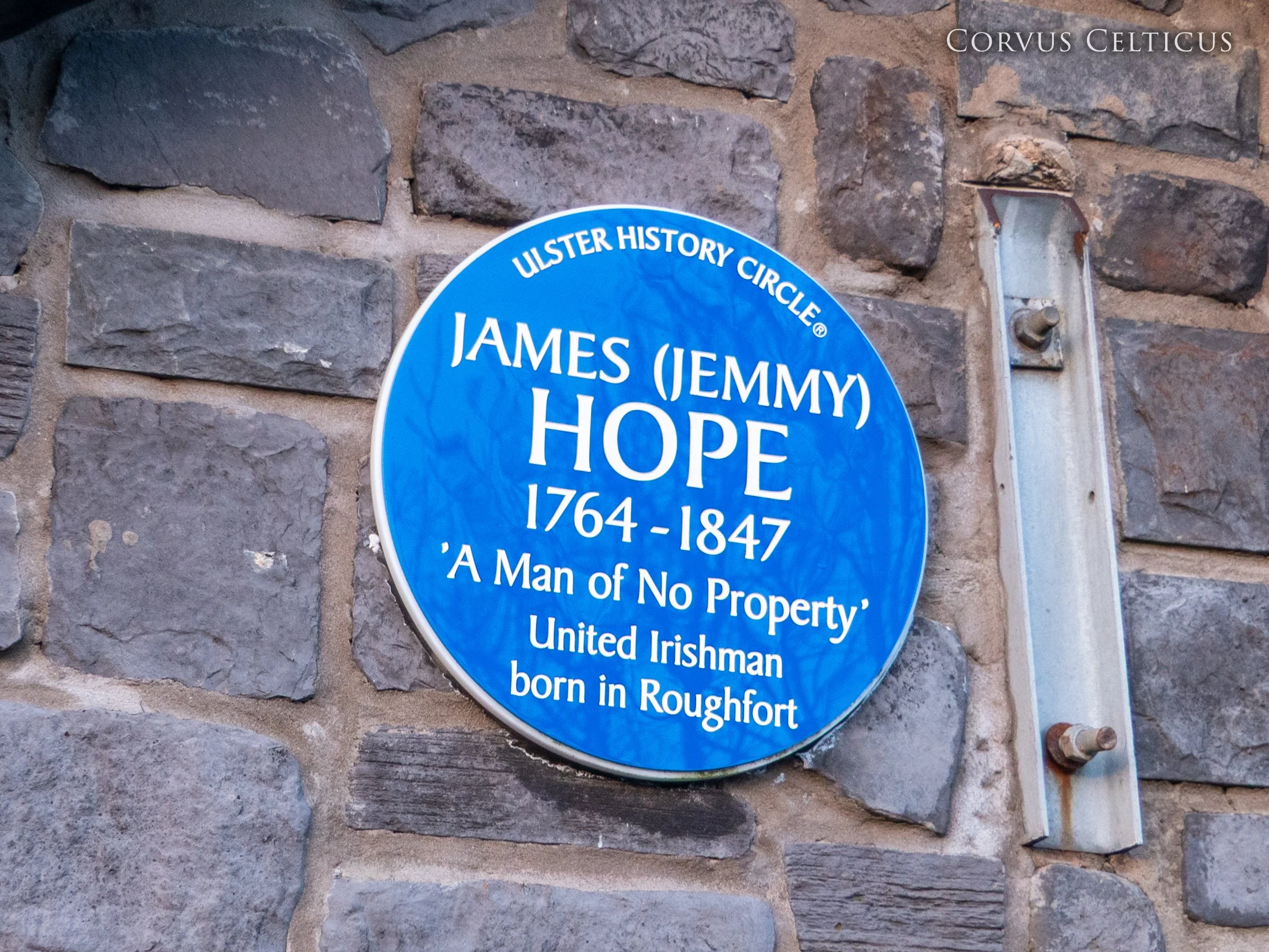
James “Jemmy” Hope - United Irishman
“A man of no Property”
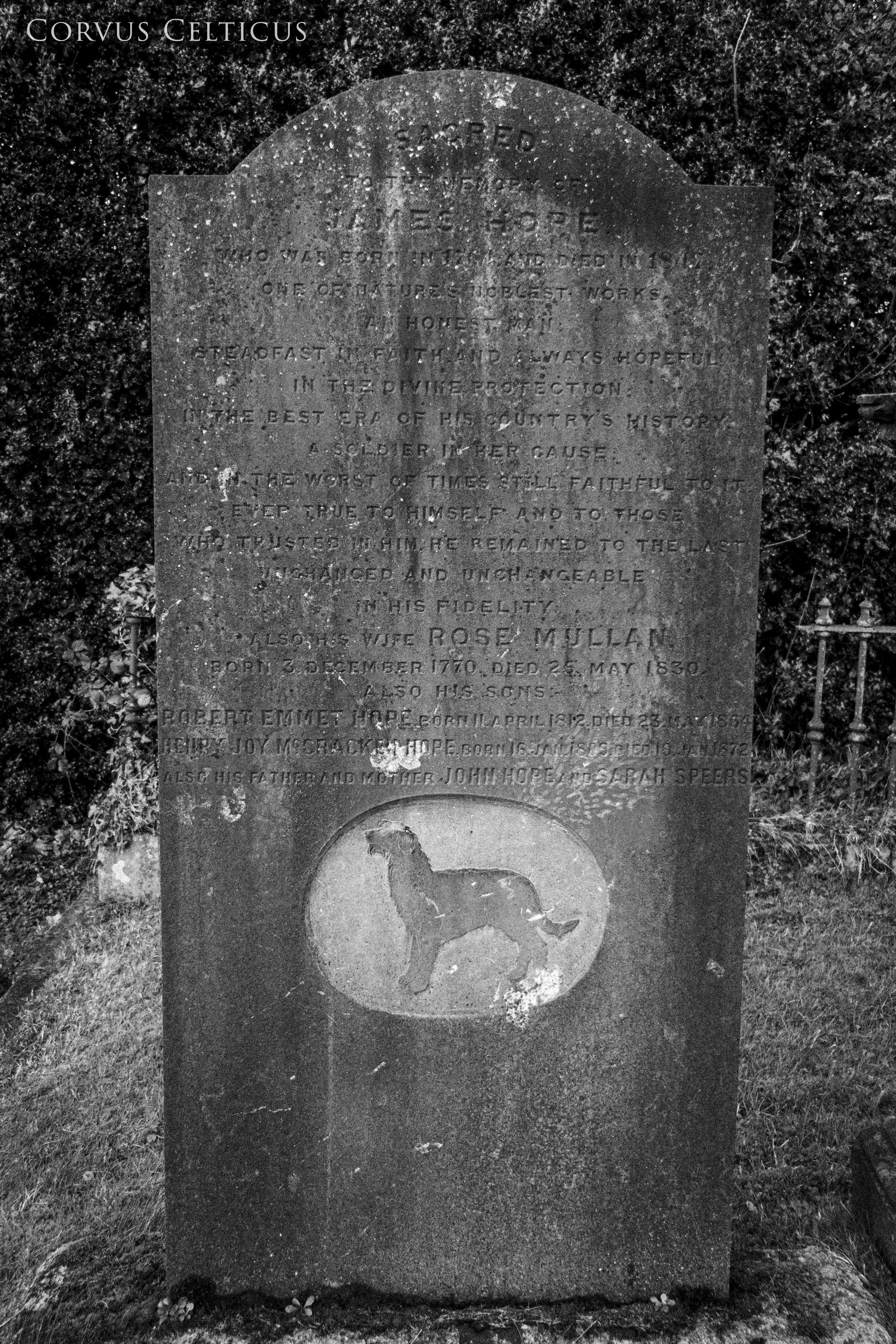
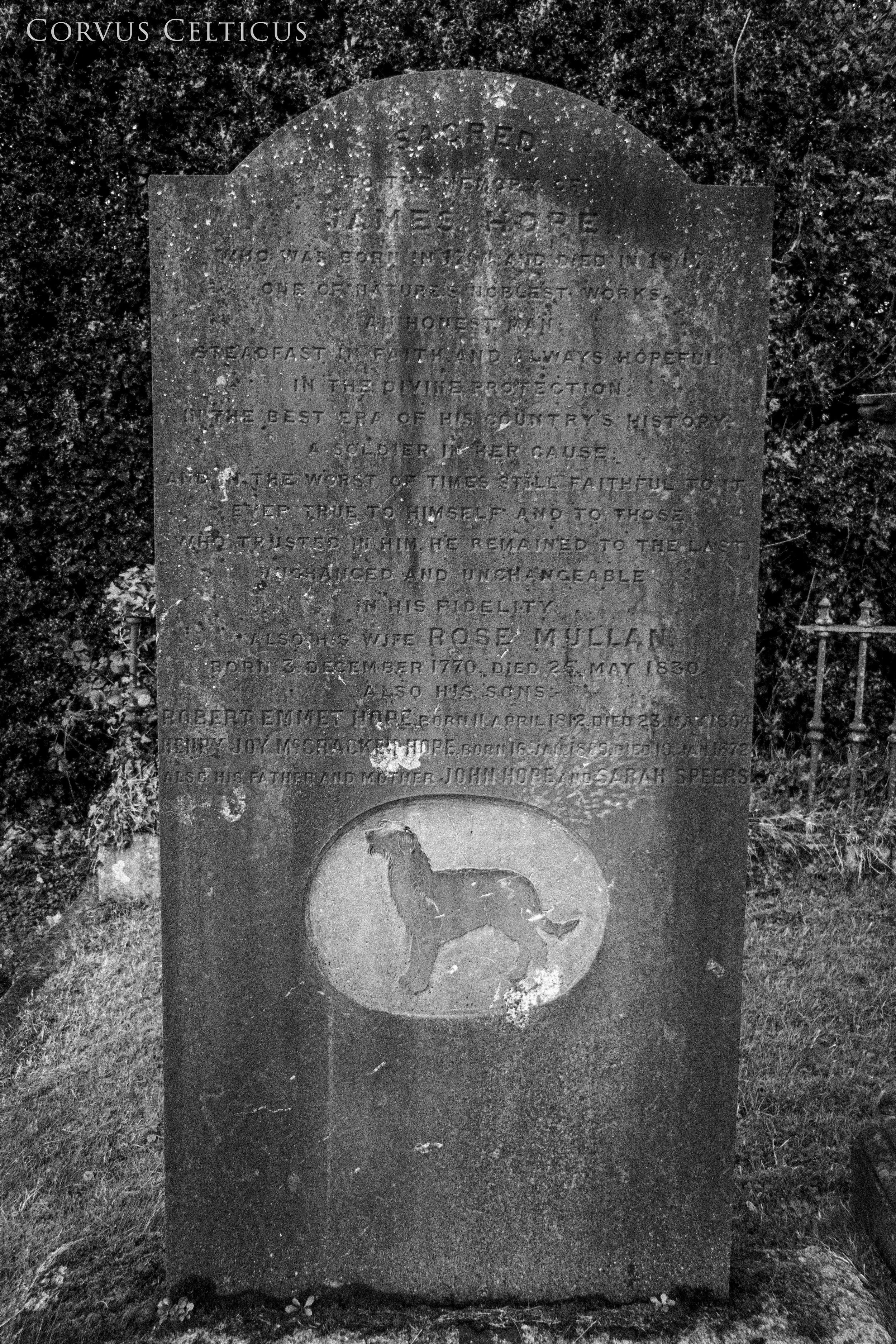
The graveyard is also the final resting place of James “Jemmy” Hope, one of the United Irishmen of 1798 and a man closely associated with Henry Joy McCracken. Hope was far more than simply another name connected to the rebellion. He became known for his strong political convictions, his belief in equality and his commitment to the United Irish cause, even when that commitment placed him in very real danger.
That connection to McCracken appears to have remained deeply important to him. One of Hope’s sons was named Henry Joy McCracken Hope, seemingly in honour of Henry Joy McCracken, the Belfast United Irishman who was executed in 1798. Another son was named Robert Emmet Hope, after the later United Irish republican Robert Emmet.
Both names appear on the family memorial at Mallusk, a striking reminder of just how closely Hope’s family life remained tied to the ideals, friendships and memory of the revolutionary generation.
One of the most touching details on the memorial, however, is the simple outline of a dog carved into the stone. Tradition tells us that, following the Battle of Antrim, Hope was forced into hiding and that a faithful dog helped keep him and his companions alive by carrying food to them while they remained concealed from the authorities.
As with so many stories that have survived for more than two centuries, it is difficult to know exactly where documented history ends and local tradition begins. What matters, though, is that the story endured strongly enough to become part of how Hope was remembered.
The dog is still there on the stone today, a small and easily missed detail, but perhaps one of the most human parts of his memorial. Among all the politics, rebellion and upheaval of 1798, it leaves us with something much simpler: a story of loyalty, survival and companionship.
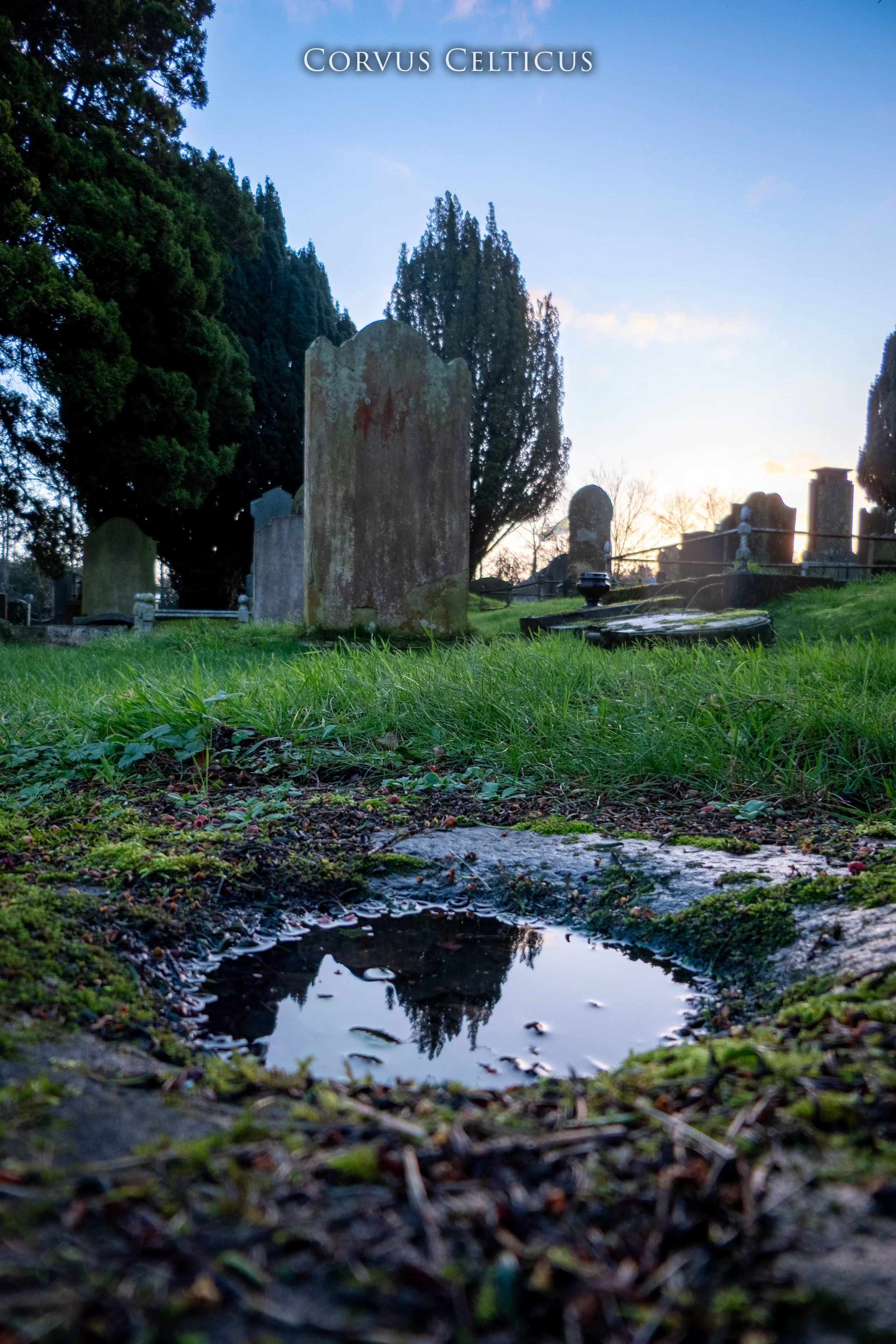
The Bullaun Stone
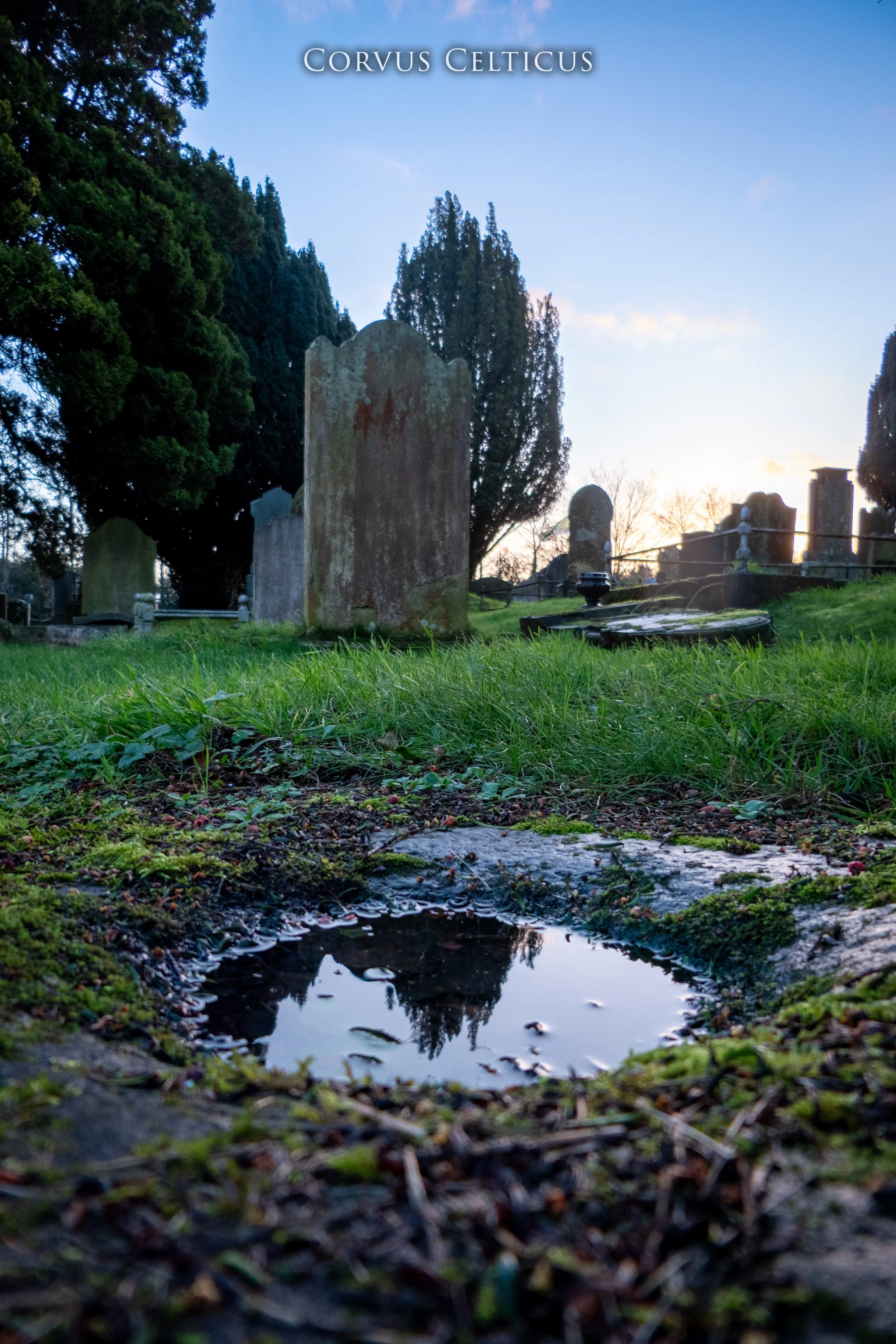
And then there is the bullaun stone, a much older curiosity altogether. Its distinctive hollowed basin belongs to a type of stone found at ancient and early Christian sites across Ireland, although their original purpose is still not fully understood. Some are thought to have been used for grinding or pounding, while others became closely associated with religious practice, healing traditions and local folklore.
Over time, the rainwater that gathered in these hollows was often believed to possess curative or protective qualities, particularly at sites linked with saints or early churches. In some places, smaller stones were turned within the hollow as part of prayers, blessings or even curses. As is often the case with these ancient features, practical use, belief and tradition seem to have become intertwined over the centuries.
What makes the bullaun at Mallusk so interesting is that it adds another layer to the history of the site. Long before the more familiar headstones and later burial traditions, stones like this were already part of the religious and cultural landscape of Ireland. Its exact story may be impossible to recover now, but that uncertainty is part of its appeal. It is a small, weathered object that hints at a much older world, and at beliefs that have long since faded from everyday life.